The fashion industry is one of the largest polluters in the world, contributing significantly to landfill waste, water pollution, and carbon emissions. However, as consumers, we have the power to change this trajectory. Sustainable fashion is not just a trend; it is a necessity for the health of our planet. Transitioning to an eco-friendly wardrobe doesn’t mean you have to sacrifice style or throw away everything you own. It’s about making mindful choices, prioritizing quality over quantity, and understanding the lifecycle of your garments. In this guide, we will explore practical tips to help you curate a stylish, sustainable closet that lasts for years.
Embrace the 30-Wear Rule
Before purchasing any new item, ask yourself: ‘Will I wear this at least 30 times?’ This simple question, popularized by Livia Firth, is the cornerstone of sustainable fashion. It forces you to move away from impulsive ‘fast fashion’ purchases that are often worn once or twice before being discarded. If the answer is no, leave it on the rack. By only buying pieces you truly love and intend to wear frequently, you naturally reduce waste and build a more cohesive personal style.
The Power of Second-Hand and Vintage Shopping
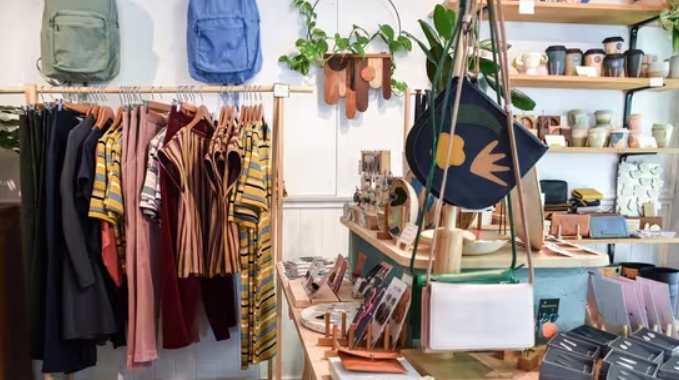
One of the most eco-friendly ways to shop is to not buy ‘new’ at all. Thrift stores, vintage boutiques, and online resale platforms like Depop or Poshmark are treasure troves for unique, high-quality items. Buying second-hand extends the life of a garment, preventing it from ending up in a landfill. It also reduces the demand for new production, which saves water and energy. Plus, vintage pieces are often made with superior craftsmanship compared to modern mass-market clothing.
Prioritize Natural and Organic Fabrics
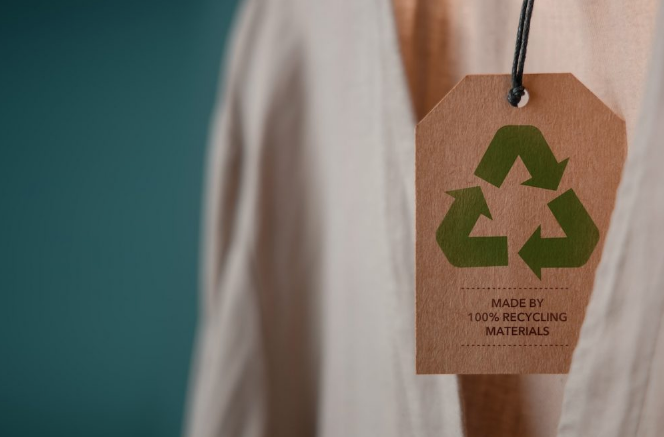
Not all fabrics are created equal. Synthetic materials like polyester, nylon, and acrylic are essentially plastics made from fossil fuels, and they release microplastics into our oceans every time they are washed. Instead, look for natural, biodegradable fibers such as organic cotton, linen, hemp, Tencel (Lyocell), and ethically sourced wool. These materials are more breathable, durable, and have a much lower environmental footprint during production.
Learn Basic Garment Care and Repair
Extending the life of your clothes by just nine months can reduce their carbon, water, and waste footprints by 20-30%. Learn basic skills like sewing on a button, fixing a fallen hem, or de-pilling a sweater. Additionally, pay attention to washing instructions. Washing clothes less frequently, using cold water, and air-drying instead of using a dryer can significantly preserve the integrity of the fibers and save energy.
Support Ethical and Transparent Brands
When you do buy new, vote with your wallet by supporting brands that are transparent about their supply chain. Look for certifications like Fair Trade, GOTS (Global Organic Textile Standard), or B-Corp. Ethical brands prioritize fair wages, safe working conditions, and environmentally friendly manufacturing processes. While these items may have a higher price tag, they reflect the ‘true cost’ of ethical labor and high-quality materials.
Host a Clothing Swap with Friends
Sustainable fashion can be social and free! A clothing swap is a fun way to refresh your wardrobe without spending a dime. Invite friends to bring items they no longer wear and trade them. It’s a circular economy in action. You get the thrill of ‘new’ clothes, and your old favorites find a second life in someone else’s closet, keeping them out of the waste stream.
Conclusion: Quality Over Quantity
A sustainable wardrobe isn’t built overnight. It’s a journey of unlearning fast-fashion habits and appreciating the stories behind our clothes. By focusing on longevity, ethical production, and mindful consumption, you can look great while protecting the environment. Remember, the most sustainable garment is the one already in your closet.