Best Packing Tips for Light Travelers: Master the Art of the Carry-On
We have all seen the traveler at the airport struggling with three oversized suitcases, looking stressed and exhausted. On the other hand, there is the light traveler: moving effortlessly with a single carry-on, skipping the check-in lines, and never worrying about lost luggage. Packing light is not just about saving money on baggage fees; it is about freedom. When you carry less, you have more energy to explore and less to manage. Mastering the art of light travel takes practice, but once you learn these strategies, you will never go back to heavy packing.
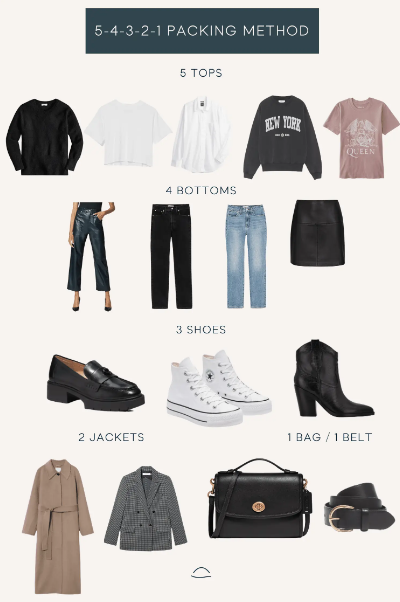
1. The 5-4-3-2-1 Rule
This is the holy grail of light packing. For a week-long trip, you should pack: 5 sets of socks and underwear, 4 tops, 3 bottoms (pants/skirts), 2 pairs of shoes, and 1 hat/accessory. This forced limitation ensures you have enough for variety without overpacking. Choose a color palette where everything matches everything else—usually neutrals with one accent color. This way, you can create dozens of different outfits from just a few pieces. If you’re traveling for longer than a week, plan to do laundry rather than packing more clothes.
2. Choose Fabrics Wisely
The material of your clothes determines how much space they take up and how often they need to be washed. Merino wool is the gold standard for travelers; it is lightweight, warm, and naturally odor-resistant, meaning you can wear it multiple times without a wash. Avoid heavy denim or thick cotton, which take up massive space and take forever to dry. Instead, look for synthetic blends or linen that are easy to pack and quick to air-dry in a hotel bathroom.
3. Use Packing Cubes to Organize
If you aren’t using packing cubes, you are missing out. These fabric containers allow you to compress your clothes and organize them by category. Instead of a messy pile of clothes, you have neat ‘drawers’ inside your bag. Not only does this save space, but it also makes it much easier to find things without unpacking your entire suitcase. Pro tip: Roll your clothes instead of folding them before placing them in the cubes to minimize wrinkles and maximize every square inch of space.
4. Wear Your Heaviest Items on the Plane
Your bulkiest items—like a heavy winter coat, your biggest boots, or a thick hoodie—should never go inside your bag. Wear them during your transit. Airplanes are usually cold anyway, so having your layers on you makes sense. This ‘hack’ can free up nearly 30% of the space in your carry-on. Once you land, you can stuff the jacket into a small tote bag or carry it over your arm.
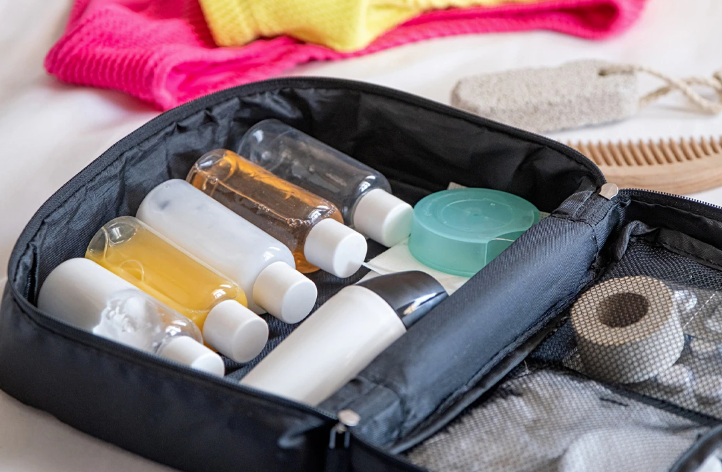
5. Downsize Your Toiletries
Toiletries are often the heaviest part of a suitcase. Most people pack full-sized bottles ‘just in case,’ but you rarely use that much. Invest in high-quality, reusable 100ml travel bottles. Even better, switch to solid versions of your favorites: solid shampoo bars, solid deodorant, and toothpaste tabs. These don’t count toward your liquid limit at security and they can’t leak all over your clothes. Remember, unless you are going to a remote jungle, you can always buy more soap or sunscreen at your destination.
6. Multi-Functional Everything
Every item in your bag should serve at least two purposes. A large scarf can be a blanket on the plane, a beach towel, or a headwrap for visiting religious sites. A pair of stylish sneakers can be used for a city hike and then paired with nice trousers for dinner. If an item only has one specific use, leave it at home. The ‘what if’ items are the ones that weigh you down the most.
7. Leave Room for Souvenirs
The biggest mistake light travelers make is filling their bag to the brim before they even leave. Always aim to have about 10-15% of your bag empty. You will inevitably pick up a souvenir, a new shirt, or even just some local snacks. If your bag is bursting on day one, you will be forced to buy another suitcase or leave things behind. Packing light is a mindset of ‘enough’ rather than ‘everything.’
Conclusion: Less Stuff, More Adventure
Light packing is a skill that improves with every trip. It requires you to be honest about what you actually need. When you shed the physical weight of your luggage, you also shed the mental weight of managing it. You become more mobile, more flexible, and more focused on the world around you rather than the bag behind you.