Travel is an incredible way to expand your perspective, but it also places you in unfamiliar environments where you are more vulnerable. Whether you are traveling to a major metropolis or a remote village, safety should always be a top priority. Being a safe traveler doesn’t mean being fearful; it means being prepared and aware. Most travel mishaps can be avoided with a little bit of common sense and some proactive measures. This guide covers the essential safety tips that every traveler, from the solo backpacker to the family vacationer, needs to know.
1. Research Common Scams Before You Arrive
Every city has its own set of ‘local scams.’ From the ‘broken taxi meter’ to the ‘free friendship bracelet,’ scammers often target tourists who look confused or uninformed. Before you land, spend 10 minutes on YouTube or travel blogs searching for ‘common scams in [your destination].’ Knowing what to look for makes you a much harder target. If you know that a specific area is known for pickpockets, you will be extra vigilant with your belongings. Knowledge is your first line of defense.
2. Don’t Look Like a Target
Criminals look for ‘easy marks’—people who are distracted, look lost, or are flaunting wealth. To stay safe, try to blend in with the locals as much as possible. Avoid wearing expensive jewelry or carrying large camera bags in crowded areas. If you need to check a map, step into a cafe or a shop rather than stopping in the middle of a busy sidewalk. Keep your head up, walk with purpose, and be aware of your surroundings. A confident posture can often deter potential troublemakers.
3. Keep Your Documents Digital and Secure
Losing your passport or credit cards is a nightmare. To mitigate this, have digital backups of everything. Take a photo of your passport, visa, travel insurance, and the back of your credit cards (where the emergency number is). Upload these to a secure cloud service like Google Drive or iCloud. Additionally, always leave one backup credit card and some emergency cash in a hidden spot in your luggage or the hotel safe. If your wallet is stolen, you won’t be completely stranded without funds or identification.
4. Use the Right Gear: Money Belts and Anti-Theft Bags
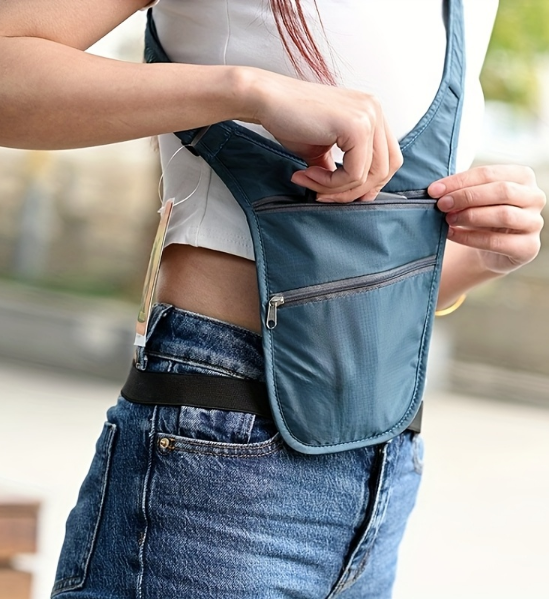
In high-traffic tourist areas, pickpocketing is common. Traditional backpacks are easy to open from behind without you noticing. Consider investing in an anti-theft bag with locking zippers and slash-proof material. Alternatively, use a slim money belt worn under your clothes for your most valuable items (passport and large bills). Never keep your phone or wallet in your back pocket. It only takes a second for a professional pickpocket to grab it in a crowded metro or market.
5. Be Careful with Public Wi-Fi
Cybersecurity is just as important as physical safety. Public Wi-Fi in airports and cafes is often unsecured, making it easy for hackers to steal your personal information or login credentials. Avoid accessing your banking app or sensitive accounts on public networks. If you must use public Wi-Fi, use a Virtual Private Network (VPN) to encrypt your data. Better yet, use a local eSIM or a roaming data plan to stay on a secure cellular network while you are out and about.
6. Trust Your Gut and Stay Sober
Your intuition is a powerful tool. If a situation, a person, or a street feels ‘off,’ leave immediately. Don’t worry about being rude; your safety is more important than social etiquette. Additionally, be mindful of your alcohol consumption. Being intoxicated in an unfamiliar city makes you extremely vulnerable. Always know how you are getting back to your hotel before you start drinking, and never leave your drink unattended. Staying alert is the best way to ensure you make it home safely.
7. Share Your Itinerary with Someone at Home
Always make sure at least one person back home knows where you are. Share your flight details, hotel addresses, and a rough itinerary. Check in with them every day or two. If something were to happen, someone would know exactly where to start looking for you. For solo travelers, apps like ‘Find My Friends’ or ‘Life360’ can allow a trusted family member to see your real-time location. It’s a simple step that provides a massive safety net.

Conclusion: Awareness is Key
The vast majority of people you meet while traveling are kind and helpful. However, being prepared for the small minority who aren’t ensures that your trip remains a positive memory. By following these safety protocols, you can relax and enjoy your adventure, knowing that you are protected. Stay aware, stay informed, and stay safe!