Pet Training Tips That Actually Work: Building Obedience and Trust
Training a pet is one of the most rewarding aspects of ownership, but it can also be one of the most frustrating. Whether you are working with a rambunctious puppy or a stubborn rescue dog, the key to success is not strength or dominance, but communication and consistency. Many owners give up on training because they don’t see immediate results, but training is a marathon, not a sprint. By understanding the psychology of how animals learn, you can turn a stressful chore into a bonding experience. Here are the most effective training tips that actually work for the long term.
1. The Power of Positive Reinforcement
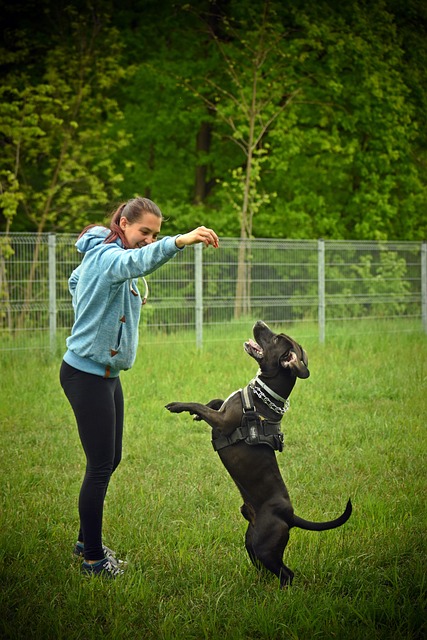
Gone are the days of ‘alpha’ dominance training. Modern science proves that positive reinforcement—rewarding the behaviors you want to see—is the fastest and most humane way to train. When your pet performs a command correctly, immediately offer a high-value treat, verbal praise, or a favorite toy. The timing is crucial; the reward must come within seconds of the action so the pet makes the mental connection. This creates a ‘win-win’ situation where the pet is motivated to listen because they know something good is coming.
2. Keep Sessions Short and Sweet
An animal’s attention span is much shorter than a human’s. Expecting a dog to focus for an hour is unrealistic and leads to frustration for both of you. Aim for 5 to 10-minute sessions, 2 or 3 times a day. Ending on a ‘high note’—with a successful command and a reward—leaves the pet excited for the next session. If you notice your pet getting distracted or bored, stop the training and try again later. Quality of focus is far more important than the duration of the session.
3. Consistency Across the Household
One of the biggest reasons training fails is mixed signals. If you don’t allow the dog on the sofa, but your partner does, the dog becomes confused and ignores both of you. Every person in the household must use the exact same verbal cues and hand signals. Sit means Sit—not ‘Sit down’ or ‘Stay there.’ Create a ‘command cheat sheet’ and stick it on the fridge so everyone is on the same page. Consistency is what builds the ‘language’ between you and your pet.
4. Master the ‘Recall’ (Coming When Called)
This is the most important command for your pet’s safety. To build a strong recall, never call your pet to you to do something they dislike (like a bath or clipping nails). If you do, they will associate ‘Come’ with something negative. Instead, use ‘Come’ only for positive things. In the beginning, practice in a low-distraction environment like your hallway. Reward them heavily every single time they return to you. Eventually, they will learn that returning to you is the best thing they can do, regardless of what is happening around them.
5. Don’t Ignore the Power of Body Language
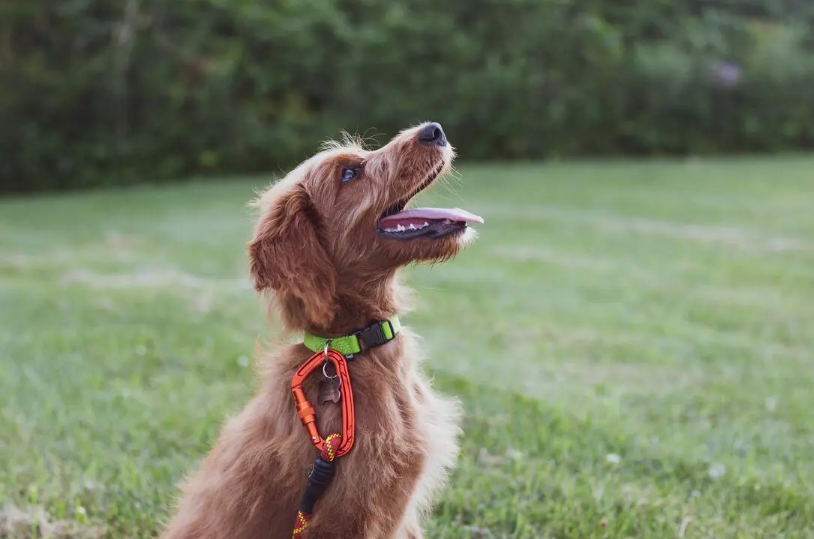
Animals are masters at reading human body language. Often, we are accidentally giving conflicting signals. For example, if you are leaning forward while telling a dog to ‘Stay,’ your forward energy is actually inviting them to move toward you. Stand tall, use clear hand signals, and remain calm. If you are frustrated or angry, your pet will sense it and become anxious, which shuts down their ability to learn. Training should always happen when you are in a calm, patient state of mind.
Conclusion: Patience is Your Greatest Tool
Every pet learns at a different pace. Some will pick up a trick in five minutes, while others take five weeks. The goal is progress, not perfection. By using positive reinforcement and staying consistent, you are not just teaching tricks; you are building a relationship based on trust and mutual respect. Stay patient, stay positive, and enjoy the journey of watching your pet grow.