How to Organize Your Home Without Feeling Overwhelmed: A Step-by-Step Guide
We’ve all been there: you look at a cluttered room, feel a wave of anxiety, and decide to ‘do it later.’ Organizing a whole home is a massive task, and the ‘overwhelm’ often leads to total paralysis. The mistake most people make is trying to do too much at once. You cannot organize five years of clutter in five hours. To be successful, you need a strategy that focuses on small wins and psychological momentum. Organizing isn’t just about moving things around; it’s about creating systems that prevent the clutter from coming back. Here is how to reclaim your home, one small step at a time.
1. The ’15-Minute Rule’ and the Power of Micro-Wins
Stop trying to ‘clean the whole house on Saturday.’ You will be exhausted and frustrated by noon. Instead, set a timer for just 15 minutes every day. Choose one tiny area—a single junk drawer, the medicine cabinet, or the shoe rack. When the timer goes off, you stop. This removes the ‘dread’ of a long cleaning session. These ‘micro-wins’ build confidence. Within two weeks of 15-minute sessions, you will have organized 14 small areas of your home, and you’ll find that the momentum naturally encourages you to do more.
2. Organize by ‘Category,’ Not by ‘Room’
This is a core principle of the KonMari method. If you organize room by room, you might find you have pens in the kitchen, pens in the office, and pens in the bedroom. You never truly know how much you have of one thing. Instead, gather all the items of one category (e.g., all your ‘books’ or all your ‘cleaning supplies’) and put them in one pile. This forces you to confront the sheer volume of what you own. It makes it much easier to see duplicates and decide what to keep. Once categorized, give that category a permanent ‘home’ in your house.
3. The ‘One-In, One-Out’ Rule
The biggest reason organization fails is that we continue to bring new items into the home without removing the old ones. To maintain your hard work, adopt the ‘One-In, One-Out’ rule. If you buy a new pair of shoes, an old pair must be donated or recycled. If you get a new coffee mug, an old one goes. This creates a natural ‘equilibrium’ in your home and forces you to be more intentional about your purchases. It turns organization from a ‘chore’ into a ‘lifestyle’ of mindful consumption.
4. Use ‘Clear’ Storage and Label Everything
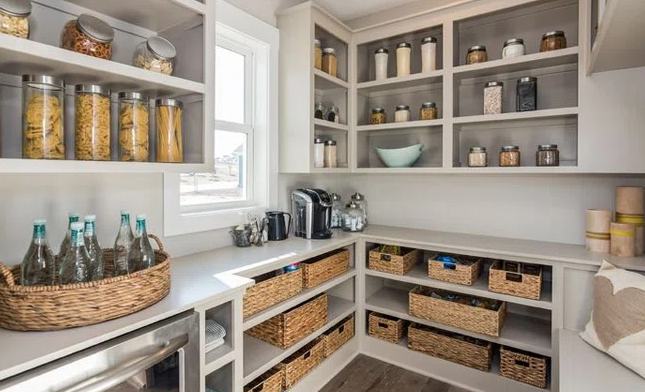
The ‘out of sight, out of mind’ rule is dangerous for organization. When we put things in dark, opaque bins, we often forget what’s inside, leading to us buying duplicates. Use clear plastic bins for your pantry, your closet, and your garage. When you can see your inventory, you are more likely to keep it tidy. Take it a step further by using a label maker. Labeling isn’t just for looks; it’s a ‘signal’ to your brain (and your family members) exactly where an item belongs. It eliminates the ‘where does this go?’ excuse that leads to clutter.
5. Forgive Yourself and Start with the ‘Easy’ Stuff
Don’t start with sentimental items like old photos or letters. These require too much emotional energy and will slow you down. Start with ‘easy’ categories like the pantry or the bathroom—places where items have clear expiration dates and less emotional weight. As you clear out the physical clutter, you’ll find that your mental fog starts to lift too. If you have a bad day and the house gets messy again, forgive yourself. Organization is a practice, not a destination. Just set the timer for 15 minutes tomorrow and start again.
Conclusion: Your Home Should Serve You
Your home should be a place where you can relax, not another item on your ‘to-do’ list. By breaking the process into small, manageable tasks and using smart rules like ‘One-In, One-Out,’ you can transform your environment without the stress. Remember, the goal isn’t to live in a museum; it’s to live in a space that supports your life and brings you peace. Start small, stay consistent, and enjoy your new, organized sanctuary.