Top 10 Walkable Cities in Europe for Budget Tourists: Exploring on Foot
There is a unique kind of magic that happens when you explore a city without the barrier of a taxi window or a crowded subway car. Walking allows you to catch the scent of a local bakery, hear the distant chime of a bell tower, and stumble upon hidden courtyards that Google Maps might never show you. In 2026, with travel costs rising, the ‘walkable city’ has become the ultimate hack for the budget-conscious adventurer. Europe is home to some of the most pedestrian-friendly urban layouts in the world, where the history is layered and the best sights are absolutely free. Here is a look at the cities where your feet are the only ticket you need.
The Timeless Cobblestones of Kraków, Poland
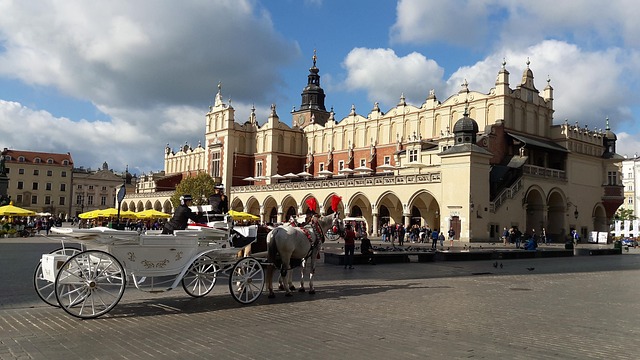
Kraków remains one of the most accessible and affordable gems in Eastern Europe. The entire Old Town is a pedestrianized zone, anchored by the massive Rynek Główny, one of the largest medieval squares in the world. You can easily spend an entire day walking from the Wawel Royal Castle down through the narrow, atmospheric streets of Kazimierz, the historic Jewish Quarter. The city is flat, easy to navigate, and filled with affordable ‘milk bars’ where you can refuel for just a few euros. It’s a place where the history is tangible, and every street corner feels like a living museum.
Prague’s Architectural Symphony on Foot
While Prague is famous for its stunning bridges and hilltop castle, its true beauty lies in the labyrinthine alleys of the Lesser Town (Malá Strana). Walking in Prague is a lesson in architectural history, moving from Gothic spires to Baroque palaces within a single block. While the Charles Bridge is a must-walk, try exploring the quieter parks like Letná for a bird’s-eye view of the Vltava River. The city is compact enough that you rarely need public transport, provided you have a sturdy pair of walking shoes to handle the historic (and often uneven) cobblestones. It’s a fairy-tale experience that costs nothing but your time.
The Steep and Sunny Allure of Lisbon
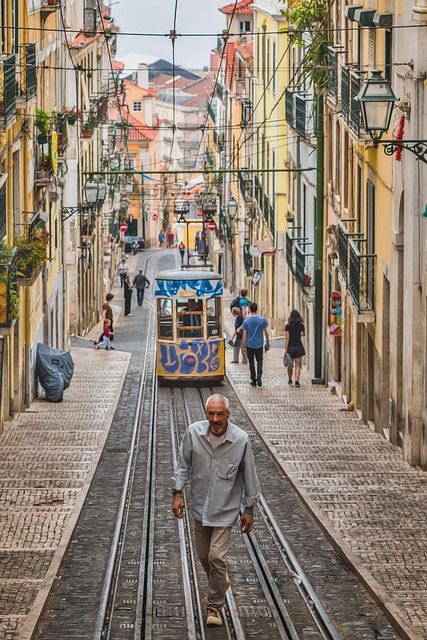
Lisbon is a city that demands a bit more effort from your calves, but the rewards are unparalleled. The Alfama district, with its narrow, winding paths and sudden views of the Atlantic, is best explored by getting intentionally lost. While the iconic yellow trams are charming, walking allows you to stop at tiny ‘tascas’ for a quick espresso or a pastel de nata. The city’s famous ‘miradouros’ (viewpoints) are scattered throughout the hills, providing free, breathtaking vistas that rival any paid observation deck. Lisbon is a city of light and texture, and walking is the only way to truly feel its pulse.
Sarajevo: Where East Meets West in a Single Stride
For those looking for something truly unique, Sarajevo offers a walkable experience like no other. In the span of just a few hundred meters, you can walk from the Ottoman-style Baščaršija bazaar, with its coppersmiths and spice stalls, into the grand Austro-Hungarian center. The city is nestled in a valley, making the central areas very flat and easy to traverse. Walking along the Miljacka River provides a somber but beautiful reflection on the city’s resilient history. It is one of the most affordable capitals in Europe, where the coffee is strong, the people are welcoming, and every street tells a story of survival and beauty.
Conclusion: The Best Way to See the World
Walking is the ultimate form of slow travel. It forces you to engage with your surroundings, to interact with locals, and to notice the small details that make a city unique. By choosing walkable destinations, you not only save money on transport but also gain a deeper, more intimate connection with the places you visit. So, pack your most comfortable sneakers, leave the transit pass behind, and let the streets of Europe lead you on your next great adventure. Which of these historic paths will you choose to walk first?