Space-Saving Furniture: Innovative Living for 2026 Tiny Homes
As our cities become denser and our living spaces more compact, the way we perceive ‘square footage’ has changed. In 2026, a 400-square-foot apartment is no longer a limitation; it is an opportunity for high-performance design. The ‘Tiny Home’ movement has matured from a niche lifestyle into a mainstream urban reality, and with it, space-saving furniture has evolved from clunky fold-outs into elegant, high-tech marvels. The goal of modern furniture for small spaces is to eliminate the ‘compromise.’ You shouldn’t have to choose between a dining table and a sofa; in 2026, your furniture should effortlessly provide both. It is about creating a home that is fluid, adapting to your needs as the day progresses.
The Rise of ‘Transformer’ Furniture and Multi-Modality
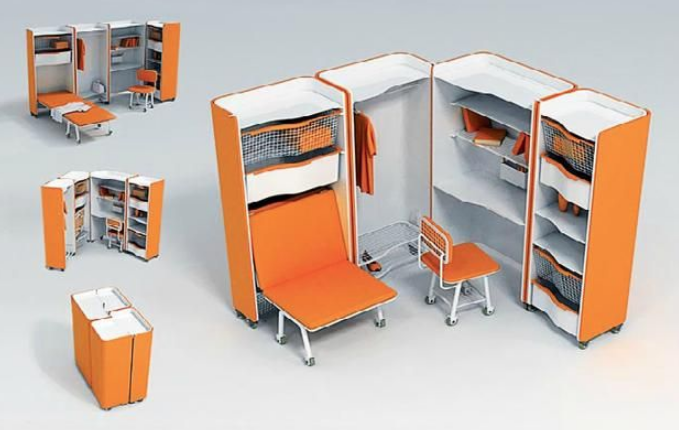
The hallmark of 2026 space-saving design is multi-modality. We are seeing a surge in ‘Transformer’ pieces that use precision engineering to change their function entirely. For instance, brands like Ori Living are leading the way with robotic, voice-controlled furniture systems. With a simple command, your bed can retract into the ceiling to reveal a full-sized office desk, or a shelving unit can slide across the room to create a private bedroom ‘nook’ in an open-concept studio. These pieces use every cubic inch of space, not just the floor area. By utilizing verticality and movement, a single room can serve as a bedroom, a gym, and a workspace, all without feeling cluttered or cramped.
The Kitchen Revolution: Modular and Hidden Units
The kitchen is traditionally the biggest ‘space hog’ in any home. In 2026, tiny home enthusiasts are opting for ‘Hidden Kitchens.’ These units feature integrated appliances and induction cooktops that are concealed behind sleek, sliding panels when not in use. This allows the kitchen area to blend into the living room aesthetic, maintaining a clean visual line. Furthermore, we are seeing the rise of ‘Island-to-Dining’ tables—units that function as a kitchen prep station during the day but can be expanded and lowered to seat six people for a dinner party. This flexibility is essential for urban dwellers who still want to host friends but don’t have the luxury of a dedicated dining room.
Smart Storage: Using the ‘Dead Zones’
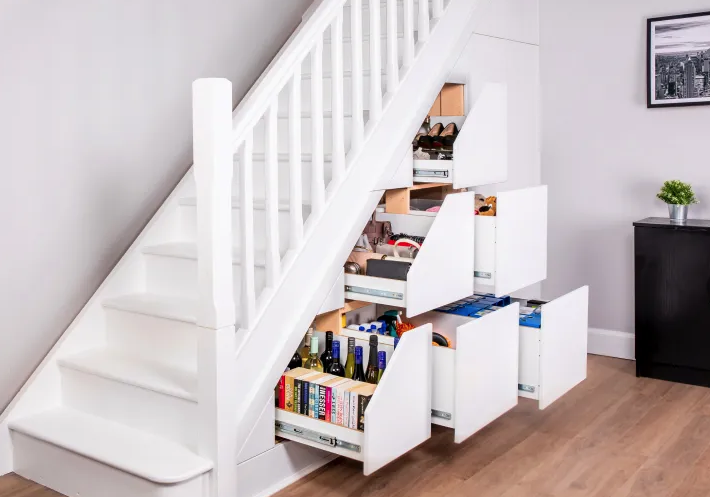
In a small home, the most valuable real estate is often the ‘dead zone’—the space under the bed, the area above the door, or the corner behind the sofa. 2026 furniture design focuses on reclaiming these areas. Storage beds have evolved from simple drawers into high-lift hydraulic systems that allow you to access the entire area under the mattress effortlessly. We also see ‘staircase storage,’ where every step of a loft-bed ladder functions as a deep drawer. By integrating storage into the very architecture of the furniture, you eliminate the need for bulky wardrobes and chests of drawers, freeing up the floor for more light and movement. It is a philosophy of ‘stealth organization’ that keeps your home feeling airy and open.
Conclusion: Living Big in a Small Footprint
Space-saving furniture is about more than just fitting things into a small room; it is about reclaiming your lifestyle. When your furniture is as flexible as you are, your home becomes a place of empowerment rather than a source of stress. In 2026, the most luxurious homes aren’t necessarily the largest; they are the ones that are the most thoughtfully designed. By investing in multi-modal pieces and utilizing every inch of vertical and hidden space, you can enjoy all the comforts of a large home within a fraction of the footprint. The future of living is small, smart, and incredibly stylish. Which area of your home could benefit from a ‘transformation’ today?