Why you probably killed your last plant
I’ve heard it a thousand times: ‘I have a black thumb. I even killed a cactus.’ Here is the ‘insider’ secret that plant shops won’t tell you: most people don’t kill plants by neglecting them. They kill them by ‘loving’ them too much. In 2026, we’ve finally realized that the key to a green home isn’t constant attention—it’s picking the right plant and then leaving it alone.
If you’re a beginner, you don’t need a watering schedule. You need a plant that evolved to survive a drought in a dark cave. Here are the true low-maintenance MVPs and how to actually keep them alive.
The Snake Plant: The ‘Immortality’ King
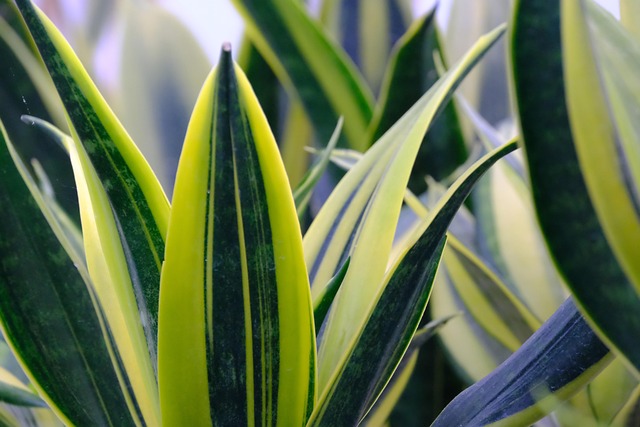
The Snake Plant (Sansevieria) is practically a piece of furniture that happens to breathe. It’s the ultimate beginner plant because it’s a ‘CAM’ plant—it stores its energy and only breathes at night. It can live in a dark corner of your bedroom or in bright sunlight. It doesn’t care.
The unspoken rule of Snake Plants? **Ignore them.** I water mine once a month. Maybe once every six weeks in the winter. The only way to kill this plant is to water it every week. If the soil is wet, leave it. If you’re not sure if it needs water, wait another week. It will thank you by not rotting into a mushy mess.
The ZZ Plant: The ‘Office’ Favorite
The ZZ plant (Zamioculcas zamiifolia) looks like it’s made of wax. It has these beautiful, shiny green leaves that stay perfect even in windowless offices. The secret to its survival is the ‘rhizome’—large potato-like bulbs under the soil that store water for months.
This is the plant for the person who travels for three weeks at a time. In 2026, ‘Bio-minimalism’ is a big trend, and the ZZ plant fits perfectly. It grows slowly, it doesn’t drop leaves, and it doesn’t need fertilizer more than once a year. Just keep it out of direct, scorching sun, or those beautiful waxy leaves will burn.
Pothos: The ‘Vining’ Confidence Booster
If you want a plant that actually ‘shows’ growth, get a Pothos (Devil’s Ivy). It grows long, trailing vines that you can wrap around mirrors or let hang from bookshelves. It’s a confidence booster because it grows fast.
The ‘beginner trick’ with Pothos is the ‘Droop Test.’ You don’t need a moisture meter. The Pothos will literally tell you when it’s thirsty—the leaves will lose their shine and start to droop slightly. The moment you give it water, it ‘pops’ back up within a few hours. It’s the most communicative plant you’ll ever own. It’s perfect for learning how to ‘read’ a plant’s needs.
The ‘Lighting’ Lie
Every plant tag says ‘Bright, indirect light.’ What does that even mean? In 2026, we use ‘Light Apps’ on our phones to measure Lux or Foot-candles, but as a beginner, you just need to know this: if you can’t comfortably read a book in that spot during the afternoon, it’s ‘Low Light.’ Most ‘low maintenance’ plants are sold as low light, but they all *prefer* more light. If your plant isn’t growing, move it closer to a window. Just don’t let the sun hit the leaves directly for more than an hour, or they’ll cook.
The ‘Finger Test’ (Stop using apps)
There are a million apps in 2026 that tell you when to water. Ignore them. They don’t know the humidity in your house or how much drainage your pot has. Use your finger. Stick it two inches into the soil. If it feels even slightly damp, **do not water.** If it feels like dry dust, water it thoroughly until water comes out the bottom of the pot. Then, wait.
The biggest mistake beginners make is ‘Sip Watering’—giving a plant a tiny bit of water every few days. This never reaches the deep roots and leads to salt buildup. Drench it, then let it dry out completely. That’s how nature does it.
Summary: Choose your fighter
If you want a vertical look: **Snake Plant.**
If you want a sleek, modern look: **ZZ Plant.**
If you want a jungle look: **Pothos.**
Start with one. Master the ‘Finger Test.’ Once you realize that plants are resilient living things and not fragile glass sculptures, you’ll stop being a ‘plant killer’ and start being a ‘plant parent.’ It’s the most relaxing hobby you’ll ever have—as long as you keep the watering can in the closet.