The Oversized Blazer: From ‘Workwear’ to ‘Life-wear’
In 2026, the oversized blazer has officially shed its reputation as just a ‘corporate’ garment. It’s no longer about looking like you borrowed your dad’s suit for a job interview; it’s about a calculated play on proportions. We’ve moved into an era where silhouettes are fluid, and the ‘structured-yet-sloppy’ look is the ultimate fashion flex.
But let’s be real: there is a very fine line between looking ‘editorial’ and looking like you’re being swallowed by a fabric monster. The secret to styling an oversized blazer in 2026 lies in the balance of textures, the ‘Golden Ratio’ of proportions, and the intentionality of your accessories.
1. The ‘Golden Ratio’ Rule (1:2 Proportion)
The biggest mistake people make is wearing ‘oversized’ on top and ‘oversized’ on the bottom without a plan. While the ‘baggy-on-baggy’ look is a specific sub-genre of streetwear, for a classic, high-end look, you need the 1:2 ratio.
If your blazer is massive, your base layer should be sleek. Think a ribbed bodysuit, a micro-crop top, or a slim-fit turtleneck. This creates a ‘frame’ for your body inside the jacket. In 2026, we’re seeing a lot of ‘tech-silk’ bodysuits that provide a slight sheen under a matte wool blazer. It’s that contrast between the sharp, heavy outer shell and the soft, body-con interior that makes the outfit work.
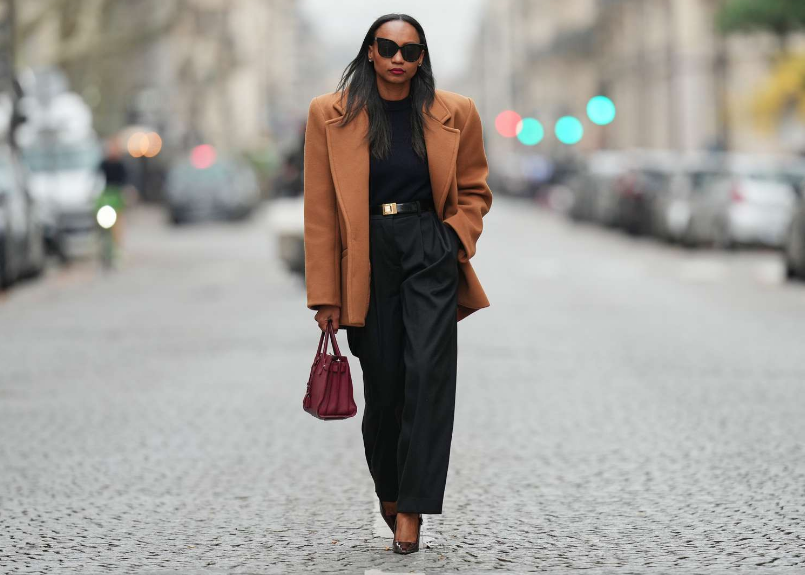
2. The ‘Smart-Cuff’ and Sleeve Architecture
Don’t just let the sleeves hang. In 2026, we’ve moved past the simple ‘scrunch.’ The pro tip is to use ‘Sleeve Garters’ or even a hidden hair tie to pull the sleeves up to the mid-forearm. This exposes the thinnest part of your arm—the wrist—which prevents the jacket from looking too heavy.
If you’re wearing a blazer with a loud lining, a ‘double-cuff’ (folding the sleeve back twice) adds a pop of color or pattern that breaks up the solid block of the jacket. It’s these small, architectural tweaks that tell the world you chose this size on purpose.
3. Belting: The 2026 Update
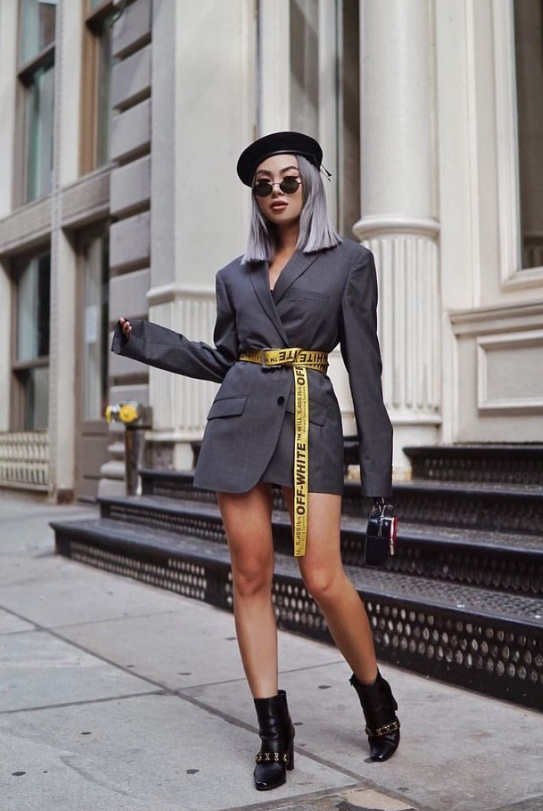
In previous years, we used thin leather belts. In 2026, we are using ‘Utility Belts’ or wide, sculptural ‘Corset Belts’ *over* the blazer. This turns the blazer into a dress or a structured peplum top.
The ‘insider’ trick here? Don’t belt it right at your natural waist. Belt it slightly higher—about an inch above the navel. This elongates the legs and keeps the ‘oversized’ spirit while giving you a clear shape. If you’re using a utility belt, let the straps hang slightly for that ‘Urban Techwear’ vibe that is dominating 2026 street style.
4. Footwear: The Weight Balance
You cannot wear delicate, thin-soled flats with a heavy oversized blazer; you’ll look top-heavy. You need a shoe with some ‘visual weight.’
In 2026, the pairing of choice is either a ‘Chunky Loafer’ with a visible white sock or a ‘Pointed-Toe Knee-High Boot.’ The pointed toe balances out the squareness of the blazer’s shoulders, creating a ‘V’ shape that is incredibly flattering. For a casual look, a ‘Platform Tech-Runner’ sneaker provides the necessary bulk to balance out the wide hem of the jacket.
5. Thrifting vs. Buying New
The most sustainable (and stylish) way to get this look in 2026 is the ‘Menswear Flip.’ Go to a vintage shop and look for 100% wool blazers in the men’s section. Look for brands like Armani or Hugo Boss from the 90s. The quality of the canvassing in those old jackets is far superior to modern fast-fashion versions.
The only thing you should check? The shoulders. If the shoulder pads are too stiff, they can be easily removed by a tailor. A vintage blazer with a modern, slim-fit pant is the 2026 ‘Quiet Luxury’ uniform. It’s about looking like you have taste, history, and a really good tailor.