The ‘Pollinator Corridor’ Movement of 2026
Our gardens are no longer just for our own enjoyment; in 2026, they are vital links in a ‘Pollinator Corridor.’ With the loss of natural habitats, your backyard (or even your balcony) is a life-saving ‘fueling station’ for butterflies and bees. But creating a butterfly garden is about more than just planting pretty flowers. It’s about understanding the complex life cycle of these insects and providing for them at every stage—from egg to adult.
The 2026 approach to butterfly gardening is **’Ecological Synergy.’** We aren’t just planting; we are ‘rewilding’ small pockets of the earth. Here is how to turn your outdoor space into a sanctuary.
1. The ‘Two-Tier’ Planting Strategy
Most beginners only plant **Nectar Plants** (the flowers that adult butterflies eat). But if you want a garden full of butterflies, you must also plant **Host Plants** (the plants where they lay their eggs and where caterpillars eat).
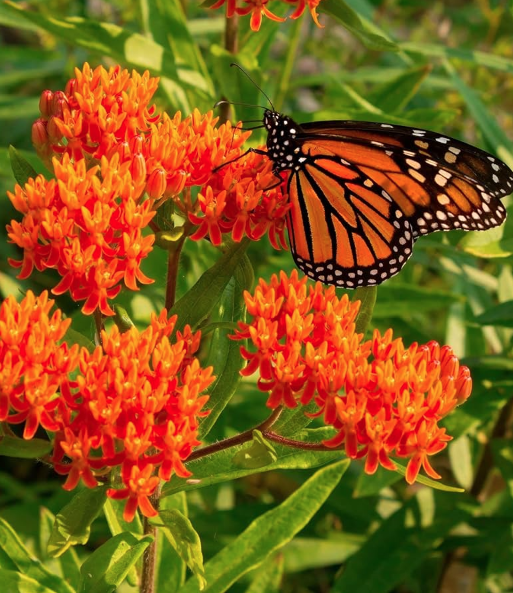
For example, in 2026, we’ve realized that the ‘Monarch’ butterfly cannot survive without **Milkweed**. If you don’t have Milkweed, you won’t have Monarchs. Similarly, Black Swallowtails need members of the carrot family (dill, parsley, fennel). The ‘insider’ tip is to plant these host plants in a slightly hidden area, as caterpillars will eat the leaves and make the plants look ‘tattered.’ This is the ‘Beauty-to-Function’ trade-off that every 2026 gardener accepts.
2. Sun, Wind, and Micro-Climates
Butterflies are ‘ectothermic’—they rely on external heat to fly. In 2026, we design gardens with **’Basking Zones.’** These are flat, dark-colored stones placed in the sunniest part of the garden. The stones absorb heat, and you’ll often see butterflies sitting on them with their wings open to ‘recharge’ their flight muscles.
You also need to provide **Windbreaks.** Butterflies are delicate and hate fighting strong gusts. Plant your tallest flowers (like Zinnias and Buddleia) in a semi-circle to create a ‘sheltered cove’ of calm air. This makes your garden a much more attractive destination than the windy open field next door.
3. The ‘Mud Puddling’ Station
This is the most overlooked part of butterfly gardening. Male butterflies often gather around damp soil or puddles to sip water and extract essential minerals and salts—a behavior called ‘puddling.’
In 2026, we create **Permanent Puddling Stations.** Take a shallow ceramic dish, fill it with sand, and add a little bit of compost or sea salt. Keep the sand damp but not flooded. Place it near your basking stones. This ‘mineral bar’ will attract groups of butterflies that wouldn’t otherwise visit just for the nectar. It’s the secret to getting those ‘National Geographic’ style photos in your own backyard.
4. The ‘No-Cleanup’ Winter Rule
The biggest mistake in traditional gardening was the ‘Fall Cleanup.’ In 2026, we know better. Many butterfly species spend the winter as chrysalises or eggs hidden in the leaf litter or attached to dead flower stalks.
If you ‘tidy up’ your garden in October, you are literally throwing away next year’s butterflies. The 2026 rule is: **’Leave the Leaves.’** Wait until late spring, when you’ve seen the first few insects emerge, before you start cutting back old growth. A ‘messy’ garden in winter is a life-sustaining garden.
5. Night-Blooming Flowers for the ‘Hidden’ Pollinators
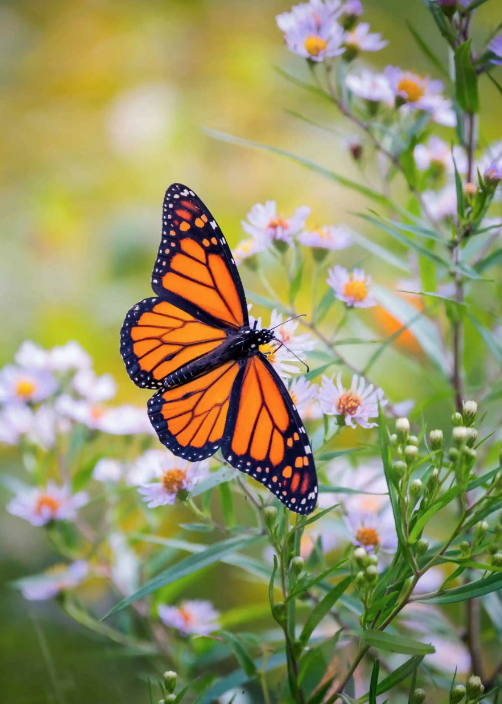
Sustainability in 2026 includes the ‘Dark Sky’ movement. We also want to support **Moths**, which are just as important (and often more efficient) pollinators as butterflies. By planting night-blooming jasmine, evening primrose, or moonflowers, you provide a food source for the nocturnal side of the ecosystem. Plus, these flowers often have incredible scents that will make your garden a sensory delight during your evening ‘wind-down’ time.
Summary: Growing a Legacy
A butterfly garden is a slow-motion miracle. It takes a few seasons to establish, but once the corridor is open, the rewards are endless. In 2026, a truly ‘rich’ person is someone whose garden is alive with the sound of wings. It’s an act of hope and a contribution to a greener, more vibrant future. Plant a seed today; save a species tomorrow.