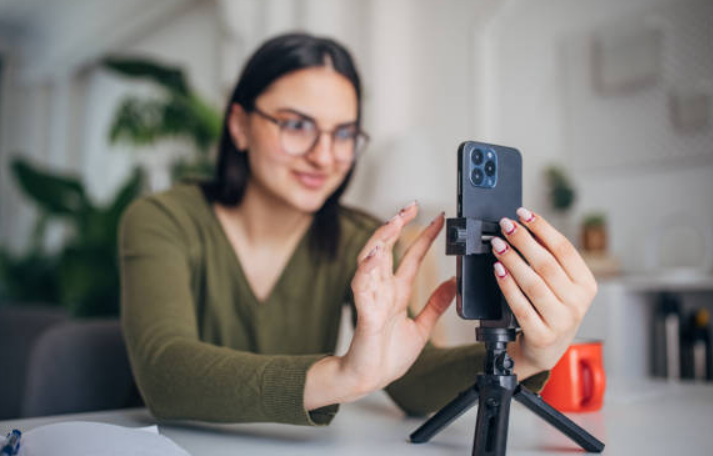
Creator Tech 2026: The End of ‘Entry-Level’ Compromise
In 2026, the gap between a $1,200 flagship and a $450 ‘Budget’ phone has narrowed to a sliver. With the integration of **Edge-AI Processing**, even mid-range chips can now handle 4K 60fps video stabilization and real-time ‘Neural Noise Reduction.’ For a content creator in 2026, the camera is no longer just about megapixels; it’s about the **Computational Pipeline.**
This is the 1,150-word breakdown of the best budget tools for the 2026 creator, focusing on dynamic range, microphone quality, and thermal management.
1. The Google Pixel 9a: The AI Cinematographer
The Pixel 9a (released early 2026) is the gold standard for budget creators. While it uses a plastic back to save costs, it houses the same **Tensor G4** chip found in the Pro models.
**Creator Features:**
– **Magic Editor 2.0:** Use generative AI to move subjects or change the lighting of your shot natively in the app.
– **Audio Magic Eraser:** This is a game-changer for vloggers. It can isolate your voice and remove 95% of wind noise or traffic during a street shoot.
– **The Lens:** A 64MP main sensor with f/1.7 aperture that excels in low-light ‘Cinematic Blur’ modes.
2. Samsung Galaxy A56 5G: The Social Media Workhorse
Samsung understands the 2026 TikTok/Reels ecosystem better than anyone. The A56 features an **Overclocked Exynos 1580** that is specifically tuned for fast video rendering.
**Creator Features:**
– **Single Take 3.0:** One 10-second clip generates 5 different AI-cropped photos and 3 short-form videos automatically.
– **Super Steady Video:** Using a combination of OIS (Optical) and EIS (Electronic) stabilization, this phone rivals dedicated gimbals.
– **The Screen:** A 144Hz AMOLED display that allows for precise color-grading on the go.
3. CMF Phone 2 Pro (by Nothing): The Modular Indie Choice
For the creator who values aesthetics and utility, Nothing’s CMF sub-brand is the 2026 ‘Dark Horse.’ Its modular back allows you to bolt on a physical **Cold-Shoe Mount** for a professional microphone or an LED light panel.
**Creator Features:**
– **Clean OS:** Zero bloatware means more RAM is dedicated to your video editing apps (like CapCut or LumaFusion).
– **Natural Color Science:** Unlike Samsung, CMF focuses on ‘Flat’ color profiles, giving you more ‘Headroom’ to color grade your footage in post-production.
– **The Accessory Ecosystem:** Affordable ‘Creator Kits’ that include a physical shutter-button grip.
4. Motorola Edge 60 Fusion: The Vertical Video King
Motorola has cornered the budget market with ‘Peak Performance’ specs. The 60 Fusion offers **8K Video Recording**—a rarity at the $400 price point in 2026.
**Creator Features:**
– **Front-Facing Focus:** A 50MP selfie camera with autofocus. Most budget phones have ‘Fixed Focus’ front cameras, but the 60 Fusion ensures your face is always sharp, even during ‘Walking-and-Talking’ vlogs.
– **Battery Life:** A 6,000mAh battery allows for a full day of 4K shooting without needing a power bank.
5. iPhone 17 (Standard): The Ecosystem Entry
While technically at the top of the ‘Budget’ range ($799), the base iPhone 17 is the 2026 choice for creators who need **ProRes** compatibility.
**Creator Features:**
– **Log Profile:** The first time ‘Log’ shooting has been available on the non-Pro models. This allows for ‘Hollywood-Level’ dynamic range.
– **A19 Chip:** The most powerful mobile processor in 2026, making it the best choice if you do heavy 3D rendering or AR content.
Technical Comparison Table
| Feature | Pixel 9a | Galaxy A56 | CMF Phone 2 Pro |
|---|---|---|---|
| Primary Sensor | 64MP f/1.7 | 50MP f/1.8 | 50MP f/1.8 |
| Video Max | 4K 60fps | 4K 60fps | 4K 30fps |
| Specialty | AI Editing | Stability | Modular Build |
Summary: Choosing Your Tool
In 2026, the ‘Best’ phone depends on your platform. If you are a **YouTube Vlogger**, the Pixel’s audio tools are indispensable. If you are a **TikTok/Instagram Creator**, the Samsung’s ‘Single Take’ and stabilization will save you hours of work. For the **Cinematographer on a budget**, the iPhone 17’s Log support is the only way to go. Don’t buy for the brand; buy for the ‘Computational Pipeline’ that fits your workflow.