Bedroom Decor Ideas for a Relaxing Space: Create Your Ultimate Sanctuary
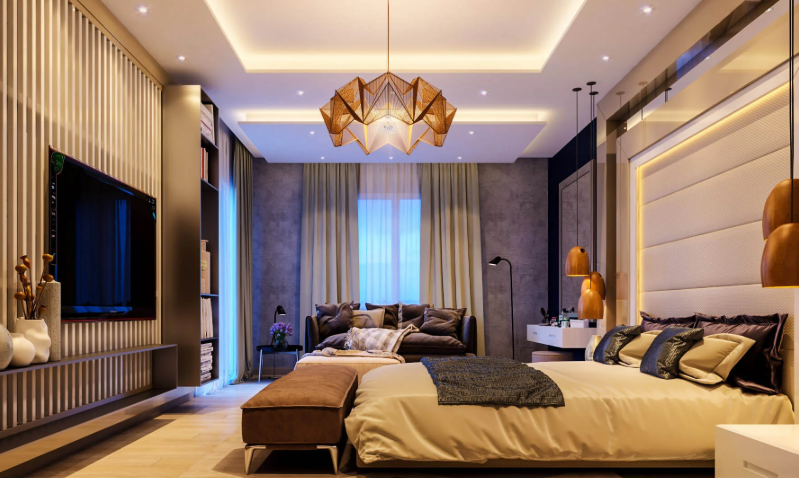
Your bedroom should be more than just a place to sleep; it should be a sanctuary where you can escape the stresses of the day. In our busy, digital world, having a space dedicated to rest and recovery is essential for mental health. Designing a relaxing bedroom isn’t about following the latest trends; it’s about sensory appeal—choosing colors, textures, and layouts that soothe the mind. By focusing on comfort and tranquility, you can turn your bedroom into a ‘five-star hotel’ experience every night. Here are the best decor ideas to help you build a peaceful retreat.
1. Choose a Soothing Color Palette
Color has a profound impact on our mood. To create a relaxing environment, move away from high-energy colors like bright red or yellow. Instead, opt for ‘nature-inspired’ tones: soft sage green, misty blue, warm beige, or lavender. These shades lower the heart rate and promote a sense of calm. If you prefer white walls, ensure you choose a ‘warm’ white rather than a cold, clinical one. The goal is to create a soft visual ‘landing’ for your eyes when you walk into the room.
2. Invest in Layered Bedding for Ultimate Comfort
The bed is the centerpiece of the room, and its comfort should be your top priority. Layering is the secret to a cozy, expensive-looking bed. Start with high-quality cotton or linen sheets, add a plush duvet, and finish with a textured throw blanket at the foot of the bed. Use a mix of pillows—standard pillows for sleeping and ‘euro shams’ for leaning against while reading. Natural fibers are more breathable and feel better against the skin, which significantly improves sleep quality.
3. Master the Art of Soft Lighting
Bright overhead lighting is the enemy of relaxation. To prepare your brain for sleep, you need ‘low-level’ lighting. Use bedside lamps with warm-toned bulbs rather than cold white light. If you have the space, add a floor lamp in a corner or even string lights for a soft, ethereal glow. Dimmable switches are also a great investment. The goal is to mimic the setting sun, signaling to your body that it is time to wind down and rest.
4. Remove Technology and Clutter
A cluttered room leads to a cluttered mind. To make your bedroom truly relaxing, it must be a ‘low-stimulus’ zone. This means removing piles of laundry, stacks of work papers, and, most importantly, screens. If possible, keep the TV out of the bedroom and put your phone in a drawer at night. Replace the digital noise with ‘analog’ comforts: a stack of books, a candle, or a journal. When your eyes don’t have clutter to focus on, your brain can finally turn off.
5. Bring Nature Indoors
Plants are natural stress-reducers. They improve air quality and add a soft, organic element to your decor. For the bedroom, choose low-maintenance plants that thrive in low light, such as Snake Plants, Peace Lilies, or Aloe Vera. The color green is naturally restorative to the human eye. If you don’t have a green thumb, even a simple vase of dried eucalyptus or lavender can provide a calming scent and a touch of nature’s beauty.
Conclusion: Prioritize Your Peace
Your bedroom is the most personal space in your home. It should reflect what makes you feel safe and rested. By focusing on soft colors, comfortable textures, and a clutter-free environment, you are prioritizing your well-being. Sleep is the foundation of health, and a beautiful, relaxing bedroom is the first step toward achieving it. Sweet dreams!