The concept of a ‘Smart Home’ used to be reserved for the wealthy or tech enthusiasts. Today, smart technology is affordable, easy to install, and incredibly useful for the average household. A smart home isn’t just about showing off cool gadgets; it’s about convenience, energy efficiency, and security. Imagine your lights automatically dimming when you start a movie, or your thermostat adjusting itself to save money while you’re at work. For a beginner, the world of ‘IoT’ (Internet of Things) can seem overwhelming. This guide will walk you through the basics of building a smart home, starting with the most impactful and easy-to-use devices.
1. Choose Your ‘Ecosystem’ First
Before you buy any devices, you need to choose a ‘brain’ for your smart home. The three main ecosystems are Amazon Alexa, Google Home, and Apple HomeKit. If you use an iPhone, HomeKit is a natural choice. If you use Android, Google Home is excellent. Alexa is widely considered the most compatible with third-party devices. Picking one ecosystem ensures that all your gadgets can ‘talk’ to each other and be controlled from a single app or voice command. Once you pick a side, look for the ‘Works with…’ label on any product you buy.

2. Start with Smart Lighting
Lighting is the easiest and most satisfying entry point into smart home tech. You can start by simply replacing your existing bulbs with smart bulbs like Philips Hue or TP-Link Kasa. These allow you to change the brightness, color, and schedule of your lights from your phone. You can create ‘scenes’—for example, a ‘Good Morning’ scene that slowly brightens the lights to wake you up naturally. Smart lighting is not only fun but also a great security feature, as you can make it look like someone is home even when you are on vacation.
3. Improve Security with Smart Cameras and Doorbells
Smart security is one of the top reasons people upgrade their homes. A smart video doorbell (like Ring or Nest) allows you to see and speak to whoever is at your door, even if you are miles away. This is a massive deterrent for ‘porch pirates’ and provides peace of mind. You can add interior or exterior smart cameras that send an alert to your phone if they detect movement. Most modern systems are wireless and can be installed in minutes with a few screws, making them accessible even for those who aren’t handy with tools.
4. Save Money with a Smart Thermostat
A smart thermostat is one of the few tech purchases that eventually pays for itself. Devices like the Ecobee or Google Nest ‘learn’ your schedule and adjust the temperature accordingly. They can sense when you have left the house and switch to an eco-mode to save energy. Over a year, these small adjustments can save you 10-15% on your heating and cooling bills. They also allow you to pre-heat or cool your home from your phone on your way back from work, ensuring you always walk into a comfortable environment.
5. The Convenience of Smart Plugs
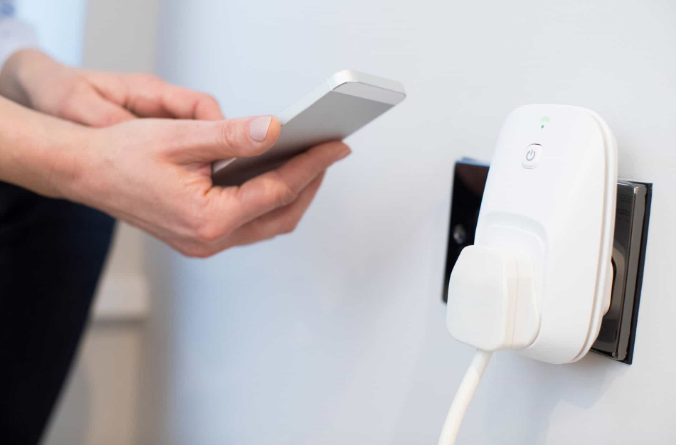
If you aren’t ready to replace your appliances, smart plugs are the perfect middle ground. You plug them into a standard outlet and then plug your ‘dumb’ device (like a coffee maker, a fan, or a lamp) into the smart plug. Now, you can turn that device on or off via your phone or voice assistant. You can set a timer for your coffee machine to start brewing at 7 AM or ensure your hair straightener is turned off after you’ve already left for work. They are the most versatile and cheapest smart devices you can buy.
6. Don’t Forget Your Wi-Fi Network
A smart home is only as good as the Wi-Fi that powers it. As you add more devices, your standard router might struggle to keep up. If you experience lagging or devices ‘dropping off’ the network, consider upgrading to a ‘Mesh Wi-Fi’ system (like Eero or Google Nest Wi-Fi). These systems use multiple nodes to create a strong, seamless signal throughout your entire home. A stable connection is the foundation of a frustration-free smart home experience.
Conclusion: Start Small and Grow
You don’t need to automate your entire house in one weekend. The best approach is to start with one problem you want to solve—perhaps it’s high energy bills or wanting a more secure front door. Once you see the benefits, you can slowly add more devices. Smart technology should make your life easier, not more complicated. Embrace the convenience and enjoy the process of turning your house into a truly modern home.