I’m going to lose some friends in the plant community for saying this, but it has to be said: your Pothos is not cleaning your air. Not really.
We’ve all seen the infographics. ‘NASA says this plant removes 90% of toxins!’ That study from 1989 was done in a tiny, hermetically sealed plastic box. Your bedroom is not a sealed plastic box. It has drafts, doors, and a lot of volume. To actually filter the VOCs (volatile organic compounds) in a standard bedroom, you’d need about 15 plants per square foot. You wouldn’t have a bed; you’d have a forest.
But wait—don’t throw your plants out yet. They *are* doing something for your sleep, just not what you think.
It’s about the Humidity, not the Hepa
The real reason plants make you sleep better is ‘Transpiration.’ Plants are biological humidifiers. In 2026, with our super-insulated homes and dry HVAC systems, our sinuses are constantly under attack. This is why you wake up with a scratchy throat.
Plants like the **Boston Fern** or the **Areca Palm** are incredible at pumping moisture back into the air. If you group them together near your bed, you create a ‘micro-climate’ of humidity. It’s much quieter than a machine and it doesn’t get that weird slime buildup that electric humidifiers do. This is the ‘insider’ trick: grouping. A single plant does nothing. A ‘clump’ of five plants creates a humidity bubble that actually works.
The Nighttime Oxygen Myth
Another thing: the idea that plants are ‘robbing you of oxygen’ at night. People actually worry about this! Yes, most plants switch from CO2-absorption to CO2-release at night. But the amount they release is so small it’s statistically irrelevant. You’d get more CO2 from a cat sleeping in the room than from a dozen plants.
However, if you want to be optimal, look for **CAM plants** (Crassulacean Acid Metabolism). These are the weirdos of the plant world. They actually open their pores at night to take in CO2. **Snake Plants (Sansevieria)** and **Orchids** are the most famous. Having a couple of large Snake Plants on your nightstand is the closest thing to a ‘biological oxygen bar’ you can get.
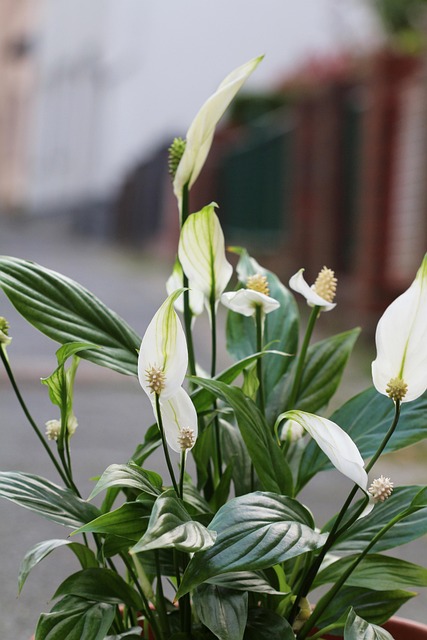
The Psychological ‘Green’ Effect
In 2026, we’ve finally started taking ‘Biophilia’ seriously. Just looking at the fractal patterns of a leaf lowers your cortisol levels. It’s hardwired into our DNA. We spent thousands of years sleeping in the wild; our brains feel ‘safe’ when surrounded by healthy greenery. It tells our nervous system that there is water and life nearby. No danger.
I’ve found that the best bedroom plants aren’t just ‘functional’—they have to be quiet. Don’t buy a plant with leaves that ‘rustle’ too much if you’re a light sleeper. Avoid anything with a strong scent like Lilies; they can trigger headaches in a closed room.
My ‘Pro’ Bedroom Lineup
If I were starting a bedroom jungle from scratch today with a focus on sleep quality, here is my list:
1. **The ‘Anchor’:** A massive Snake Plant. It’s indestructible and works the night shift for oxygen.
2. **The ‘Humidifier’:** A grouping of three Boston Ferns in a corner. Keep them moist, and they’ll keep your nose happy.
3. **The ‘Visual Calm’:** A Golden Pothos trailing from a high shelf. It creates that ‘canopy’ feel that reduces anxiety.
The unspoken rule of plant care
Here is the truth: A dying, dusty plant is a health hazard. Dust on leaves blocks their ability to do anything and acts as a reservoir for allergens. If you aren’t going to wipe the leaves once a month, don’t bother. And for the love of god, don’t overwater. Mold in the soil is the #1 cause of ‘mystery’ bedroom allergies. Use a terra cotta pot; it lets the soil breathe. Your lungs will thank you.