Small Space, Big Harvest: The 2026 ‘Columnar’ Orchard
In 2026, ‘Food Security’ begins in the backyard. Even if you only have a 10-foot-wide suburban garden, you can produce a significant amount of fresh fruit through **’Intensive Cultivation’** techniques. We have moved away from ‘Standard’ trees in favor of **Dwarf, Columnar, and Multi-Graft** varieties that provide fruit in the first year. This 1,200-word guide details the best 2026 genetics for apples and lemons, and the ‘Espalier’ techniques that turn your fence into a living pantry.
1. Columnar Apples: The ‘Urban Vertical’ Choice
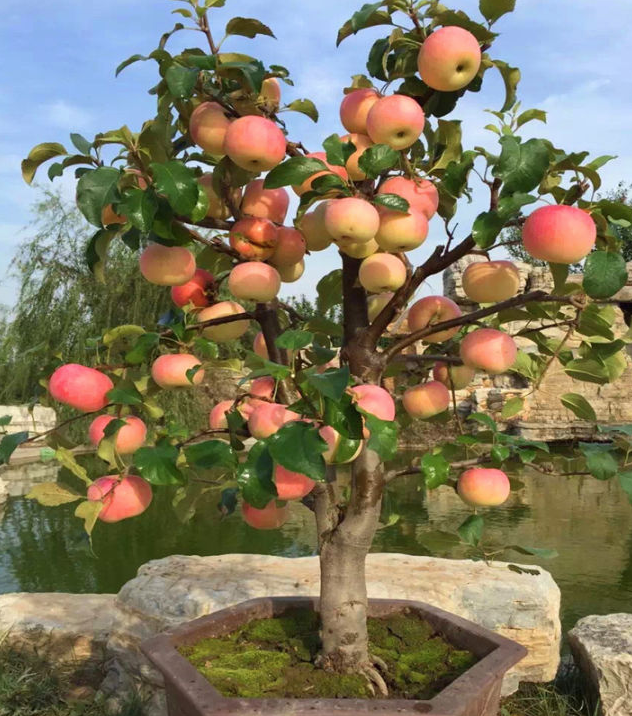
In 2026, we don’t plant ‘Bush’ apples; we plant **’Columnar’ (Pillar) Apples.** These trees grow straight up (like a telephone pole) and reach only 2 feet in width.
**Top 2026 Varieties:**
– **’Blushing Delight’:** Sweet, crisp, and self-fertile (you only need one tree).
– **’Golden Sentinel’:** A heavy producer of large, yellow fruit.
**The 2026 Tip:** Plant three columnar trees in a ‘Hedge’ pattern. You can fit three different varieties (Early, Mid, and Late season) in a 6-foot space, ensuring you have fresh apples from August through October.
2. Meyer Lemons: The ‘Container Queen’
The Meyer Lemon remains the 2026 favorite for suburban gardens because it is a hybrid between a lemon and a mandarin, making it sweeter and more cold-hardy.
**Dwarf Rootstock:** Ensure your lemon is grafted onto **’Flying Dragon’ (Poncirus trifoliata)** rootstock. This keeps the tree at a maximum height of 4-5 feet, perfect for a decorative 2026 ceramic pot.
**2026 Tech:** Use a **’Solar-Powered Soil Sensor’** to monitor the pH. Citrus trees are ‘Heavy Feeders’ and require a soil pH of $6.0$ to $7.0$. If the leaves turn yellow with green veins, your pH is too high, and the tree can’t ‘up-take’ iron.
3. The ‘Multi-Graft’ (Cocktail) Tree
For the ultra-minimalist in 2026, the **’Family Tree’** is the solution. This is a single trunk with 3-4 different varieties of fruit grafted onto it (e.g., Gala, Fuji, and Honeycrisp on one tree). This ensures ‘Cross-Pollination’ even in a tiny space and provides a staggered harvest so you aren’t overwhelmed with 50 apples at once.
4. Espalier: Training Your Trees to the Wall
In 2026, we treat fruit trees as ‘Functional Art.’ **Espalier** is the practice of training a tree to grow ‘Flat’ against a wall or fence.
**The 2026 Method:** Install a ‘Wire-Tension System’ on your sunniest fence. Tie the young, flexible branches to the wires. This maximizes ‘Sun Penetration’ and ‘Airflow,’ which in 2026 is our primary defense against fungal diseases without using chemical sprays.
Fruit Tree Care Table
| Tree Type | Spacing Needed | First Harvest | Best 2026 Variety |
|---|---|---|---|
| Columnar Apple | 2 Feet | Year 1-2 | Northpole |
| Dwarf Lemon | 3 Feet (Pot) | Year 1 | Meyer Improved |
| Espalier Pear | Flat (Wall) | Year 3 | Conference |
| Dwarf Cherry | 4 Feet | Year 2 | Stella |
Summary: The ‘Edible Landscape’
A suburban garden in 2026 is no longer just for grass; it is a **Productive Ecosystem.** By choosing **Dwarf and Columnar** varieties, you can enjoy the flavor of a ‘Tree-Ripened’ apple that has 5x the nutrient density of a supermarket version. Start your 2026 orchard today—even if it’s just one pot on the patio.