The 2026 Garden: Growing in Harmony
In 2026, the ‘Modern Victory Garden’ has moved beyond the simple row-crop methodology. As we face shifting climate patterns and a global desire for chemical-free produce, **Companion Planting** has emerged as the most efficient way to maximize yield in small spaces. This isn’t just ‘Old Wives’ Tales’; in 2026, it’s backed by **Soil Microbiome Data.**
We now understand that plants communicate through ‘Mycorrhizal Networks’—underground fungal highways. Some plants share nutrients, while others act as ‘Sentinels’ to warn their neighbors of pest attacks. This guide breaks down the 2026 ‘Power Pairings’ for a thriving, organic ecosystem.
1. The ‘Three Sisters’ (The 2026 Update)
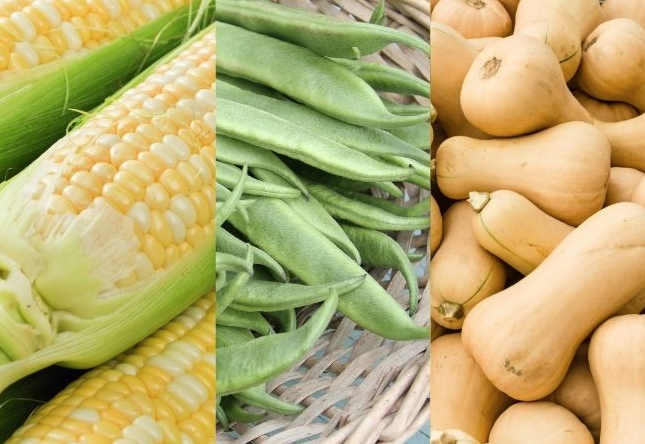
The ‘Three Sisters’—**Corn, Beans, and Squash**—is the ultimate example of indigenous wisdom meeting 2026 sustainability goals.
– **The Corn:** Acts as a ‘Living Trellis,’ reaching for the sun.
– **The Pole Beans:** Climb the corn and, more importantly, ‘fix’ nitrogen from the air into the soil, feeding the corn (which is a heavy feeder).
– **The Squash:** Sprawls across the soil, its large leaves acting as a ‘Living Mulch.’ In 2026, we value this for **Moisture Retention** as summer temperatures rise. It also discourages weeds and keeps the roots of the corn cool. In 2026, we suggest adding a ‘Fourth Sister’: **Sunflowers**, planted on the north side to act as a trap crop for aphids.
2. The ‘Scent-Shield’: Carrots, Leeks, and Onions
Pest management in 2026 is about **Olfactory Confusion.** The ‘Carrot Fly’ finds its target through scent. By interplanting **Carrots with Leeks or Onions**, you create a ‘wall of smell’ that masks the carrot’s aroma.
Conversely, the ‘Onion Fly’ is deterred by the smell of carrots. This is a 100% organic way to eliminate the need for pesticides. For 2026, we also recommend borders of **French Marigolds** (Tagetes patula). These plants produce ‘alpha-terthienyl,’ a chemical that is toxic to root-knot nematodes in the soil. It’s like installing a subterranean security system for your root vegetables.
3. The ‘Nutrient Loop’: Brassicas and Clover
In 2026, we are obsessed with ‘No-Till’ gardening. Instead of leaving the soil bare between your Cabbages, Kale, and Broccoli (the Brassica family), we use **White Clover** as a ‘Living Groundcover.’
Clover is a legume that continuously adds nitrogen to the soil while suppressing weeds. It also attracts beneficial predators like **Hoverflies and Lacewings**, which eat the aphids that typically plague kale. This ‘Multi-Story’ planting strategy ensures that every inch of your garden is either producing food or improving the soil for the next season.
4. The ‘Flavor Enhancers’: Tomatoes and Basil
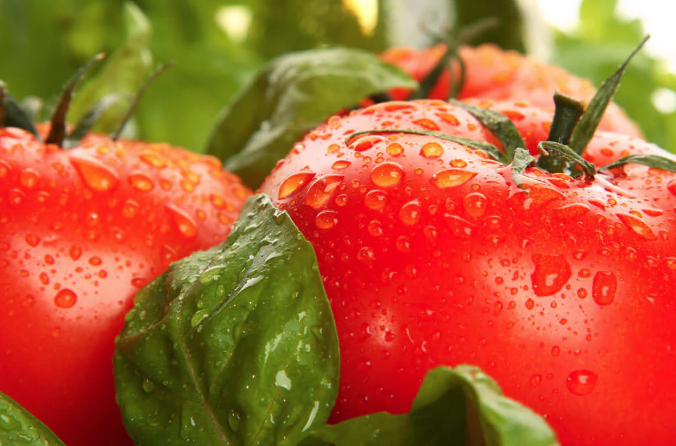
This is a classic that 2026 science has finally explained. Planting **Basil next to Tomatoes** doesn’t just repel whiteflies and mosquitoes; it actually improves the **Lycopene content** (the red pigment and antioxidant) of the tomato.
The basil’s shallow root system doesn’t compete with the tomato’s deep taproot. Furthermore, the basil benefits from the ‘dappled shade’ provided by the tomato’s large vines during the heat of a 2026 July. It’s a symbiotic relationship that ends in the perfect Caprese salad. For an extra boost, add **Borage** nearby—it’s a ‘Bee Magnet’ that ensures every tomato flower gets pollinated.
Summary: Thinking Like an Ecosystem
Successful organic gardening in 2026 is about working with nature, not against it. By grouping plants that support each other’s needs—nutritional, physical, and defensive—you create a resilient garden that requires less water, less fertilizer, and zero chemicals. Start small, observe the relationships, and let your garden become a self-sustaining masterpiece of biodiversity.