Cybersecurity for Bloggers: Protecting Your Digital Home
For a blogger, your website is more than just a collection of articles; it is your brand, your business, and often your most valuable asset. Unfortunately, in 2026, the threats to that asset have become more sophisticated. Hackers no longer just target major corporations; they use automated AI bots to scan millions of small blogs for vulnerabilities every single hour. A single breach can lead to lost data, stolen personal information, and a ruined reputation with your readers. Cybersecurity can feel like a daunting, technical world, but you don’t need to be a coder to protect yourself. By implementing a few foundational ‘digital hygiene’ practices, you can turn your blog into a fortress and focus on what you do best: creating content.
The End of the Password Era: Embracing Passkeys and MFA
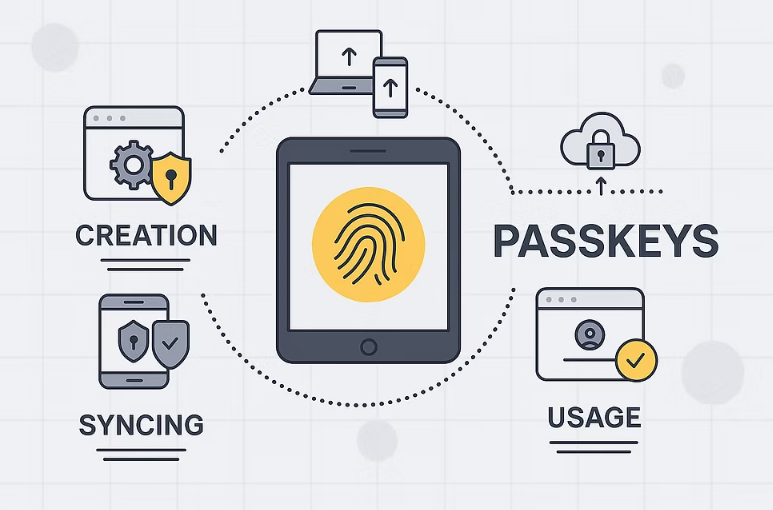
The traditional password is a relic of a less dangerous time. In today’s world, even a complex password can be ‘brute-forced’ by AI in minutes. The first and most important step in securing your blog is to enable Multi-Factor Authentication (MFA) on every account associated with it—your CMS, your hosting provider, and your email. Even better, 2026 has seen the widespread adoption of ‘Passkeys.’ These use biometrics (like your fingerprint or face scan) on your phone to log you in, making it virtually impossible for a hacker to ‘guess’ your credentials. If you haven’t switched to a password manager that supports passkeys yet, that should be your first task of the day.
Keeping the Foundation Strong with Updates
Think of your blog’s plugins, themes, and core software as the ‘locks’ on your doors. When a developer releases an update, it’s often because they found a hole in that lock that a hacker could pick. If you don’t update, you’re leaving your door wide open. Many bloggers fear that an update might ‘break’ their site, so they procrastinate. However, the risk of a hack is far higher than the risk of a minor formatting glitch. Set your site to auto-update for minor security patches, and make it a weekly habit to manually check for major updates. A secure site is a current site, and ‘set it and forget it’ is no longer a viable security strategy.
Vetting Your Third-Party Integrations
Every plugin you add to your blog is a potential back door for an attacker. It is tempting to install a new tool for every small feature, but ‘plugin bloat’ is a major security risk. Before installing any third-party software, check the developer’s reputation: when was it last updated? How many people are using it? Are the reviews positive? In 2026, it is better to have a slightly simpler site with five high-quality, frequently-updated plugins than a ‘fancy’ site with twenty obscure ones. Periodically audit your site and delete any plugins or themes that you are no longer using. Less code means fewer places for a hacker to hide.
The Essential Safety Net: Regular Backups
If the worst-case scenario happens and your site is compromised, your backup is your ‘undo’ button. Never rely solely on your hosting provider’s backups; they can fail or be corrupted as well. Use a dedicated security plugin or a service that stores encrypted backups in a completely separate location, like a different cloud provider. Ideally, you should have ‘real-time’ backups that save a copy of your site every time you post or receive a comment. Knowing that you can restore your entire site to its pre-hack state in a matter of minutes removes the ‘existential dread’ that often comes with running a digital business. It is the ultimate peace-of-mind insurance policy.

Conclusion: Vigilance Without Paranoia
Cybersecurity isn’t about being afraid; it’s about being prepared. Just as you wouldn’t leave your physical house unlocked, you shouldn’t leave your digital home vulnerable. By prioritizing passkeys, staying updated, and keeping reliable backups, you are taking control of your blog’s future. The digital landscape will always have its predators, but by being a ‘hard target,’ you ensure they move on to someone else. Your readers trust you with their time and attention—protecting the platform where you meet them is the highest form of respect you can show. Are you confident that your current backup system is working as it should?