The Hidden Toxicity in the Toy Box
Most pet owners don’t realize that the ‘cheap’ plastic squeaky toy they bought for $3 is often loaded with phthalates, BPA, and lead. Your dog or cat isn’t just playing with that toy—they are chewing it, licking it, and ingesting micro-particles. In 2026, ‘Pet-Parenting’ has taken a sharp turn toward health-conscious sustainability.
We are finally treating our pets’ environments with the same scrutiny we give our own. Eco-friendly pet toys aren’t just about ‘saving the planet’; they are about preventing long-term chemical exposure for our furry companions. Here is the 2026 guide to building a non-toxic, sustainable toy collection.
1. The Rise of ‘Mushroom Leather’ and Hemp
In 2026, traditional cowhide chews are being replaced by **Mycelium (Mushroom) Leather** and **Industrial Hemp**. Hemp is a miracle fiber for dogs. It’s naturally anti-microbial, mold-resistant, and incredibly tough. Unlike cotton ropes, which can fray and cause intestinal blockages if swallowed, hemp fibers are much safer and break down more easily.
Mushroom leather toys provide that ‘chewy’ resistance that dogs love, but without the environmental impact of the cattle industry or the bleach used in rawhide. Plus, these materials are 100% compostable. When the toy is finally shredded, you can toss it in your garden instead of a landfill.
2. Recycled Ocean Plastic: The ‘Tough’ Choice
For high-energy dogs that need a ball that bounces, ‘natural’ fibers don’t always cut it. This is where **Ocean-Bound Plastic** comes in. Brands like **SeaFetch** are now harvesting discarded fishing nets and plastic bottles from the Pacific and turning them into ‘Ultra-Durable’ chew toys.
These toys are reinforced with bio-based resins, making them virtually indestructible. In 2026, the ‘flex’ isn’t how expensive the toy was, but how many pounds of ocean waste it reclaimed. Look for the ‘Global Recycled Standard’ (GRS) tag on the packaging to ensure it’s the real deal.
3. Interactive ‘Smart’ Eco-Toys
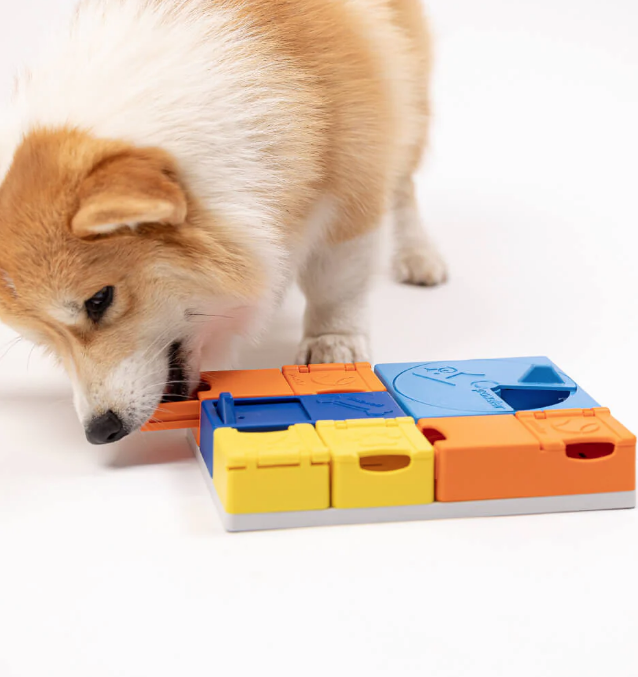
Sustainability in 2026 also means longevity. A toy that a pet gets bored of in ten minutes is a waste of resources. We are seeing a surge in **Modular Puzzle Toys** made from sustainable bamboo and recycled wood pulp.
These puzzles allow you to change the ‘difficulty level’ so your pet stays engaged for months. Some even feature integrated low-energy Bluetooth sensors that track your pet’s ‘cognitive engagement’ via an app. By keeping the pet mentally stimulated, you reduce ‘destructive chewing’ of your furniture—saving you even more resources in the long run.
4. Accessories: Cork Collars and Algae Leashes
It’s not just about toys. In 2026, the ‘Sustainable Dog Park’ look involves **Cork Collars**. Cork is harvested by stripping the bark of a tree without killing it, and it’s naturally waterproof and odor-resistant. If your dog loves to swim, a cork collar won’t get that ‘wet dog’ smell that nylon or leather does.
Leashes are also getting a makeover with **Algae-Blended Foam**. This material is soft on the hands, incredibly strong, and helps clear harmful algae blooms from waterways during its production. It feels like neoprene but is 100% bio-based.
Summary: Quality Over Quantity
The 2026 pet owner mantra is: ‘One great toy is better than ten bad ones.’ Invest in high-quality, non-toxic materials. Your pet will be healthier, your house will smell better, and the planet will thank you. Stop buying the ‘mystery plastic’ and start looking for the materials of the future.