The Overtourism Exhaustion
Let’s be honest: Paris is a zoo. Venice is sinking under the weight of selfie sticks. Santorini is more of a photoshoot than a vacation. By 2026, the ‘seasoned’ traveler has moved on. We are looking for the places that still feel like secrets—the places where you can hear the locals talking instead of the roar of a cruise ship engine.
I’ve spent the last few months digging into the corners of Europe that the ‘Top 10’ lists usually ignore. Here is where you actually want to go this year.
The ‘Albanian Riviera’: But Not the Part You Think
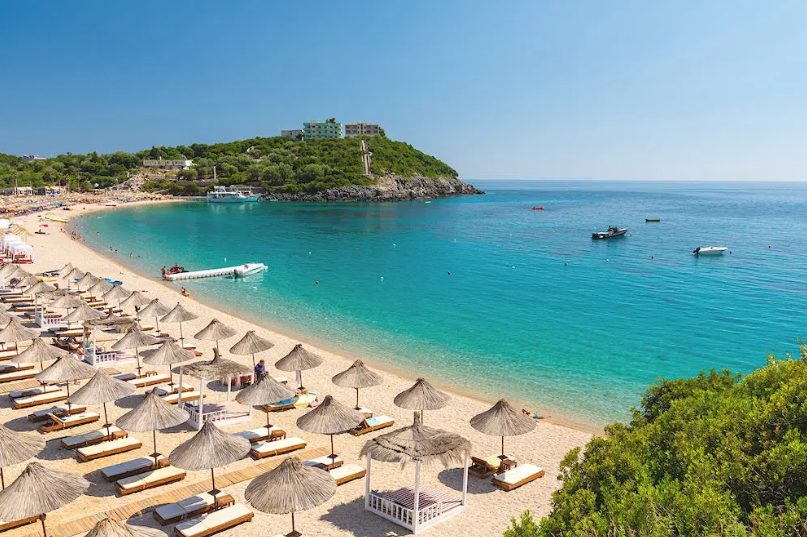
Everyone is talking about Ksamil now, which means it’s already getting crowded. Instead, head north to **Dhërmi** and **Gjipe**.
Gjipe Beach is only accessible by boat or a 30-minute hike down a canyon. Because of this ‘barrier to entry,’ it stays pristine. There are no massive hotels here, just a small eco-camp and some of the clearest water in the Mediterranean. It feels like Greece did 40 years ago. The food? Freshly caught octopus grilled over charcoal for about $8. That is the 2026 dream.
The Tatra Mountains: The ‘Slovakian Switzerland’
Why pay $500 a night in Zermatt when you can go to the High Tatras in Slovakia? It’s a jagged, dramatic mountain range that looks like something out of a fantasy novel.
The town of **Starý Smokovec** is a perfect base. In 2026, the hiking trails are world-class, but the prices are still incredibly grounded. The ‘insider’ tip? Hike up to one of the ‘Chatas’ (mountain huts). These aren’t just shacks; they serve hot soup and cold beer to hikers at 2,000 meters. There’s no cable car to some of them, so the supplies are carried up on the backs of ‘Sherpas.’ It’s a level of rugged authenticity you just don’t find in the Alps anymore.
Astypalaia: The Butterfly of the Aegean
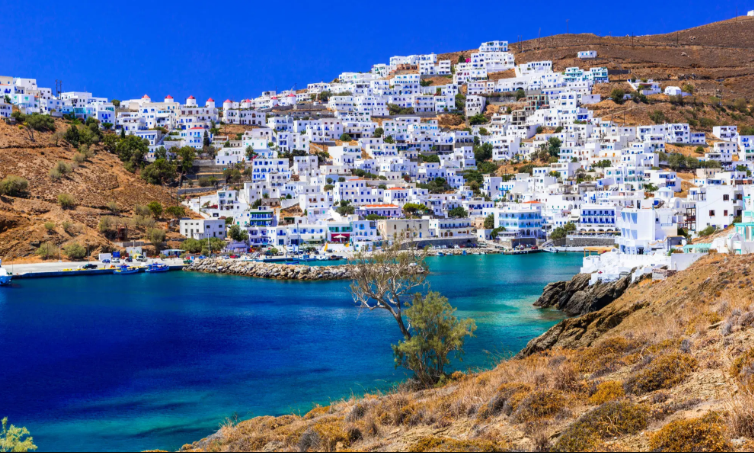
While everyone fights for a sunset spot in Oia, you should be on Astypalaia. This Greek island is shaped like a butterfly, and it’s currently the most forward-thinking island in the world.
In 2026, it has gone almost entirely green—electric car sharing, renewable energy, and a ‘plastic-free’ initiative. But it’s not just about the eco-tech. The ‘Chora’ (the main town) is a white-washed labyrinth topped by a Venetian castle. It’s silent. It’s beautiful. And because it’s a bit harder to get to (take the slow ferry from Piraeus), the ‘party crowd’ stays away. It’s a place for long lunches and even longer swims.
Plovdiv, Bulgaria: The Oldest Living City in Europe
Forget Rome for a second. Plovdiv has been inhabited for 8,000 years. It’s a city built on seven hills, and it’s a masterpiece of Roman ruins mixed with ‘Bulgarian Revival’ architecture.
The ‘Kapana’ district is the heart of the creative scene. It’s a pedestrian-only zone filled with craft beer bars, tiny art galleries, and some of the best coffee in the Balkans. The ‘unspoken rule’ of Plovdiv is to never rush. The locals have a word for it—’Aylyak.’ It means the art of doing everything slowly and with no stress. In 2026, we all need a bit more Aylyak in our lives.
The Azores: Portugal’s Atlantic Garden
Technically Europe, but floating in the middle of the Atlantic. **São Miguel** is a volcanic paradise of crater lakes and thermal springs.
Most people stay in the capital, Ponta Delgada, but the real magic is in **Furnas**. You can eat stew that has been buried in the volcanic ground to cook for 7 hours using natural geothermal heat. It’s wild, it’s lush, and because the weather is ‘unpredictable’ (expect four seasons in one day), it keeps the ‘beach-only’ tourists away. If you love green, mist-covered mountains and hot springs, this is your 2026 sanctuary.
Final Advice: Travel ‘Deep,’ Not ‘Wide’
The mistake people make is trying to see five countries in ten days. You end up seeing nothing but train stations. Pick one of these gems and stay for a week. Learn three words in the local language. Eat the thing on the menu you don’t recognize. The best travel stories don’t happen at the Eiffel Tower; they happen in a small tavern in a village you can’t pronounce.