The 2026 ‘Quiet Luxury’ Paradox
In 2026, the fashion world has reached a tipping point. We are witnessing the death of the ‘Logomania’ era and the rise of **’Subconscious Wealth.’** This aesthetic isn’t about showing off a brand; it’s about the *perception* of quality through fit, fabric, and color theory. The challenge? Authentic ‘Quiet Luxury’ pieces from houses like Loro Piana or The Row now retail for the price of a small car.
However, the 2026 ‘Style Arbitrage’ allows us to achieve that high-end look without the high-end price tag. It requires a move away from ‘Fast Fashion’ and toward **’Strategic Curation.’** Here is the 1,000-word blueprint for looking like a million dollars on a three-figure budget.
1. The ‘Fabric-First’ Rule: Natural vs. Synthetic
The biggest giveaway of ‘cheap’ clothing isn’t the design; it’s the sheen. Synthetic fibers like polyester and nylon reflect light in a way that looks ‘plastic’ under 2026’s high-CRI LED streetlighting. To look high-end, you must prioritize **Natural Fiber Integrity.**
In 2026, we look for **Linen-Silk Blends** and **Recycled Cashmere.** Even a $50 sweater looks expensive if it’s 100% wool because of the way it drapes and breathes. The 2026 ‘Pro-Tip’ is to look for **’Deadstock’ Fabrics.** Many smaller labels buy the leftover high-end fabrics from major fashion houses. You get the $200-per-yard Loro Piana wool, but in a jacket that costs $150. Always check the internal care label; if it says ‘100% Natural,’ you’ve already won half the battle.
2. The $20 Tailoring Hack: The ‘Custom-Fit’ Illusion
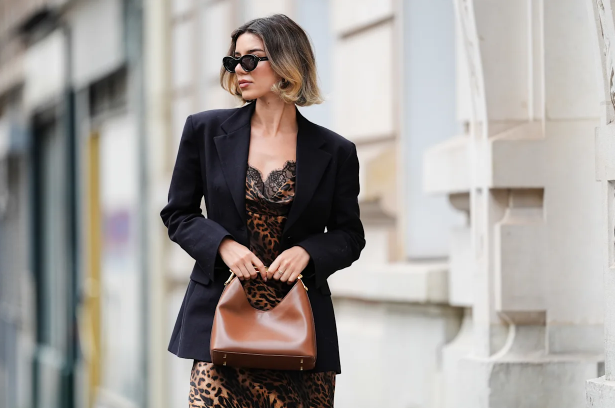
Even a $5,000 suit will look cheap if it doesn’t fit the shoulders perfectly. Conversely, a $40 H&M blazer can look like bespoke Savile Row if you spend $20 at a local tailor. In 2026, we call this **’Fit-hacking.’**
Focus on these three alterations:
– **The Hem:** Ensure trousers hit exactly at the ‘break’ of the shoe. In 2026, ‘puddling’ fabric is out; clean lines are in.
– **The Sleeve:** Blazers should show exactly 1/2 inch of shirt cuff. This tiny detail is the universal ‘code’ for a tailored garment.
– **The Dart:** Adding darts to a shirt or dress to follow the curve of your spine eliminates the ‘tent’ look that plagues off-the-rack clothing. Tailoring is the most ‘high-ROI’ investment you can make in your wardrobe.
3. Monochromatic Architecture: The Power of Tones
High-end fashion often relies on a ‘Unified Palette.’ In 2026, the most expensive-looking color combination is **’The Sand-and-Stone Spectrum.’** By dressing head-to-toe in varying shades of the same neutral—oatmeal, cream, and tan—you create a vertical line that makes you look taller and more ‘composed.’
The key to making monochrome work is **Contrast in Texture.** Pair a chunky wool knit with a silk slip skirt, or a matte cotton tee with a suede jacket. The subtle play of light between different textures suggests a level of ‘closet depth’ that usually costs thousands to achieve. Avoid ‘High-Contrast’ patterns (like loud florals or logos), which the human eye associates with budget-market mass-production.
4. The ‘High-Low’ Accessory Strategy
In 2026, we don’t buy ‘fake’ luxury. We buy **’Primary Hardware.’** If you are going to spend money, spend it on the things that touch the ground or hold your life: your shoes and your bag.
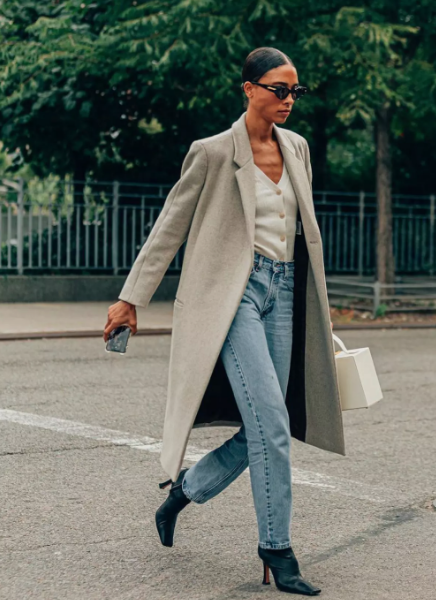
A pair of high-quality, hand-welted leather loafers can elevate a $10 white t-shirt and jeans to ‘Executive Level.’ Similarly, a structured, unbranded leather tote in a deep chocolate or black provides a ‘Visual Anchor.’ Avoid ‘Trend Bags’ that will be dated by 2027. Look for ‘Geometric Minimalism’—shapes that feel like architecture. In 2026, the most stylish people are those whose ‘luxury’ is anonymous.
Summary: Investment over Consumption
Fashion in 2026 is an exercise in **Restraint.** It’s about realizing that ‘More’ is rarely ‘Better.’ By focusing on fiber quality, investing in tailoring, and mastering the art of monochromatic texture, you can build a wardrobe that outlasts trends. You aren’t just buying clothes; you are building a ‘Visual Brand’ that speaks of quality, intelligence, and taste—none of which require a billionaire’s bank account.