How to Decorate Your Home for Every Season: A Guide to Year-Round Style
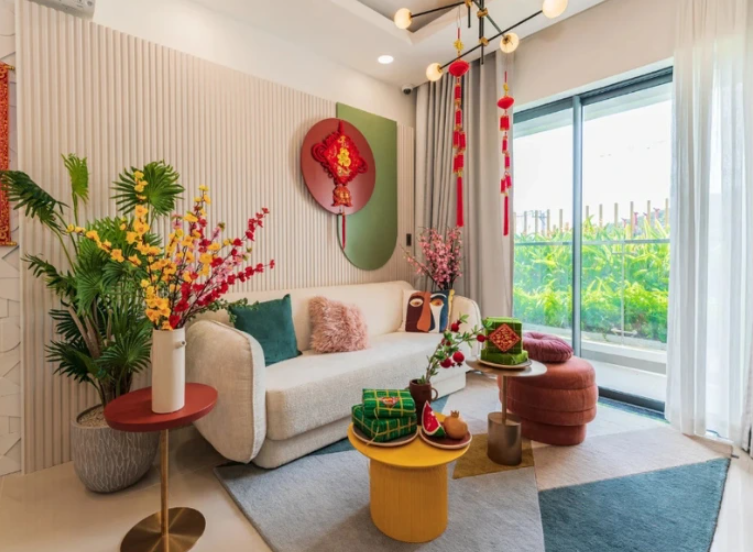
Our homes should reflect the rhythm of the world outside. Seasonal decorating is a wonderful way to keep your living space feeling fresh, cozy, and intentional. However, many people avoid it because they think it requires buying a lot of plastic decorations or spending hours changing every room. The secret to tasteful seasonal decor is ‘subtlety.’ Instead of literal decorations, focus on changing textures, colors, and scents. By swapping a few key items, you can transition your home from the freshness of spring to the warmth of winter with very little effort or expense.
1. Spring: Freshness and New Beginnings
When spring arrives, the goal is to ‘lighten and brighten.’ After a long winter, your home needs to breathe. Start by removing heavy wool blankets and replacing them with light cotton or linen throws. Swap dark accent pillows for shades of pastel blue, soft yellow, or floral patterns. The most important ‘decor’ for spring is fresh flowers—tulips, daffodils, or even branches of cherry blossoms. Open the windows, use citrus-scented candles, and let the natural light in. Spring decor is all about minimalism and a ‘clean’ feeling.
2. Summer: Vibrancy and Coastal Vibes
Summer decor should feel breezy and relaxed. Think of your home as a vacation retreat. Use natural textures like jute, rattan, and seagrass. Switch your candles to tropical scents like coconut, sea salt, or pineapple. This is the time for bold, saturated colors—bright turquoise, coral, or leafy green. If you have a fireplace, fill it with large candles or white birch logs, as you won’t be using it for heat. Incorporate nautical elements like seashells or driftwood for a subtle ‘beach house’ aesthetic that keeps the home feeling cool during the hot months.
3. Autumn: Warmth and Texture
As the leaves change, your home should become a cozy cocoon. This is the most popular season for decorating because it’s so sensory. Swap your light summer fabrics for ‘heavy’ textures: velvet, chunky knits, and faux fur. Change your color palette to ‘earth tones’ like burnt orange, deep burgundy, and mustard yellow. Instead of plastic pumpkins, use real heirloom pumpkins in muted colors like white or sage green. Incorporate natural elements like acorns, dried wheat, and cinnamon sticks. Scent is crucial in autumn—think spiced apple, pumpkin, and woodsmoke.
4. Winter: Coziness and Light
In winter, the focus shifts to ‘hygge’—the Danish concept of coziness and contentment. Since the days are shorter, lighting is the most important element. Use plenty of ‘fairy lights,’ lanterns, and candles to create a warm glow. Layer your rugs for extra warmth underfoot. Deep evergreens, rich forest greens, and metallic accents like gold and silver are perfect for this season. Even after the holidays are over, keep the cozy textures and warm lights until the first signs of spring. Winter decor is about making your home a sanctuary against the cold.
5. The ‘Core’ vs. ‘Accent’ Strategy
To make seasonal decorating easy, keep your large furniture pieces (sofa, rug, curtains) in neutral colors. These are your ‘core’ items. Then, only change your ‘accents’—pillows, throws, candles, and table centerpieces. Have one or two storage bins for each season where you keep these small items. This way, you can ‘transform’ a room in 15 minutes. It’s an efficient, sustainable, and affordable way to keep your home in sync with the calendar.
Conclusion: Celebrate the Change
Seasonal decorating is a form of ‘slow living.’ It encourages you to notice the changing world and appreciate the unique beauty of each time of year. Whether it’s a vase of spring flowers or a chunky winter blanket, these small changes make your home feel alive and cared for. Don’t overthink it—decorate with what makes you feel connected to the season, and enjoy the new energy it brings to your space.