It’s not about the chores, it’s about the connection
I see so many parents trying to ‘force’ eco-consciousness onto their kids. They make them sort the recycling like it’s a punishment, or they lecture them about plastic in the ocean. Here’s the truth: kids don’t care about ‘the planet’ in the abstract. They care about the tree in their backyard. They care about the ladybug on the sidewalk.
In 2026, raising an eco-conscious child isn’t about teaching them to be a tiny environmental activist; it’s about fostering a deep, personal love for the natural world. Because you protect what you love.
Step 1: Get them dirty (The 2026 ‘Dirt’ Rule)
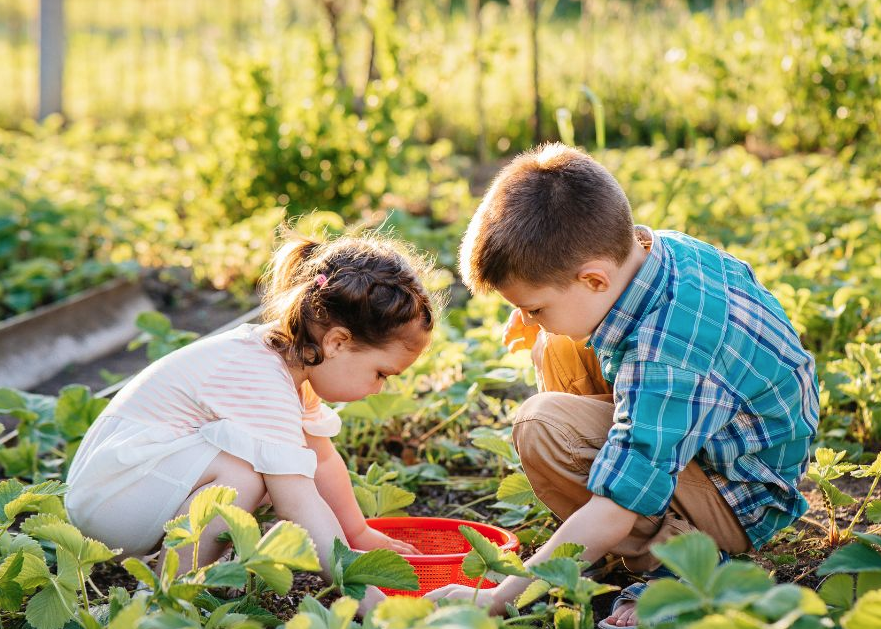
We live in an increasingly digital world. Many kids in 2026 spend more time looking at pixels than at soil. The first step to an eco-conscious life is sensory. Let them dig. Let them get muddy. Let them plant a seed and see it turn into a carrot they can actually eat. When a child understands that food comes from the earth and not just a supermarket app, their entire worldview shifts. It’s no longer ‘the environment’; it’s ‘where my snacks come from.’
Step 2: The ‘Why’ of Waste
Instead of just saying ‘don’t throw that away,’ show them where ‘away’ is. If you can, take them to a local composting center or even just show them a YouTube video of a landfill. But don’t do it to scare them. Do it to explain the ‘Life Cycle’ of things. In our house, we have a rule: ‘Every toy has a story.’ We talk about where the wood or plastic came from and where it goes when we’re done. This teaches them ‘Value’ over ‘Consumption.’ In 2026, the coolest kids aren’t the ones with the most toys; they’re the ones with the coolest ‘pre-loved’ finds.
Step 3: Modeling, not Mandating
Your kids are watching you. If you talk about the environment but then buy a mountain of single-use plastic every week, they see the contradiction. You don’t have to be perfect. In fact, let them see you struggle with it. Say, ‘I’m trying to find a way to buy milk without this plastic jug, but it’s hard.’ This shows them that being eco-conscious is a practice, a series of choices, not a state of perfection. It makes the goal feel attainable to them.
Step 4: Empower their Agency
Give them a ‘Green Job.’ Let them be the ‘Energy Warden’ who makes sure lights are off, or the ‘Water Captain’ during tooth brushing. In 2026, kids often feel a lot of ‘Eco-Anxiety’ because they hear about climate change at school but feel powerless to stop it. Giving them small, manageable tasks at home turns that anxiety into action. It gives them a sense of control over their future.
The Unspoken Rule: Keep it Joyful
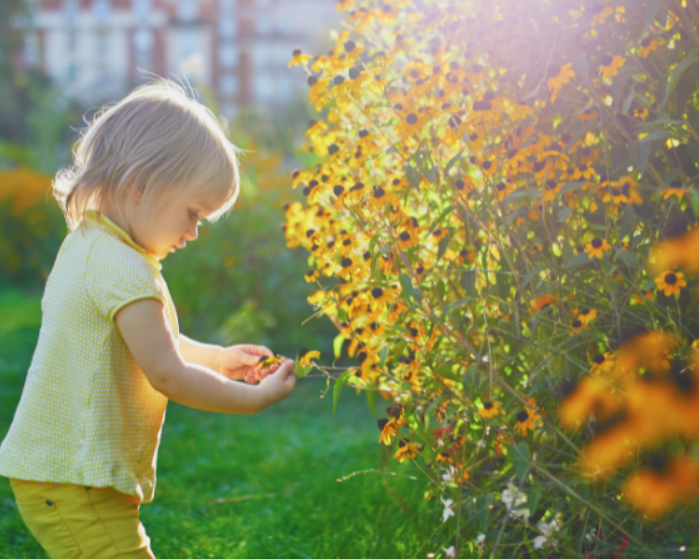
The moment eco-consciousness becomes a ‘burden,’ you’ve lost them. It should be about the joy of a clean park, the excitement of a farmers’ market, and the wonder of a bird’s nest. We aren’t raising soldiers for a war; we’re raising citizens for a better world. If they grow up loving nature, they will spend their lives figuring out how to save it. You don’t need to teach them the science; you need to teach them the awe. The rest will follow naturally.