Reducing Screen Time: Mindful Digital Habits for the 2026 Landscape
We are living in an attention economy where every app on our phone is designed by thousands of engineers to keep us scrolling. By 2026, social media has become so deeply entwined with our careers and social structures that ‘deleting everything’ is often a move that creates more isolation than peace. The challenge now isn’t to escape the digital world, but to inhabit it on our own terms. Reducing screen time is no longer about willpower; it is about ‘choice architecture’—designing your environment so that the healthy choice is the easiest one. It’s about moving from passive consumption to active intention, ensuring that your phone remains a tool and never becomes your master.
The Psychological Hack of ‘Greyscale’ and Minimalism
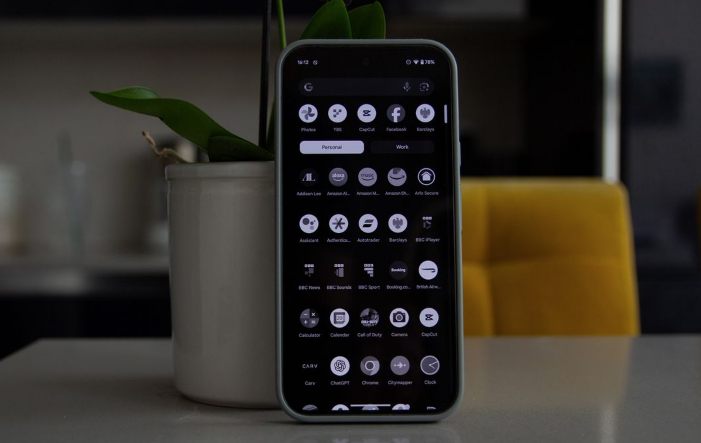
The most powerful way to reduce the ‘pull’ of your phone is to make it boring. Our brains are hardwired to respond to the bright, saturated colors of notification badges and app icons. By switching your phone to ‘Greyscale’ mode—a feature hidden in the accessibility settings of every 2026 smartphone—you immediately strip social media of its addictive visual reward. Instagram becomes a series of grey boxes; TikTok loses its hypnotic vibrance. This simple shift breaks the dopamine loop, allowing you to check for information without getting lost in the aesthetic void. Pair this with a minimalist home screen that only features ‘utility’ apps (Maps, Calendar, Notes), and you will find your ‘reflexive’ checking drops by up to 50% within the first week.
Implementing ‘Digital Fences’ and Focus Modes
In 2026, the most successful ‘tech-taming’ strategy is the use of automated Focus Modes. Instead of manually trying to stay off your phone, set your device to automatically block social media notifications during work hours and after 8:00 PM. Use ‘App Limits’ not as a hard ban, but as a ‘speed bump.’ When the notification pops up telling you that you’ve reached your limit, it forces a moment of mindfulness: Do I really need more of this, or am I just bored? Additionally, creating physical ‘fences’ is crucial. Charging your phone in the kitchen rather than on your nightstand prevents the two most dangerous screen-time windows: the first 30 minutes of the morning and the last 30 minutes of the night.
Curating Your Feed for ‘High-Value’ Interaction
If you aren’t going to delete social media, you must aggressively curate it. In 2026, the trend is ‘Hyper-Niche Following.’ Unfollow any account that triggers ‘FOMO,’ envy, or mindless outrage. Replace them with accounts that teach you a skill, inspire a hobby, or provide genuine community connection. When your feed is high-value, you naturally spend less time on it because you are looking for specific information rather than a general distraction. By treating your social media feed like a garden—regularly weeding out the noise—you transform it into a source of growth rather than a drain on your mental health. It’s not about how much time you spend online, but the ‘quality’ of that time. How much of your current feed actually makes your life better?
Conclusion: Reclaiming Your Attention
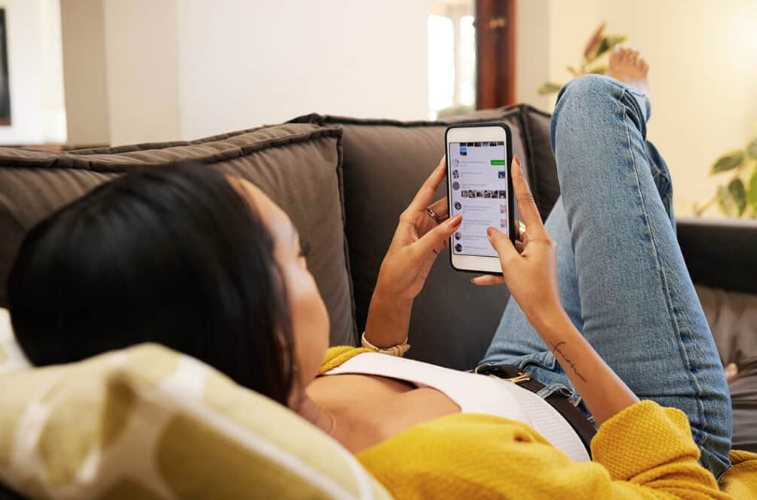
Your attention is the most valuable resource you possess. In a world that wants to monetize every second of your gaze, protecting your focus is an act of rebellion. By implementing small, technical, and psychological barriers, you can enjoy the benefits of social media—the connection, the inspiration, the news—without losing your evening to a mindless scroll. 2026 is the year of the ‘Intentional User.’ It’s time to stop letting algorithms dictate your mood and start using technology to enhance your real-world experiences. Which digital boundary are you going to set today to protect your peace of mind?