The 2026 Kitchen: Closing the Nutrient Loop
In 2026, ‘Waste’ is a dirty word. As municipal landfills reach capacity and ‘Green Taxes’ become common in urban centers, apartment dwellers are turning to **Indoor Micro-Composting**. You don’t need a backyard to turn your onion peels into ‘Black Gold.’ You just need a system that manages the **Biological Breakdown** without the smell. This 1,200-word guide compares the two 2026 champions of small-space composting: **Bokashi** and **Vermicomposting**.
1. Bokashi: The ‘Fermentation’ Powerhouse
Bokashi isn’t technically composting; it is **Anaerobic Fermentation**. In 2026, it is the preferred method for people who eat everything—including meat, dairy, and cooked foods—which are usually ‘Illegal’ in traditional compost bins.
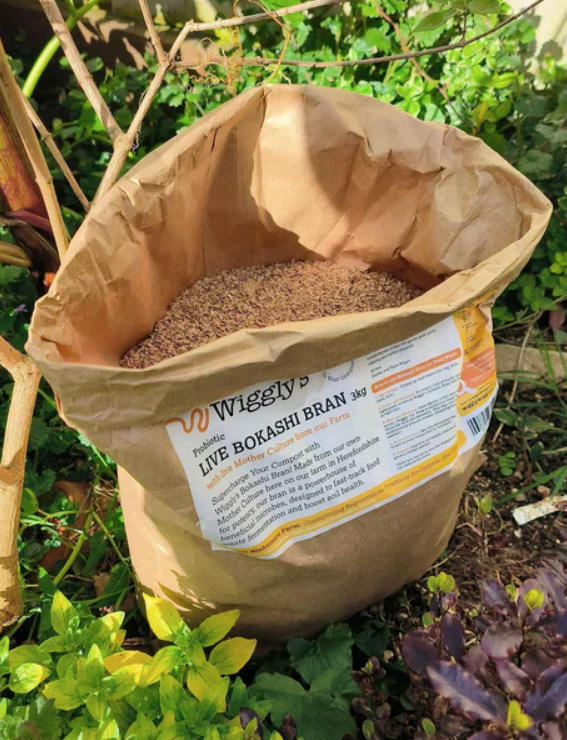
**How it Works:** You layer your food scraps in an airtight bucket with ‘Bokashi Bran’—a medium inoculated with **Effective Microorganisms (EM)** like *Lactobacillus*.
– **The Benefit:** It is incredibly fast. A bucket can be ‘pickled’ in 14 days. It takes up very little space (usually a 2-gallon bin under the sink).
– **The 2026 Twist:** Many urban 2026 ‘Community Gardens’ now have ‘Bokashi Drop-Off’ points. Since the food is fermented, it doesn’t rot or attract pests while waiting for collection.
2. Vermicomposting: The ‘Worm-Hotel’ Method
If you want a ‘Pet’ that makes fertilizer, **Vermicomposting** is for you. This uses **Red Wiggler worms** (*Eisenia fetida*) to eat your scraps and excrete ‘Castings’—the most nutrient-dense fertilizer on Earth.
**The Science of the Bin:** A 2026 worm bin is a ‘Multi-Tier’ system. The worms live in the top tray; as they finish the food, they migrate upward through holes to the next tray, leaving pure, clean soil behind.
**The C:N Ratio:** To keep your worms happy, you must maintain a Carbon-to-Nitrogen ratio of approximately $25:1$ to $30:1$.
– **Nitrogen (Greens):** Your food scraps.
– **Carbon (Browns):** Shredded 2026 cardboard, egg cartons, or coco-coir.
If the bin smells like ammonia, you have too much nitrogen; add more paper. If it’s dry, add a mist of water.
3. Dealing with the ‘Ick’ Factor
In 2026, we’ve solved the ‘Smell and Fly’ problem with **Bio-Carbon Filters**. Modern indoor bins feature a lid with an integrated activated charcoal layer that neutralizes 99% of odors.
For worms, the secret is **’Pocket Feeding.’** Don’t spread food across the surface. Bury it in one corner. This prevents fruit flies from finding the ‘Fresh’ scraps. In 2026, we also recommend a **Moisture Meter** ($15 at any hardware store). Worms breathe through their skin; the bedding should feel like a ‘Wrung-out Sponge.’ If it’s too wet, they drown; too dry, they suffocate.
4. Harvesting Your ‘Liquid Gold’
Both systems produce a liquid byproduct.
– **Bokashi Tea:** This is highly acidic and full of microbes. In 2026, we use it as a ‘Drain Cleaner’ (the microbes eat the biofilm in your pipes) or diluted 1:100 as a foliar spray for houseplants.
– **Worm Leachate:** Often called ‘Worm Tea’ (though true worm tea is brewed from castings), this liquid is packed with growth hormones. One cup per gallon of water will make your 2026 balcony tomatoes explode with growth.
5. Which One Should You Choose?
| Feature | Bokashi | Worms (Vermicompost) |
|---|---|---|
| Scrap Types | Everything (Meat/Dairy incl.) | Veggie/Fruit/Paper only |
| Speed | Ultra-Fast (2 weeks) | Slow (2-4 months) |
| Maintenance | Low (Add bran & seal) | Medium (Monitor moisture/temp) |
| End Product | Fermented ‘Pre-compost’ | Ready-to-use Soil (Castings) |
Summary: The Citizen Scientist
Apartment composting in 2026 is a revolutionary act. You are taking ‘Waste’ and turning it into ‘Value.’ Whether you choose the efficiency of **Bokashi** or the biological wonder of **Worms**, you are participating in the ‘Circular Economy’ from your own kitchen. Start small, observe the biology, and watch your ‘Waste’ vanish.