The ‘Black Gold’ Obsession
I’ve seen people spend $500 on ‘designer’ raised beds and then buy the cheapest, most lifeless dirt from a big-box store to fill them. That is the quickest way to fail. In 2026, we’ve moved past ‘gardening’ and into ‘soil stewardship.’ If you take care of the soil, the plants will take care of themselves.
Starting an organic garden isn’t just about ‘not using chemicals.’ It’s about building an ecosystem in your backyard that works so well you don’t *need* chemicals. Here’s how you actually start, from the ground up.
Step 1: The ‘No-Dig’ Revolution
Stop tilling your soil. Seriously. In 2026, the ‘No-Dig’ method (popularized by Charles Dowding) is the gold standard for organic growers. When you dig or till, you destroy the ‘mycelium’ (fungal networks) that help plants talk to each other and trade nutrients.
Instead, just lay down thick cardboard over your grass to kill the weeds, and then pile 6 inches of high-quality compost on top. That’s it. You plant directly into the compost. The cardboard rots away, the worms come up to eat it, and they do the ’tilling’ for you. It’s less work, fewer weeds, and much healthier plants. It’s the ultimate ‘lazy’ gardener’s win.
Step 2: Companion Planting (The Real Secret)
In 2026, we don’t plant in ‘rows.’ We plant in ‘communities.’ Nature hates a monoculture. If you plant a whole row of kale, every pest in the neighborhood will find it.
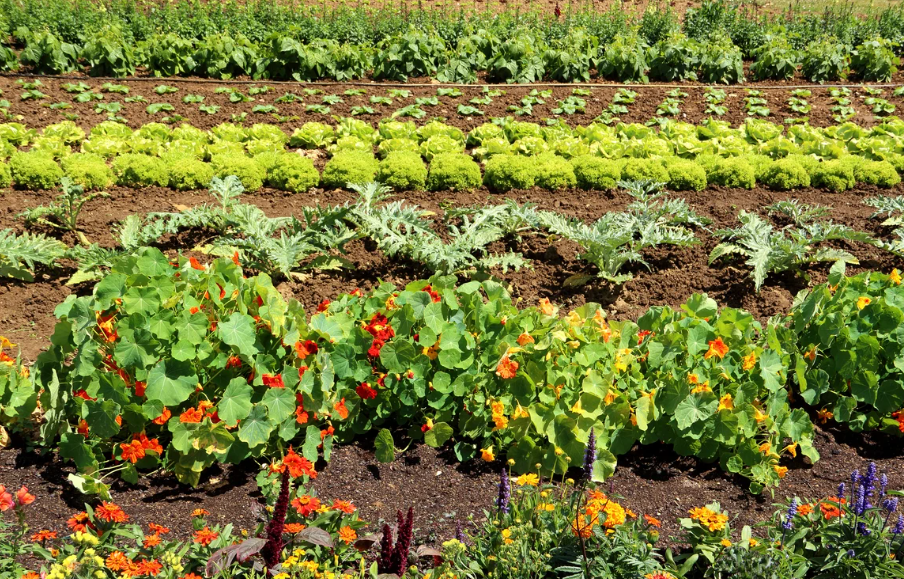
But if you plant that kale next to some strong-smelling marigolds, some onions, and some dill? The pests get confused. This is called ‘intercropping.’ The classic ‘Three Sisters’ (corn, beans, and squash) is the blueprint. The corn provides a pole for the beans, the beans fix nitrogen in the soil for the corn, and the squash leaves shade the ground to keep it moist. It’s a perfect, self-sustaining system. Before you plant anything, ask yourself: ‘Who is this plant’s best friend?’
Step 3: Managing Pests without the ‘Cides’
You *will* have bugs. That’s a sign of a healthy garden. The goal isn’t to kill them all; it’s to balance them. In 2026, we use ‘Trap Crops.’ I plant nasturtiums specifically for the aphids to eat. They love them more than they love my tomatoes. I’m essentially giving them a ‘sacrificial lamb’ so they leave my main crop alone.
If things get out of hand, use Neem Oil or a simple soap spray. But the best defense is biodiversity. If you have flowers in your garden, you’ll have ladybugs and lacewings. Those are your ‘organic air force.’ A single ladybug can eat 50 aphids a day. Let them do the work for you.
Step 4: The ‘Living’ Fertilizer
Stop buying bottled liquid fertilizer. Most of it just leaches into the groundwater anyway. In 2026, we make ‘Compost Tea’ or ‘Comfrey Feed.’
Comfrey is a ‘dynamic accumulator.’ Its roots go 10 feet deep into the soil and pull up minerals that other plants can’t reach. You cut the leaves, put them in a bucket of water for three weeks (it will smell like a swamp, I’m warning you), and then dilute that liquid. It’s the most powerful organic fertilizer on earth, and it’s free. Your tomatoes will grow like they’re on steroids, but the ‘clean’ kind.
Step 5: Water Management in 2026
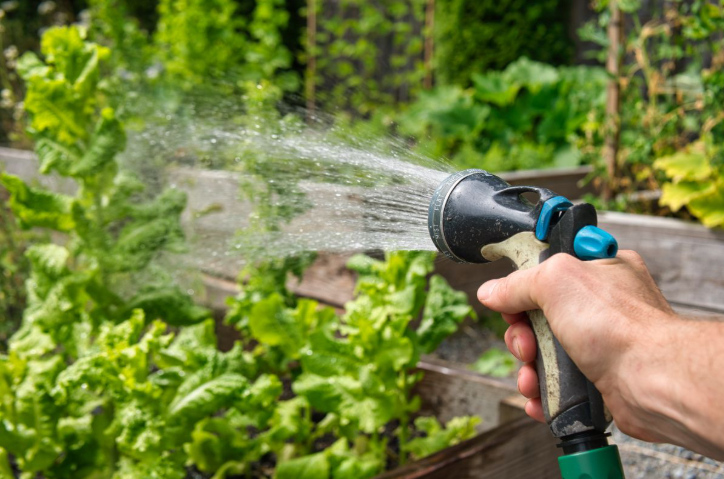
With the erratic weather patterns we’re seeing this year, you can’t rely on the rain. But you also shouldn’t use a sprinkler. 80% of sprinkler water evaporates before it even hits the roots.
Use ‘Ollas’ (pronounced oy-yas). These are unglazed clay pots that you bury in the ground and fill with water. The water slowly seeps through the clay directly to the roots. It’s an ancient technology that is making a huge comeback in 2026 because it’s 90% more efficient than surface watering. Plus, it keeps the leaves dry, which prevents 90% of fungal diseases like powdery mildew.
The Mindset: You’re a Part of the Garden
An organic garden isn’t a factory. Some years the tomatoes will be amazing, and the peppers will fail. That’s okay. The ‘unspoken rule’ of gardening is that you will always grow more than you can eat, or nothing at all. Share the surplus with your neighbors. In 2026, a basket of homegrown organic zucchini is better than any ‘thank you’ card. Get your hands in the dirt. It’s the only way to stay grounded in a digital world.