Building the ‘Eco-Generation’ of 2026
Sustainability in 2026 is no longer a ‘School Subject’; it is a **Life Skill.** As the global economy shifts toward ‘Carbon Accountability,’ raising children who understand the **’Closed-Loop System’** is the most important thing a parent can do. However, to a child, ‘Sustainability’ can feel abstract. We must make it **Tactile, Gamified, and Rewarding.** This 1,200-word guide provides the 2026 framework for teaching kids about ‘Waste-to-Wealth’ (Composting) and ‘Hydraulic Literacy’ (Water Conservation).
1. Gamifying the ‘Worm Hotel’ (Composting)
Kids are naturally fascinated by ‘Gross’ things. Composting is the perfect entry point.
**The 2026 Project: ‘The Great Scraps Challenge.’**
1. Create a ‘Carbon vs. Nitrogen’ sorting station. Give your child two buckets: one for ‘Browns’ (paper/cardboard) and one for ‘Greens’ (veggies).
2. **The Worm Count:** Once a month, do a ‘Population Audit.’ Let the kids gently dig through the worm bin to see how many ‘Baby Worms’ they can find. Explain that more babies mean the worms are ‘Happy and Healthy.’
3. **The Reward:** When the ‘Black Gold’ (castings) is ready, let them use it to plant their own ‘Personal Tomato’ (as seen in our previous guide). Seeing the cycle from ‘Apple Core’ to ‘New Tomato’ is the ultimate ‘Lightbulb Moment’ for a 2026 child.
2. ‘Hydraulic Literacy’: The 5-Minute Challenge
In 2026, water is our most precious resource. We teach conservation through **’Measurement.’**
– **The ‘Shower-Song’ Timer:** Every minute in the shower uses approximately 9 liters of water. Have your child pick a ‘5-Minute Anthem.’ If they finish before the song ends, they ‘win’ a water-credit (which can be traded for an extra 15 minutes of 2026 gaming time).
– **Rain-Barrels:** Install a clear rain barrel with a ‘Measuring Line.’ After a 2026 storm, have the kids check how many gallons they ‘harvested’ for free. Let them be the ‘Chief Irrigation Officer’ for the garden, using only the ‘Saved Water.’
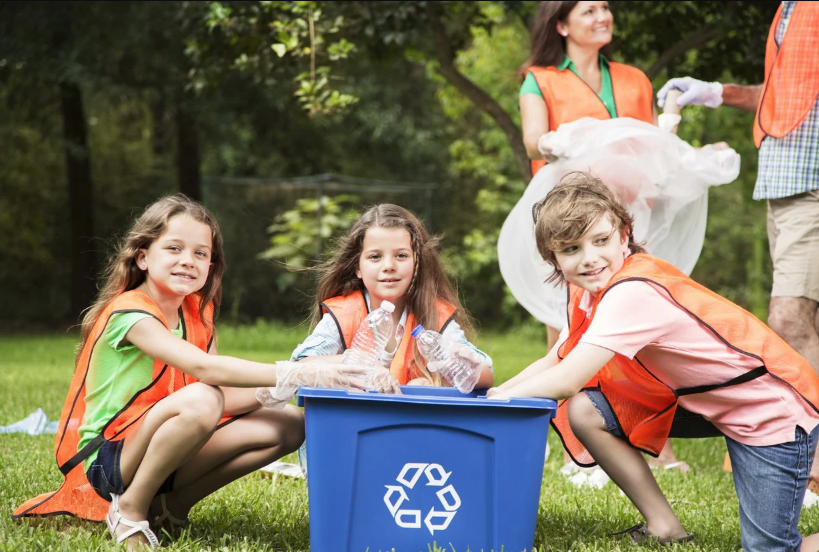
3. The ‘Trash-Audit’ (Plastic Intelligence)
In 2026, we don’t just ‘Recycle’; we **’Refuse.’**
**The Activity:** Once a week, look at your family’s trash together. Ask the child: ‘Which of these things will still be here when you are 100 years old?’ When they realize a plastic toy wrapper lasts centuries, their ‘Purchase Logic’ changes. This builds the 2026 **’Conscious Consumer’** mindset early.
4. ‘Energy-Detectives’: The Vampire Hunt
Teach your kids about ‘Phantom Loads’ (energy used by devices that are ‘off’ but plugged in).
**The Game:** Give them a roll of red stickers. Their job is to find every ‘Red Light’ in the house at night (TVs, chargers, microwave clocks). These are the ‘Energy Vampires.’ For every ‘Vampire’ they unplug, the family saves money for a ‘Green Adventure’ (like a trip to a 2026 Eco-Resort).
The 2026 ‘Sustainability Badge’ System
- **Badge 1 (The Soil Master):** Managing the compost for 30 days.
- **Badge 2 (The Water Guard):** Keeping all showers under 5 minutes for a week.
- **Badge 3 (The Plastic Scout):** Finding three ‘Plastic-Free’ alternatives for school snacks.
Summary: From ‘Anxiety’ to ‘Agency’
The 2026 news can often make children feel ‘Eco-Anxious.’ By giving them **Agency**—the ability to do something tangible in their own home—you replace that anxiety with **Pride.** You aren’t just teaching them to ‘Save the Planet’; you are teaching them that their actions have a measurable, positive impact on the world around them. What’s your family’s first 2026 ‘Eco-Mission’ going to be?