The 2026 Biological Shift: Returning to the ‘Ancestral Plate’
In 2026, the ‘Kibble vs. Raw’ debate has largely been settled by the mainstream adoption of **Microbiome Mapping.** We now have the technology to see exactly how processed, high-carb diets affect the gut health of our dogs and cats, leading to the rise in ‘Lifestyle Diseases’ like diabetes and chronic inflammation.
The ‘Raw Food Movement’ in 2026 is no longer a fringe hobby; it’s a scientifically-backed approach to **Metabolic Longevity.** However, you cannot simply switch from dry kibble to a raw steak overnight. Doing so can cause ‘Metabolic Shock’ and severe gastrointestinal distress. This is a 14-day ‘Metabolic Bridge’ designed to transition your pet safely and effectively.
1. The ‘Pre-Transition’ Gut Prime (Days 1-3)
Before introducing raw meat, you must prepare the ‘Acid Environment’ of the stomach. Kibble-fed pets often have a higher (more alkaline) stomach pH, which is less effective at breaking down raw proteins and neutralizing bacteria.
During the first three days, continue feeding kibble but add **Digestive Enzymes and Probiotics.** Specifically, look for strains like *Lactobacillus acidophilus* and *Bifidobacterium animalis*. This ‘primes’ the gut by increasing the population of beneficial bacteria. We also recommend adding a tablespoon of **Apple Cider Vinegar (with the Mother)** to their water to help gently lower the stomach pH in preparation for raw digestion.
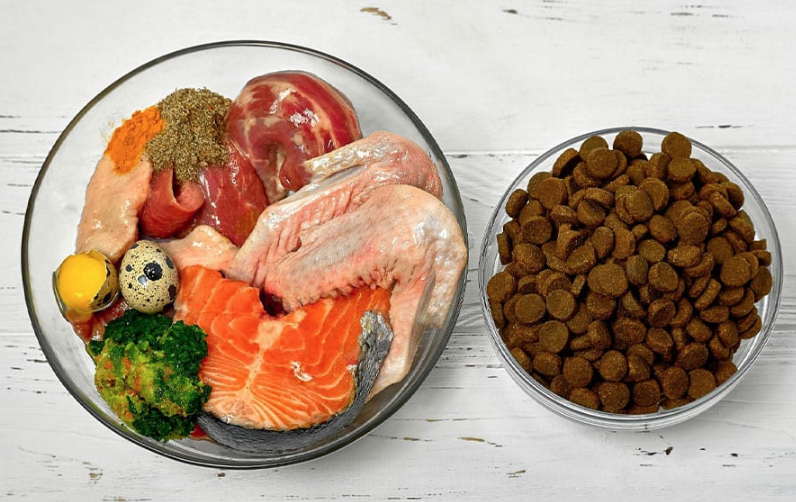
2. Phase One: The ‘Gentle Introduction’ (Days 4-7)
On Day 4, begin the **25/75 Split.** Replace 25% of their kibble with a ‘Single-Source’ white protein—usually ground turkey or rabbit. Why white meat? It’s lower in fat and easier for the pancreas to process during the initial shift.
**The ‘Golden Rule’ of 2026 Raw Feeding:** Never mix raw and kibble in the same bowl. Because they digest at different speeds (kibble takes 8-10 hours, raw takes 2-4 hours), mixing them can cause ‘backing up’ in the digestive tract. Feed the raw meal in the morning and the kibble meal in the evening. This ‘Bimodal Feeding’ allows the stomach to clear one before tackling the other.
3. Phase Two: The ‘Organ and Bone’ Integration (Days 8-11)
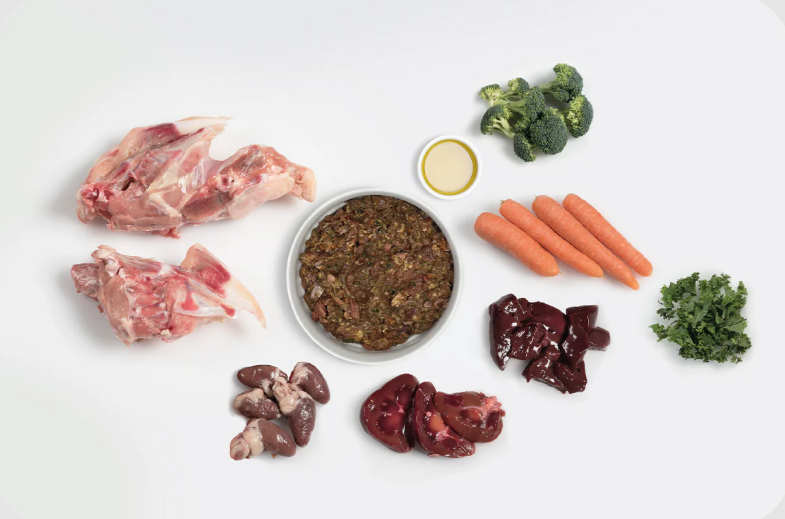
Once the stool is firm, move to a **50/50 Split.** Now you must introduce the ‘Functional’ parts of the diet: **Organ Meat and Calcium.** In 2026, we follow the **80/10/10 Rule**:
– 80% Muscle Meat
– 10% Edible Bone (for calcium/phosphorus balance)
– 10% Organ Meat (5% must be Liver for Vitamin A).
Do not skip the organ meat! It is the ‘multivitamin’ of the raw diet. If your pet is hesitant, lightly ‘sear’ the outside of the meat to release the aromas. In 2026, many owners use a **’Sous-Vide’** to warm the raw food to exactly $38^{circ}C$ ($100^{circ}F$), which mimics the body temperature of prey and makes the food much more enticing to picky eaters.
4. Phase Three: The ‘Full Transition’ and Monitoring (Days 12-14)
By Day 12, you should be at **100% Raw.** Monitor your pet’s energy levels and coat quality. In 2026, we use **’At-Home pH Strips’** to check the alkalinity of their urine, ensuring the diet is balanced.
The ‘ detox’ period: Don’t be alarmed if your pet experiences a ‘Skin Dump.’ As the body clears out the additives from years of kibble, you might see a temporary increase in ear wax or a slight ‘doggy odor.’ This usually clears within a week, replaced by a shiny, odorless coat and significantly smaller, firmer stools (which are now 100% biodegradable!).
Summary: Consistency is the Key to Health
Transitioning to raw in 2026 is an investment in your pet’s future. It requires more effort than pouring a bag of brown pellets, but the results—clear eyes, white teeth, and a calm, balanced temperament—are undeniable. Remember: your pet’s gut is an ecosystem. Treat it with respect, follow the 14-day bridge, and watch your ‘Sentient Family Member’ thrive.