The most common excuse for not traveling is ‘it’s too expensive.’ While luxury travel is certainly costly, the world has never been more accessible for those willing to be a bit more strategic with their money. You don’t need to win the lottery to see the Eiffel Tower or the beaches of Bali; you just need to understand the ‘travel economy.’ By changing how you book, where you stay, and how you eat, you can travel twice as often for half the price. This guide will show you how to master the art of budget travel without sacrificing the quality of your experience.
1. Travel During the ‘Shoulder Season’
Peak season (usually summer and major holidays) is when prices for flights and hotels are at their highest. ‘Off-season’ is cheap, but the weather can be terrible. The secret is the ‘Shoulder Season’—the period just before or just after the peak. For Europe, this is May-June and September-October. You get great weather, significantly lower prices, and far fewer crowds. Booking just two weeks outside of the peak can save you up to 40% on your total trip cost.
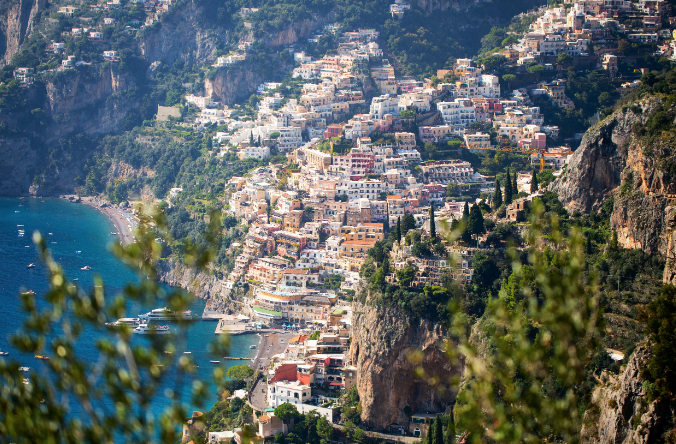
2. Be Destination Agnostic
Most people pick a place and then look for flights. If you want to save money, do the opposite: look for where it is cheap to fly and then decide if you want to go there. Use the ‘Explore’ feature on Google Flights or Skyscanner. You might find a $200 round-trip flight to a country you’ve never considered. This approach keeps travel exciting and keeps your costs low. Some of the best travel memories come from ‘accidental’ destinations that were simply affordable at the time.
3. Alternative Accommodations Beyond Hotels
Hotels are often the most expensive part of a trip. Consider staying in high-end hostels (many have private rooms), guesthouses, or short-term apartment rentals. For the truly budget-conscious, look into ‘house sitting’ or ‘pet sitting’ through websites like TrustedHousesitters. You get to stay in a beautiful home for free in exchange for looking after someone’s pet. Another option is ‘Worldpackers,’ where you trade a few hours of work per day for free accommodation and food.
4. Eat Like a Local, Not a Tourist
If a restaurant has a menu in five different languages and a person standing outside inviting you in, it’s a tourist trap. You will pay double for mediocre food. To save money, head three blocks away from the main tourist sites. Look for places where the locals are eating. Street food is not only cheap but often the most authentic way to experience a culture. Also, visit local supermarkets. Buying fresh bread, cheese, and fruit for a picnic lunch instead of eating out at a restaurant every meal can save you $20-$30 a day.
5. Use Public Transport and Walk
Taxis and private transfers are budget killers. Most major cities have excellent public transport systems that are safe and easy to use. Download the ‘Citymapper’ app to navigate like a pro. Even better, walk as much as possible. Walking is free, it’s healthy, and it’s the only way to stumble upon hidden alleys and local shops you would otherwise miss from a car window. If you must use a ride-share, use the local version (like Grab in SE Asia or Bolt in Europe) which is often cheaper than Uber.

6. Leverage Credit Card Points and Miles
Travel hacking is the practice of using credit card sign-up bonuses and daily spending to earn points that can be redeemed for free flights and hotels. If you have good credit and are responsible with your spending, this is the single best way to reduce travel costs. Many travelers fly business class for almost nothing by simply moving their regular monthly expenses to a travel-rewards card. Always pay off your balance in full every month to avoid interest, making the points truly free.
7. Free Walking Tours and Activities
Almost every major city in the world offers ‘Free Walking Tours.’ These are led by local guides who work for tips. It’s an incredible way to get an overview of the city’s history and hidden gems for just a few dollars. Additionally, many museums have ‘free days’ or ‘pay what you wish’ evenings. Check the local tourism office website for a list of free events, festivals, and public parks. You don’t need to pay an entrance fee to have a meaningful cultural experience.
Conclusion: Priority Over Price
Budget travel isn’t about being cheap; it’s about being smart. It’s about spending money on the things that matter to you—like a once-in-a-lifetime excursion—and saving on things that don’t, like a fancy hotel room you only sleep in. By adopting these habits, you turn travel from a ‘luxury’ into a regular part of your lifestyle.