The ‘Slow Travel’ Era of 2026
The travel industry has undergone a massive shift in the last two years. In 2026, the ‘bucket list’ culture of hopping between six cities in ten days is dead. It’s been replaced by **’Slow Travel’**—the art of staying longer in one place, immersing yourself in the local culture, and minimizing your carbon footprint.
With international carbon taxes and the rise of ‘Climate-Conscious’ visas, being a sustainable traveler is no longer an option; it’s a requirement. But sustainability isn’t about deprivation; it’s about a more meaningful connection to the places we visit. Here is the 2026 blueprint for the ethical explorer.
1. The ‘Zero-Waste’ Travel Kit: 2026 Essentials
Packing for a zero-waste trip in 2026 is easier than ever, thanks to innovations in material science. Your ‘Daily Carry’ should revolve around these four items:
– **The Nanofiltration Bottle:** In 2026, we’ve moved past simple charcoal filters. Modern travel bottles use ‘Electroadsorption’ to remove 99.9% of bacteria, viruses, and heavy metals from any tap water. This allows you to drink safely in any country without ever buying a single-use plastic bottle.
– **The Solid Apothecary:** Liquids are heavy and leak. The 2026 traveler uses solid ‘tabs’ for everything—toothpaste, shampoo, conditioner, and even laundry detergent. These are plastic-free and weigh 80% less than their liquid counterparts.
– **Silicone ‘Stasher’ Bags:** These have replaced Ziplocs. Use them for snacks, wet swimwear, or organizing tech cables. They are indestructible and can be washed in a hotel sink.
– **The ‘Urban-Compost’ App:** Many cities in 2026 now have public composting bins. Download an app that maps these locations so your food scraps don’t end up in a methane-producing landfill.

2. Transport: The ‘Rail-First’ Strategy
In 2026, high-speed rail has become the ‘gold standard’ for travel in Europe and parts of Asia. Flying is increasingly reserved for trans-oceanic journeys. When you do fly, the ‘insider’ tip is to book **’Direct and Daytime.’** Takeoffs and landings account for the bulk of carbon emissions, and daytime flights allow for ‘contrail mitigation’—a new 2026 practice where pilots fly at specific altitudes to avoid creating heat-trapping clouds.
For local transport, use ‘Active Transit.’ Walking or renting an e-bike isn’t just eco-friendly; it allows you to see the ‘hidden’ parts of a city that you’d miss from a taxi window. In 2026, ‘Walkability’ is the top metric travelers use when choosing a destination.
3. The ‘Data Waste’ Problem: An Invisible Footprint
This is the ‘hidden’ sustainability topic of 2026. Every photo you upload to the cloud and every high-def video you stream in your hotel room consumes energy in a data center. ‘Digital Waste’ is a real thing.
A sustainable traveler in 2026 practices **’Digital Hygiene.’** This means deleting blurry photos immediately, downloading maps for offline use, and turning off ‘Auto-Cloud Sync’ while on mobile data. By reducing your data consumption, you are indirectly reducing the demand on the power grids of the countries you are visiting. It’s a small change with a massive cumulative impact.
4. Support the ‘Circular’ Local Economy
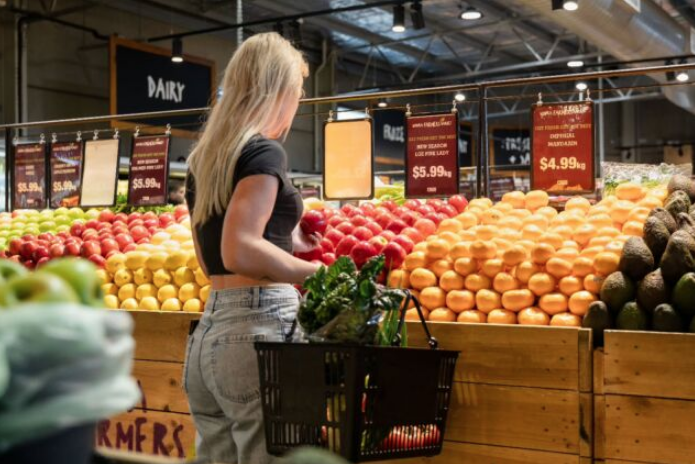
In 2026, we look for the **’Ethical Tourist Scorecard.’** Instead of eating at global chains, eat at restaurants that use ‘Zero-Kilometer’ ingredients (grown within the city limits). Instead of buying mass-produced souvenirs, look for ‘Upcycled Artisan’ shops.
The goal is to ensure that your ‘Travel Dollars’ stay in the community and support sustainable practices. Ask your host: ‘Where is the nearest local farmers’ market?’ or ‘Which shops sell locally-made goods?’ This creates a ‘Positive Leakage’ where your vacation directly funds the preservation of the local culture and environment.
Summary: Travel as an Act of Restoration
In 2026, being a traveler means being a guest. We leave no trace, we respect the resources of our hosts, and we aim to leave a place better than we found it. Sustainable travel isn’t a sacrifice; it’s a more intentional, high-quality way to see the world. Pack light, go slow, and let the journey change you without changing the planet.