Moving beyond the ‘Step Counter’
For a decade, we were obsessed with ‘10,000 steps.’ In 2026, we’ve realized that steps are a pretty lazy metric for health. You can walk 10,000 steps and still be stressed, sleep-deprived, and metabolically unhealthy. The ‘new wave’ of wearable tech isn’t interested in your movement; it’s interested in your chemistry.
We are entering the era of the ‘Internal Wearable.’ We aren’t just tracking what we *do*; we are tracking how our body *reacts* to what we do. This is a subtle but massive shift.
The CGM Revolution: Glucose for the Masses
The biggest story in 2026 is the CGM (Continuous Glucose Monitor) for non-diabetics. Brands like Levels and Nutrisense have moved from ‘niche biohacker’ tools to mainstream health essentials.
It’s a small patch on your arm with a tiny needle that you don’t even feel. It sends your blood sugar levels to your phone in real-time. Why does this matter? Because you might think your ‘healthy’ oatmeal breakfast is good for you, but the CGM might show that it spikes your blood sugar as much as a donut. This ‘bio-individuality’ is the future. We are finally stopping the ‘one size fits all’ diet advice. In 2026, your watch will tell you: ‘Don’t eat that banana now, your insulin is already high.’
Smart Contact Lenses: The Invisible Doctor
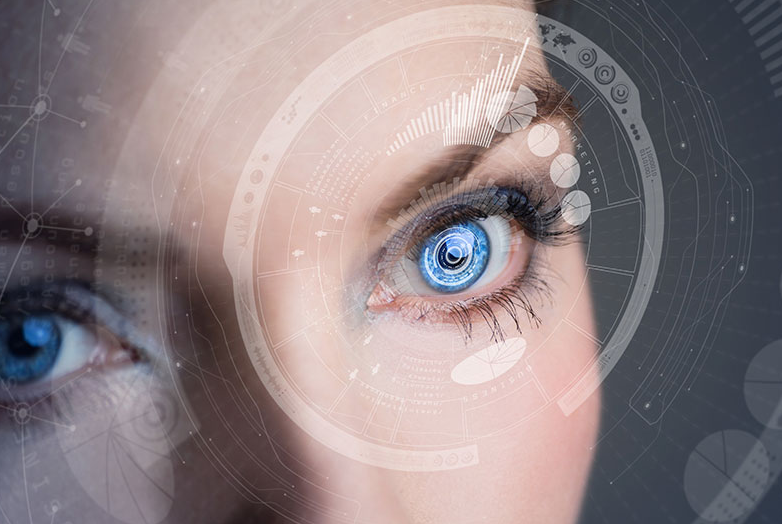
This sounds like sci-fi, but it’s here. Companies like Mojo Vision have been refining smart contact lenses. While the ‘AR’ (augmented reality) side is cool, the health side is incredible.
These lenses can monitor the pressure in your eye (for glaucoma) and even analyze your tears for glucose levels or certain biomarkers of cancer. It’s the ultimate ‘invisible’ wearable. No bulky watch, no ring—just a lens that watches your health while you watch the world. The ‘insider’ concern here is obviously privacy and battery life, but the 2026 models have mastered ‘induction charging’ through a sleep mask. Technology finds a way.
Hearables: The Brain in Your Ear
Your ears are actually a better place to track vitals than your wrist. The skin is thinner, and there is more blood flow. In 2026, ‘Hearables’ (smart earbuds) are taking over.
New models from brands like Bose and even Apple are integrating EEG (electroencephalogram) sensors. They can track your brainwaves to tell you exactly when you are in a ‘Flow State’ and when your brain is becoming fatigued. It’s the ultimate productivity hack. Your earbuds will literally tell you: ‘Your brain is fried, go take a 10-minute walk.’ This ‘cognitive load’ tracking is changing how we work and prevent burnout.
The Smart Ring: Minimalism vs. Data
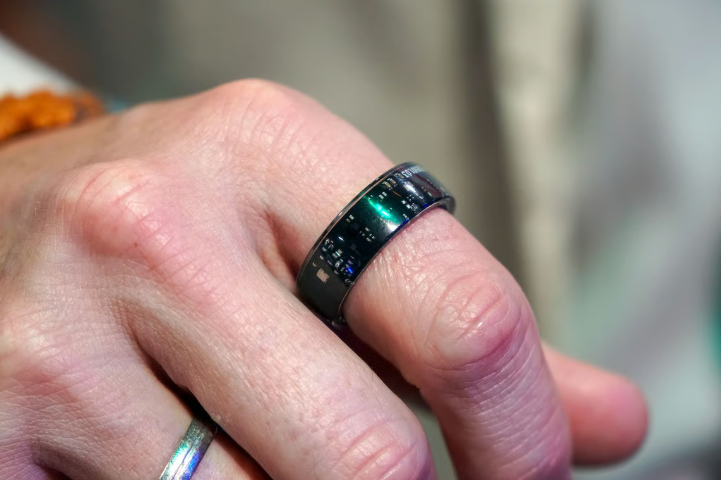
The Oura Ring and the Samsung Galaxy Ring have finally hit their peak. In 2026, the sensors have shrunk so much that these rings look like a standard wedding band.
What’s new this year is ‘Emotional Stress Tracking.’ By measuring ‘Galvanic Skin Response’ (how much your skin sweats in response to stress), the ring can tell you *when* you are stressed before you even feel it. It’s a tool for emotional regulation. If your ring vibrates softly while you’re in a meeting, it’s a reminder to take a deep breath. It’s tech that’s trying to be a ‘zen master’ on your finger.
Latest wearable tech
The ‘Unspoken’ Downside: Data Anxiety
Here is the direct truth: having all this data can actually make you *less* healthy. If you’re obsessing over your ‘Sleep Score’ every morning, the stress of a ‘bad’ score can ruin your day more than the actual lack of sleep.
In 2026, the ‘pro’ users are practicing ‘Data Fasting.’ They wear the tech for two weeks to learn their patterns, and then they take it off for a month. You have to learn to ‘feel’ your body again, not just read it on a screen. Technology should be the coach, not the crutch. Use the data to make a change, then trust your intuition.
Summary: Where to invest?
If you’re looking for the best bang for your buck in 2026, skip the fancy smartwatch. Get a high-quality Smart Ring for 24/7 recovery data and, if you can afford the subscription, a CGM for a month. Those two things will tell you more about your health than a million ‘steps’ ever could. The future of health is inside you; the tech just helps you listen.