The Kibble Skepticism of 2026
I remember the first time I actually read the back of a standard bag of dog food. It was a list of words I couldn’t pronounce and ‘meat by-products’ that sounded more like a science experiment than a meal. My dog was lethargic, her coat was dull, and she just didn’t have that spark.
That was the turning point.
In 2026, we are finally seeing a massive shift. People are realizing that dogs, much like us, thrive on real, whole foods. But let’s be clear: you can’t just give a dog a piece of chicken and call it a day. That’s how you end up with nutritional deficiencies that can cause serious long-term damage.
The Golden Ratio: Protein, Fats, and the ‘Hidden’ Nutrients
When you’re making your own dog food, you have to think like a wolf, but a wolf that lives in a house. You need roughly 50% protein, 30% vegetables, and 20% healthy fats and complex carbs. But the real ‘insider’ secret? Organ meats.
Liver, heart, and gizzards are the multivitamins of the canine world. They are packed with taurine and vitamin A. If you aren’t including at least 10% organ meat in your recipes, your dog is missing out on the fuel that keeps their heart strong.
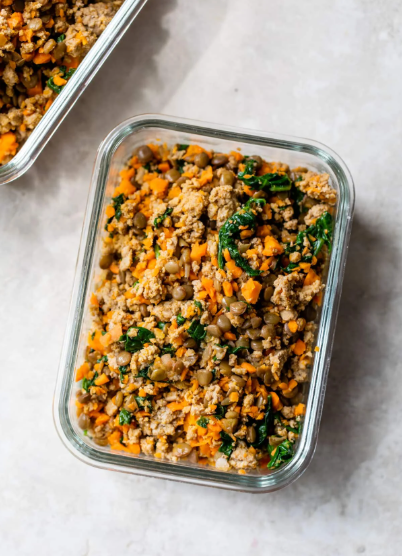
Recipe 1: The ‘Shin-Coat’ Salmon Bowl
This is my go-to for dogs with itchy skin or dull fur. Salmon is loaded with Omega-3 fatty acids, which are basically liquid gold for skin health.
You’ll need:
– 1lb of fresh salmon (skin on is fine, but watch for bones!)
– 2 cups of chopped spinach (don’t overdo the kale, it can be hard on their kidneys)
– 1 cup of blueberries (antioxidant powerhouse)
– 1 tablespoon of coconut oil.
Lightly poach the salmon—don’t fry it. Keep the water you boiled it in! That ‘fish tea’ is full of nutrients. Mix everything together. The blueberries might seem weird to you, but dogs love the pop of sweetness, and the antioxidants help prevent cognitive decline as they age. This is 2026 pet care: we aren’t just feeding them for today; we’re feeding them so they don’t get ‘doggy dementia’ at age 12.
Recipe 2: The ‘Slow-Burn’ Turkey & Sweet Potato Mash
Turkey is a lean protein, perfect for dogs that need to watch their weight. But turkey on its own can be boring. The secret here is the sweet potato. Unlike white potatoes, sweet potatoes have a low glycemic index, meaning they provide steady energy without the ‘sugar crash’ (yes, dogs get those too).
Mix ground turkey with mashed sweet potato and add a handful of peas. But here’s the human touch: add a teaspoon of turmeric. Why? In 2026, we know that inflammation is the root of almost all canine joint pain. Turmeric is a natural anti-inflammatory. Just make sure you add a tiny crack of black pepper—it’s the only way a dog’s body can actually absorb the curcumin in the turmeric.
The ‘Unspoken’ Danger: Supplements
If you are feeding 100% homemade, you *must* add calcium. In the wild, dogs eat bones. At home, they usually don’t. I dry out eggshells, grind them into a fine powder, and add half a teaspoon to every meal. It’s the cheapest and most effective way to ensure their bones stay strong.
Also, stop with the garlic and onions. I still see ‘old school’ recipes suggesting garlic for fleas. It’s toxic. It causes oxidative damage to their red blood cells. Just don’t do it.
Transitioning: Don’t just flip the switch
If you’ve been feeding kibble for five years and suddenly drop a bowl of fresh salmon in front of your dog, you’re going to have a very messy carpet the next morning. Their gut biome needs time to adapt. Start with 25% fresh food mixed with their old food for a week. Slowly increase the ratio. By week three, their poop will be smaller (because they are actually absorbing the nutrients) and their energy levels will be night and day.
Cooking for your dog is an act of love. It takes an extra 20 minutes a week if you meal prep, but the decrease in vet bills alone makes it worth it. Plus, seeing that tail wag when they smell actual meat cooking? That’s the best feeling in the world.