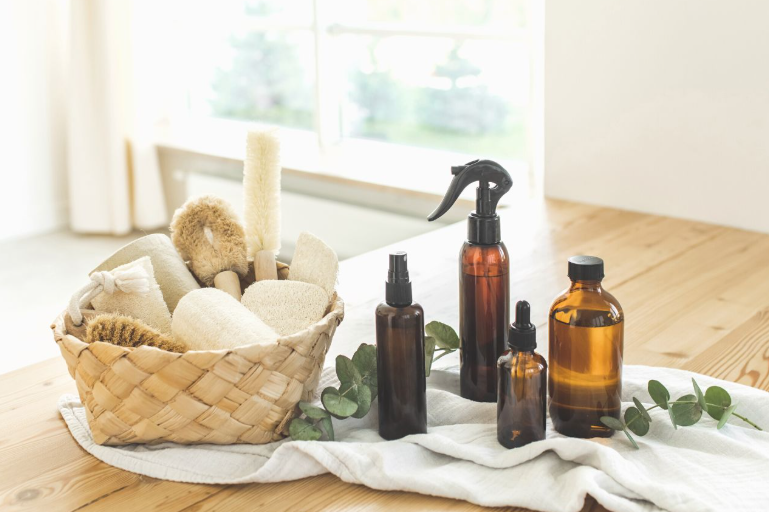
Keeping your home clean does not require harsh chemicals, expensive products, or complicated routines. In fact, many natural home cleaning methods are just as effective — and often safer — than commercial cleaners. Natural cleaning solutions are better for your health, your budget, your pets, and the environment. With a few simple ingredients and smart habits, you can maintain a fresh, hygienic home without toxic exposure. These effective Natural Home Cleaning Tips can help you achieve this.
The key to successful natural cleaning is understanding which ingredients work best for different surfaces and tasks. Many powerful natural cleaners can already be found in your kitchen pantry, making this approach both affordable and practical.
Why Choose Natural Cleaning Methods?
Natural cleaning reduces your exposure to harmful chemicals that can irritate skin, trigger allergies, and affect indoor air quality. Many commercial cleaners contain artificial fragrances, harsh disinfectants, and toxins that linger on surfaces and in the air. Switching to natural alternatives helps create a healthier home environment, especially for families with children or pets.
Additionally, natural cleaning saves money. Simple ingredients like vinegar, baking soda, and lemon are inexpensive and can replace multiple store-bought products.
For those seeking effective solutions, incorporating Natural Home Cleaning Tips into your routine can transform your cleaning habits.
White Vinegar for Multi-Purpose Cleaning
White vinegar is one of the most effective natural cleaning agents. It cuts grease, removes grime, neutralizes odors, and disinfects surfaces. Vinegar works well for cleaning windows, mirrors, countertops, sinks, and kitchen appliances.
You can create a simple all-purpose cleaner by mixing equal parts vinegar and water in a spray bottle. For a pleasant scent, add lemon peels or a few drops of essential oil.
Avoid using vinegar on natural stone surfaces like marble or granite, as it can damage them.
Baking Soda for Scrubbing and Deodorizing
Baking soda is a gentle but powerful cleaning agent that works especially well for removing stains and odors. It can be used to scrub sinks, bathtubs, stovetops, ovens, and tile grout without scratching surfaces.
Sprinkling baking soda in carpets, trash bins, or refrigerators helps absorb unpleasant smells. When combined with vinegar, it creates a bubbling reaction that helps loosen dirt and grime.
Lemon for Freshness and Stain Removal
Lemon juice naturally cuts grease, brightens surfaces, and leaves a fresh scent. It can be used to clean cutting boards, remove stains, and polish metal fixtures.
Lemon also has mild antibacterial properties, making it useful for kitchen cleaning. Mixing lemon juice with baking soda creates a natural paste that works well on stubborn stains.
Hydrogen Peroxide for Disinfection
Hydrogen peroxide is an effective natural disinfectant that kills bacteria, viruses, and mold. It works well for sanitizing bathroom surfaces, kitchen counters, and cutting boards.
It can also be used as a laundry booster to brighten whites and remove stains. Always store hydrogen peroxide in a dark bottle to maintain its effectiveness.
Essential Oils for Antibacterial Power and Fragrance
Essential oils not only add pleasant fragrance but also provide antibacterial and antifungal benefits. Popular choices include tea tree oil, lavender oil, eucalyptus oil, and lemon oil.
A few drops added to homemade cleaners can enhance cleaning power while leaving your home smelling fresh without artificial scents.
Natural Kitchen Cleaning Tips
The kitchen is one of the most important areas to keep clean. Natural cleaners work well for removing grease, food residue, and odors.
Use vinegar or lemon to clean countertops and stovetops. Baking soda works well for scrubbing sinks and removing stains. To deodorize trash bins, sprinkle baking soda inside and rinse with vinegar.
For microwave cleaning, heat a bowl of water with lemon slices, then wipe the interior clean.
Natural Bathroom Cleaning Tips
Bathrooms can be cleaned effectively using natural ingredients. Baking soda and vinegar help remove soap scum, hard water stains, and mildew. Hydrogen peroxide works well for disinfecting toilet seats, sinks, and shower areas.
For stubborn grime, apply a paste made of baking soda and water, let it sit, then scrub gently.
Natural Laundry and Fabric Freshening
Vinegar can be added to laundry to soften fabric and remove odors. Baking soda helps brighten clothes and neutralize smells. Hydrogen peroxide can be used as a natural bleach alternative for white fabrics.
For a fresh scent, add a few drops of essential oil to wool dryer balls instead of using chemical-laden dryer sheets.
Eco-Friendly Floor Cleaning
Floors can be cleaned using warm water mixed with vinegar or a few drops of castile soap. This works well for tile, laminate, and sealed wood floors. Always avoid excessive water on hardwood surfaces.
Microfiber mops and reusable cloths reduce waste and improve cleaning efficiency.
Decluttering Makes Cleaning Easier
Keeping fewer items reduces dust buildup and makes cleaning faster. Decluttering surfaces allows you to wipe down areas more efficiently and maintain a tidy appearance with less effort.
A minimalist approach helps natural cleaning routines stay manageable and consistent.
Healthy Cleaning Habits to Maintain a Fresh Home
Consistency matters more than intensity. Small daily habits — such as wiping kitchen counters, washing dishes promptly, and doing quick floor sweeps — prevent dirt from piling up.
Setting a simple weekly cleaning schedule helps keep your home fresh without overwhelming effort.
Final Thoughts on Natural Home Cleaning
Natural home cleaning proves that a spotless home does not require harsh chemicals or expensive products. With ingredients like vinegar, baking soda, lemon, and essential oils, you can clean effectively while protecting your health and the environment.
By adopting natural cleaning habits, you create a safer, fresher, and more sustainable home that feels comfortable and welcoming every day.