Painting with Light: The 2026 Guide to Smart Home Aesthetics
We’ve all walked into *that* house. You know the one. Every light is a ‘Cool White’ LED that makes the living room feel like a high-security dental clinic. It’s harsh. It’s flat. It makes everyone look like they haven’t slept in three weeks. In 2026, we finally understand that lighting isn’t just about ‘not being in the dark.’ It’s about ‘Atmospheric Design.’
Smart lighting has evolved. We’re over the phase where we make our rooms turn neon purple just because we can. In 2026, the goal of smart lighting is ‘Invisible Integration’—creating a home that automatically shifts its ‘vibe’ to match your life.
The Circadian Shift: Lighting for Biology
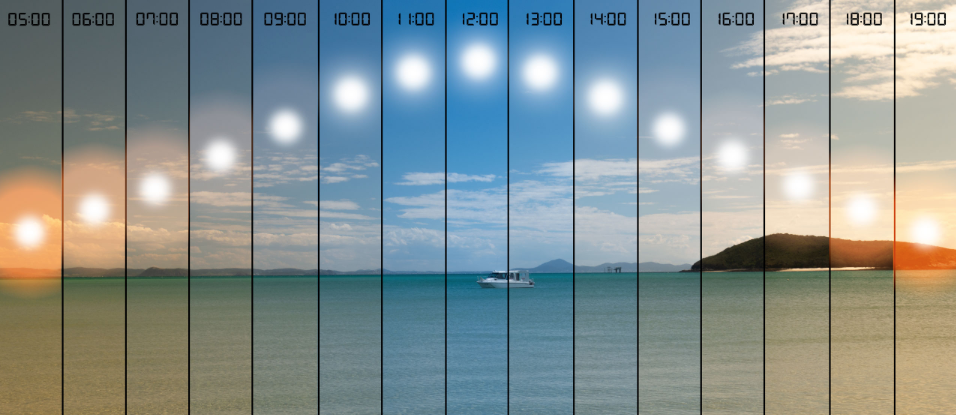
The biggest change this year is ‘Circadian Syncing.’ Our bodies are hardwired to respond to the color of the sun. In the morning, we need high-blue ‘Cool’ light to wake up our brains. In the evening, we need ‘Warm, Amber’ light to signal to our bodies that it’s time to produce melatonin.
The best smart systems of 2026—like **Philips Hue** or the new **Lutron Caséta**—do this automatically. You don’t even have to think about it. As the sun sets outside, your indoor lights slowly lose their blue tones and shift into a soft, candle-like glow. It’s subtle. You don’t notice it happening, but you *do* notice that you’re falling asleep faster and waking up without that ‘grogginess.’ This isn’t just an aesthetic ‘flex’; it’s a biological upgrade for your home.
The ‘No-Lamp’ Trend: Architectural Accents
In 2026, we are seeing a move away from traditional ‘lamps’ and toward ‘Architectural Light Strips.’ Brands like **Nanoleaf** and **Govee** have moved beyond those ‘gamer’ wall panels into sophisticated, hidden light strips that live behind your TV, under your kitchen cabinets, or along your baseboards.
This is ‘Indirect Lighting.’ You don’t see the light bulb; you see the *glow*. It makes your ceilings look higher and your rooms feel deeper. It’s the ‘Boutique Hotel’ look, and it’s surprisingly easy to do yourself. The key is ‘Zoning.’ You don’t want one giant light in the middle of the ceiling. You want ‘pockets’ of light. A warm glow in the corner by the armchair. A soft backlight for your plants. A focused beam for your desk. By layering your light, you create texture in a room that paint alone can’t provide.
The ‘Smart’ Reality: Voice, Sensors, and Simplicity
If you have to pull out your phone every time you want to turn on a light, your smart home has failed. In 2026, the ‘Gold Standard’ is ‘Zero-UI’ (Zero User Interface). This means your home uses ‘mmWave’ motion sensors that are so precise they know the difference between you sitting on the couch and your dog walking across the floor.
The lights just ‘know.’ When you walk into the kitchen at 2:00 AM for a glass of water, the lights shouldn’t blind you. They should come on at 5% brightness in a deep amber hue. When you start your ‘Work’ focus mode on your phone, your office lights should snap into a crisp, 5000K ‘Daylight’ setting.
Smart lighting in 2026 is about reducing friction. It’s about a house that anticipates your needs so you can focus on your life. If you’re still flipping physical switches like it’s 1999, it’s time for an upgrade. Start with one room—usually the bedroom or the living room—and feel the difference. Once you live in a house that ‘paints’ itself with light, you can never go back to those ‘dental clinic’ bulbs. What’s the ‘vibe’ of your home right now, and what could it be with a little bit of smart light?