Positive Parenting Habits That Build Strong Relationships: A Foundation for Life
Parenting is often viewed through the lens of discipline and rules, but the core of effective parenting lies in the quality of the relationship between parent and child. Positive parenting is an approach that prioritizes empathy, mutual respect, and open communication over punishment and control. By building a strong emotional bond, you create a safe environment where children feel valued and understood. This foundation not only makes daily life smoother but also equips children with the emotional intelligence they need for adulthood. Here are the essential habits that foster a deep, lifelong connection with your children.
1. Practice Active Listening Without Judgment
Active listening is more than just hearing words; it’s about being fully present. When your child speaks, put down your phone, maintain eye contact, and listen to the emotion behind their story. Avoid the urge to immediately ‘fix’ the problem or offer a lecture. Often, children just need to feel heard. By validating their feelings—saying things like, ‘It sounds like that made you feel really frustrated’—you build trust. They learn that they can come to you with anything, knowing you will provide a safe space rather than a critique.
2. Prioritize Special ‘One-on-One’ Time
In a busy household, individual attention can often get lost. Dedicate at least 15 minutes a day to each child for ‘special time.’ During this window, the child chooses the activity, and there are no distractions. Whether it’s playing a board game, drawing, or just talking, this undivided attention signals to the child that they are a priority. This habit significantly reduces attention-seeking negative behaviors because the child feels emotionally ‘full’ and secure in your love.
3. Focus on Connection Before Correction
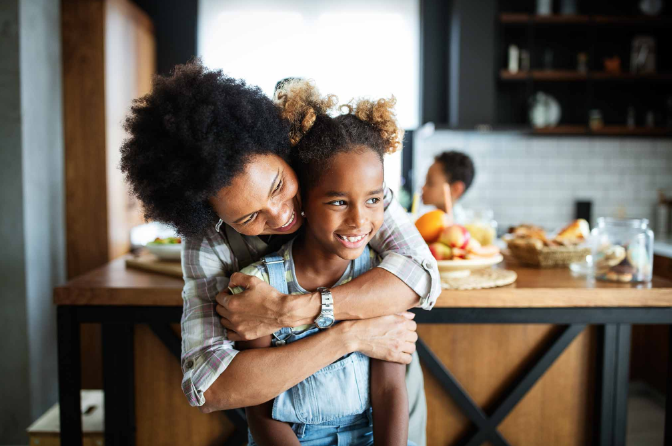
When a child misbehaves, our instinct is to punish. However, most misbehavior stems from a place of stress or a lack of skill. Positive parenting suggests ‘connecting’ before ‘correcting.’ Before addressing the behavior, get down on their eye level and offer a hug or a calm word. Once the child is calm and feels connected to you, they are much more likely to listen to your guidance. Correction without connection leads to resentment, while correction with connection leads to learning and growth.
4. Be a Role Model for Emotional Regulation
Children do what we do, not what we say. If you react to stress by yelling, they will learn to do the same. Practicing positive parenting means managing your own emotions first. If you feel yourself getting angry, take a ‘parental time-out’ to breathe before responding. By showing your children how to handle frustration calmly, you are teaching them the most valuable life skill: self-regulation. Apologizing when you lose your temper is also a powerful habit; it shows them that everyone makes mistakes and that repair is possible.
5. Encourage Autonomy and Choice
A strong relationship is built on respect, which includes respecting your child’s growing need for independence. Offer choices whenever possible: ‘Do you want the red cup or the blue one?’ or ‘Do you want to do homework before or after your snack?’ Giving children a sense of agency reduces power struggles and makes them feel like a respected member of the family. As they grow, involve them in family decisions. This collaborative approach builds their confidence and strengthens their bond with you as a mentor rather than just a boss.
6. Establish Rituals and Traditions
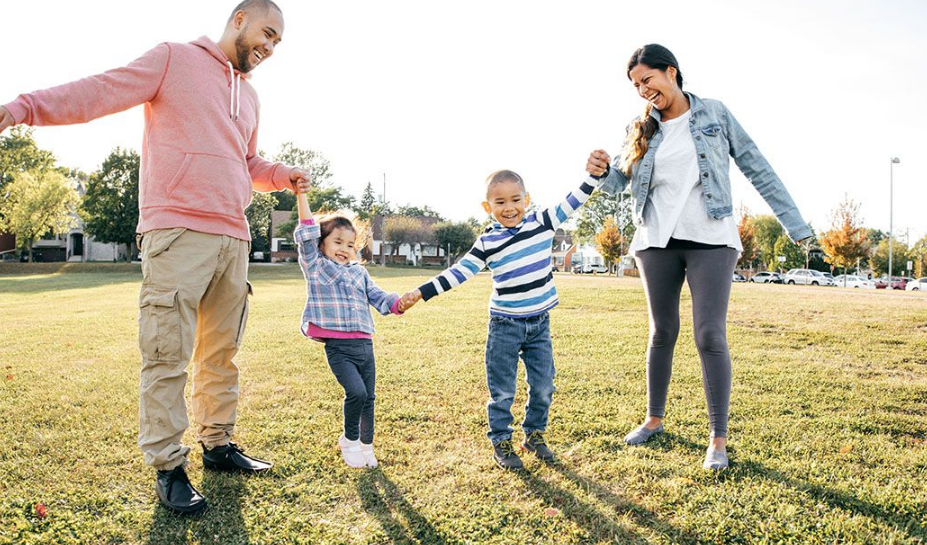
Small, consistent rituals create a sense of belonging and security. This could be a specific bedtime story routine, a ‘Friday Pizza Night,’ or a unique handshake. These traditions act as the ‘glue’ for your relationship, providing predictable moments of connection in an unpredictable world. Years from now, your children may not remember the toys you bought them, but they will vividly remember the feelings of safety and joy associated with these family rituals.
Conclusion: Consistency is Everything
Building a strong relationship doesn’t happen through one grand gesture; it happens through a thousand small, daily interactions. Positive parenting is a long-term investment. By choosing empathy over anger and connection over control, you are raising a child who is resilient, kind, and deeply connected to you. Start today with one small habit, and watch your relationship transform.