Repairing Clothes at Home: The Art of the ‘Mend’
In a world of fast fashion and disposable trends, there is something deeply radical and satisfying about repairing what you already own. Knowing how to fix a loose button or a split seam isn’t just a practical skill; it is an act of sustainability and a way to build a more meaningful relationship with your wardrobe. In 2026, ‘visible mending’ has become a global movement, where repairs are celebrated as badges of honor rather than hidden. You don’t need a fancy sewing machine or a dedicated studio to get started. With a small kit and a few basic stitches, you can extend the life of your favorite garments by years, saving money and the planet simultaneously.
Building Your Minimalist Sewing Kit
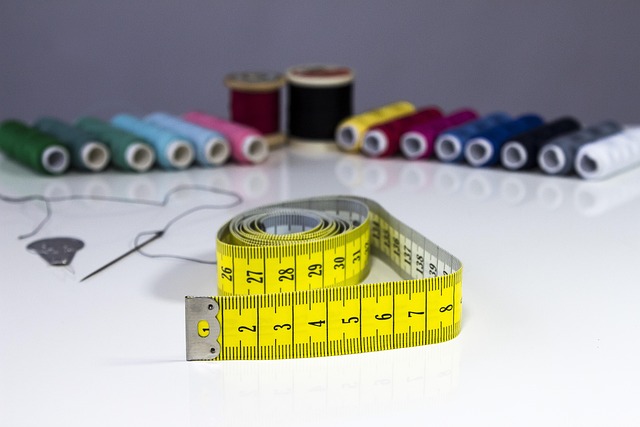
You don’t need much to become a ‘mending master.’ A basic kit should include a variety of needles (sharps for most fabrics, larger darning needles for knits), a few spools of high-quality polyester or cotton thread in neutral colors (black, white, navy, and grey), a small pair of sharp snips, and a ‘seam ripper’—the most important tool for undoing mistakes. Optional but helpful are ‘straight pins’ to hold fabric in place and a bit of ‘fray check’ liquid. This small kit can live in a recycled tin or a small pouch, ready to be pulled out the moment a ‘wardrobe malfunction’ occurs. High-quality thread is worth the extra dollar; cheap thread snaps easily and can ruin a repair.
Mastering the Running Stitch and the Backstitch
The ‘Running Stitch’ is the most basic of all: you simply weave the needle in and out of the fabric in a straight line. It is perfect for temporary fixes or basic hemming. However, for a repair that needs to last—like a split seam under an arm—you need the ‘Backstitch.’ For every stitch you move forward, you bring the needle back to the end of the previous stitch. This creates a continuous, overlapping line of thread that is incredibly strong and mimics the look of a sewing machine. Once you master the backstitch, there is almost no seam you can’t fix. It is the ‘workhorse’ of the hand-sewing world and the foundation of all clothing repair.
The Science of Sewing on a Button
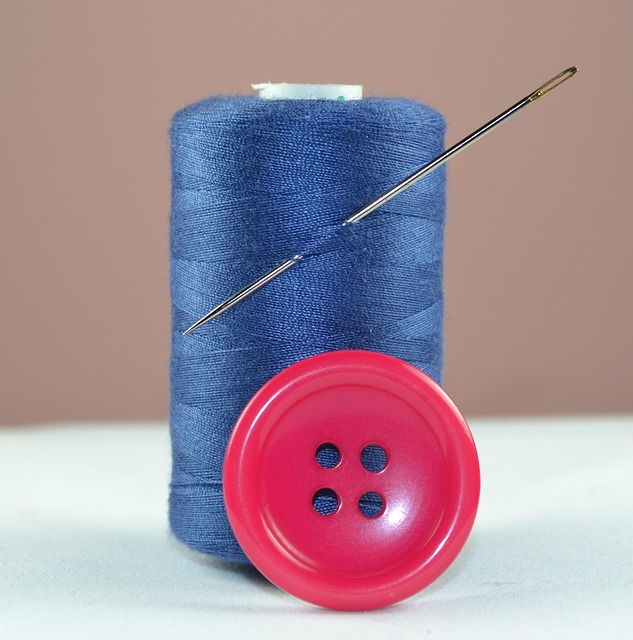
Losing a button shouldn’t mean retiring a shirt. To sew a button correctly, the secret is the ‘shank.’ You don’t want to sew the button flush against the fabric; it needs a little bit of space so it can fit through the buttonhole easily. To do this, place a toothpick or a matchstick between the button and the fabric while you sew. Once you’ve made several passes through the holes, remove the toothpick, pull the button up, and wrap the thread around the ‘stalk’ of threads underneath the button. This creates a sturdy ‘neck’ that prevents the button from popping off again. It’s a simple trick that separates a ‘professional’ repair from a messy one.
Embracing the Beauty of Visible Mending
Sometimes, a hole is too big to hide. Instead of trying to make a perfect, invisible patch, why not make it a feature? ‘Visible mending’—often inspired by the Japanese *Sashiko* tradition—uses contrasting thread and geometric patterns to turn a tear into a piece of art. If your jeans have a hole in the knee, place a piece of scrap fabric (even a fun pattern!) behind the hole and use rows of simple stitches to secure it. This not only reinforces the fabric but adds a unique, handmade character to your clothes that no one else in the world will have. It transforms a ‘ruined’ item into a ‘one-of-a-kind’ masterpiece.
Conclusion: The Quiet Joy of Fixing
Mending is a form of meditation. In our fast-paced, digital world, spending twenty minutes focusing on the path of a needle and thread is a rare opportunity to slow down. It teaches patience, precision, and the value of things. When you fix a garment, you aren’t just saving a piece of fabric; you are reclaiming your agency in a consumerist culture. So, the next time you find a hole in your sock or a loose thread on your blazer, don’t throw it away—fix it. You’ll find that the items you’ve mended often become the ones you love the most. Which item in your closet is waiting for its first repair?