If you’re following your grandfather’s gardening calendar, your plants are probably going to struggle. In 2026, the seasons have shifted. The ‘Old Farmer’s Almanac’ is being rewritten by erratic spring frosts and longer, drier summers. To be a successful gardener this year, you have to be reactive, not just proactive.
Here is my month-by-month breakdown of how to handle a garden in 2026, focusing on resilience and water-wise techniques.
Late Winter (January – February): The Planning Phase
This is when you do your ‘dirt work.’ In 2026, soil health is the priority. Instead of buying chemical fertilizers, focus on ‘no-dig’ methods. Order your seeds now. Look for ‘drought-tolerant’ varieties of your favorite vegetables. If you’re in a northern climate, start your slow-growers like peppers and eggplants indoors under LED lights. The insider trick? Use ‘soil blocks’ instead of plastic trays. They prevent root binding and result in much stronger transplants.

Spring (March – May): The Great Transition
March is now the time for ‘Hardy’ greens. Kale, spinach, and peas can handle the weird late-season cold snaps we’ve been seeing. By April, you should be prepping your ‘Water Harvesting’ systems. 2026 is predicted to be a dry one. Set up your rain barrels now.
May is the danger zone. We’ve been seeing ‘False Springs’ where it gets warm in April and then hits a hard freeze in mid-May. Don’t rush your tomatoes into the ground. Wait until the night temperatures are consistently above 12°C. Your patience will be rewarded with faster-growing plants that aren’t stunted by the cold.
Summer (June – August): Survival Mode
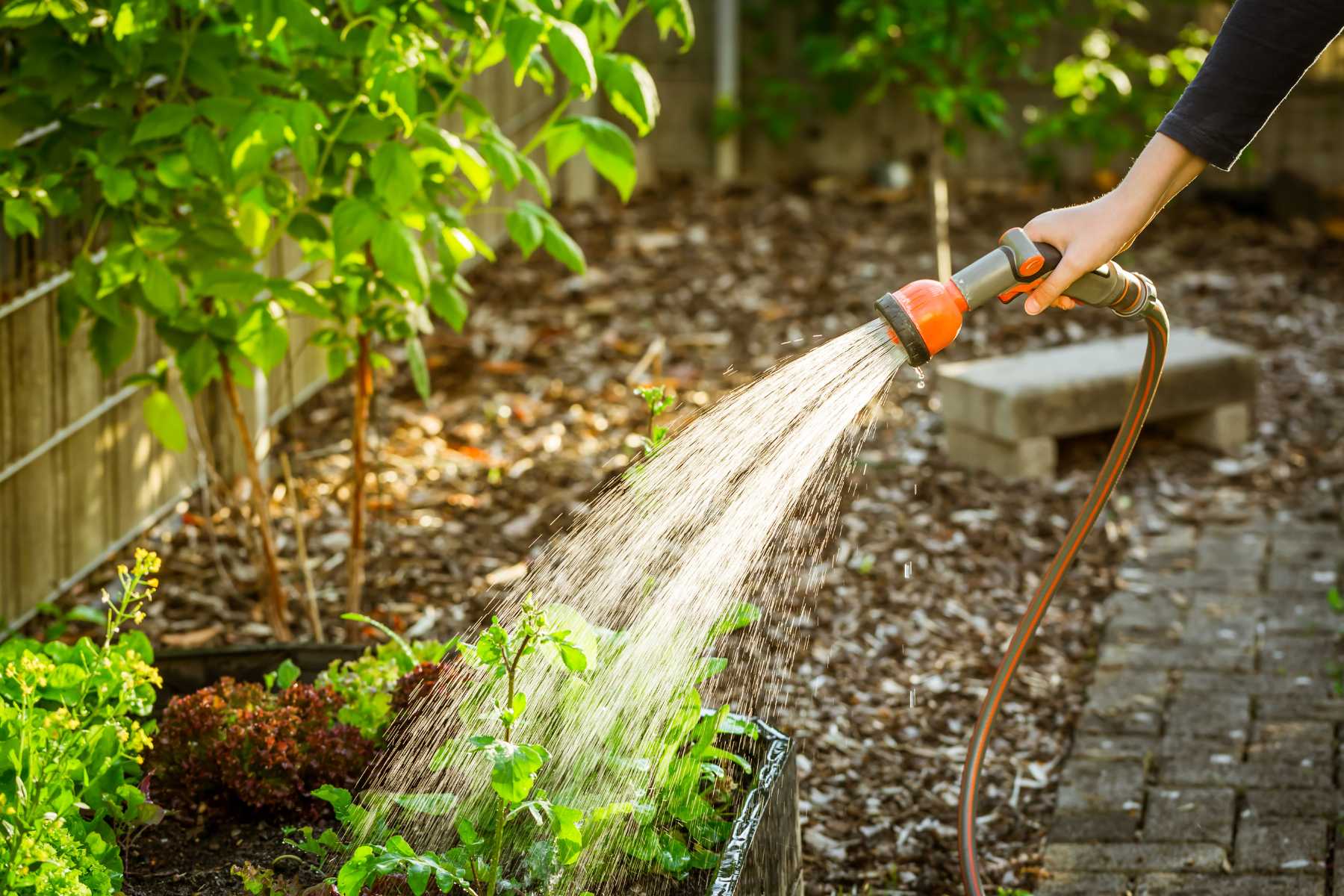
This is where most gardeners fail. In June, mulch everything. I mean *everything.* Use straw, shredded leaves, or even cardboard. Mulch keeps the soil temperature down and prevents water from evaporating. In 2026, ‘Drip Irrigation’ is no longer a luxury; it’s a necessity. It delivers water directly to the roots, saving about 70% compared to a sprinkler.
July and August are about ‘Succession Planting.’ When your spring lettuce bolts in the heat, don’t leave the soil bare. Plant heat-lovers like okra or sweet potatoes. Or, better yet, plant a cover crop like buckwheat to keep the soil alive for the fall.
Fall (September – November): The Second Spring
September in 2026 is basically a second growing season. The heat breaks, but the soil is still warm. This is the perfect time for a second round of carrots, radishes, and brassicas. In October, start planting your garlic for next year. The ‘unspoken rule’ of garlic is: the bigger the clove you plant, the bigger the head you’ll harvest.
Winter (December): Closing the Loop
Don’t ‘clean up’ your garden too much. Leave the dead flower heads for the birds and the hollow stems for the solitary bees. In 2026, we understand that a ‘messy’ garden is a biodiverse garden. Use this time to sharpen your tools and reflect on what worked. Every year is a lesson. The climate is changing, and as gardeners, we are the first ones to see it. Adapt, and your garden will thrive.