The death of the ‘Dumb’ Sprinkler
Let’s be honest: watering your garden used to be a chore of guesswork. You’d stand there with a hose at 7 PM, or worse, you’d have a basic timer that sprayed the pavement while it was actually raining. It was wasteful, expensive, and frankly, primitive.
By 2026, the ‘Dumb’ sprinkler is officially a relic. With water costs rising and localized droughts becoming the norm, a smart irrigation system isn’t just a gadget for tech nerds anymore—it’s the brain of your backyard. We’re moving away from simple scheduling and into the era of **Predictive Plant Hydration.**
The ‘Brain’ of the Garden: AI Controllers
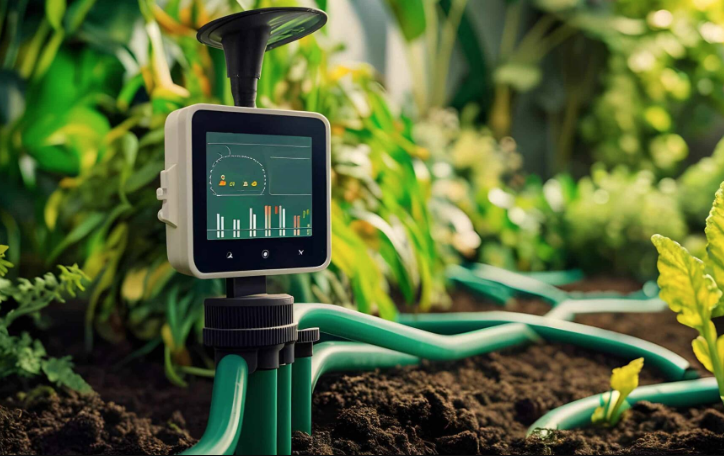
In 2026, the industry leader is the **Neural-Flow Gen 3**. Unlike the smart controllers of five years ago, this doesn’t just check the weather forecast. It uses on-site sensors to measure ‘Evapotranspiration’—the rate at which water leaves your soil and your plants’ leaves.
The ‘insider’ secret here? Most people overwater because they see dry surface soil. But 15cm down, the roots might be drowning. A 2026 smart system uses ultrasonic soil probes that tell the controller: ‘The surface is dry, but the roots are at 80% capacity. Don’t water yet.’ This single insight can save you 50% on your water bill and prevent 90% of common root diseases. It’s not about giving them water; it’s about giving them exactly enough.
Zone Management: The ‘Micro-Climate’ Approach
Your lawn is a water glutton. Your succulents are minimalist. Your tomatoes are somewhere in between. In a traditional system, they all get treated the same. In 2026, we use **Dynamic Zone Mapping.**
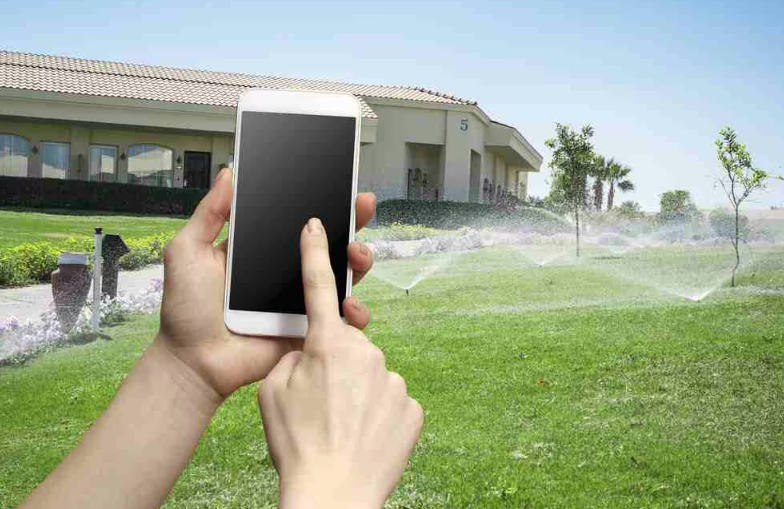
You can now install ‘Smart Valves’ on every individual line. Using an app, you drag and drop icons of what you’ve planted in each area. The AI then creates a custom ‘hydration profile’ for each zone. If Zone 1 has more shade because of your neighbor’s new fence, the system automatically scales back the water there while keeping your sun-drenched peppers in Zone 4 fully hydrated. It’s precision agriculture for the home gardener.
Integration with the 2026 Smart Home
In 2026, your garden shouldn’t be an island. It should talk to your lawnmower and your security system. If your robot mower is out on its morning run, the irrigation system should know to stay off. If your security cameras detect high wind speeds, the system should pivot from high-mist sprays (which just blow away) to low-flow drip irrigation to ensure the water actually hits the dirt.
Summary: The Investment That Pays Back
A high-end smart irrigation system in 2026 will cost you between $400 and $800, but the ROI is undeniable. Between the savings on your utility bill and the fact that you won’t have to replace $200 worth of dead shrubs every spring, the system pays for itself in 18 months. Stop guessing. Let the sensors do the math while you enjoy the greenery.