The ‘Fast Furniture’ Crisis of 2026
We’ve all been there: buying a flat-pack bookshelf because it’s cheap and ‘good enough.’ Three years later, the laminate is peeling, the particle board is sagging, and it’s heading for the curb. In 2026, ‘Fast Furniture’ is increasingly seen as the ‘New Tobacco’—it’s bad for the environment and bad for your health (due to the high VOC glues used in production).
Sustainable home decor in 2026 has moved past the ‘burlap and beige’ aesthetic. It’s now about high-end, tech-integrated, and ethically sourced pieces that are built to be heirlooms, not landfill fodder.
The Material Revolution: Mycelium and Cork
The biggest trend in 2026 is **Bio-Fabrication.** Brands like **MycoHome** are literally growing furniture from mushroom roots (mycelium). It’s fire-resistant, incredibly strong, and 100% compostable. It has a unique, velvety texture that high-end designers are obsessed with.
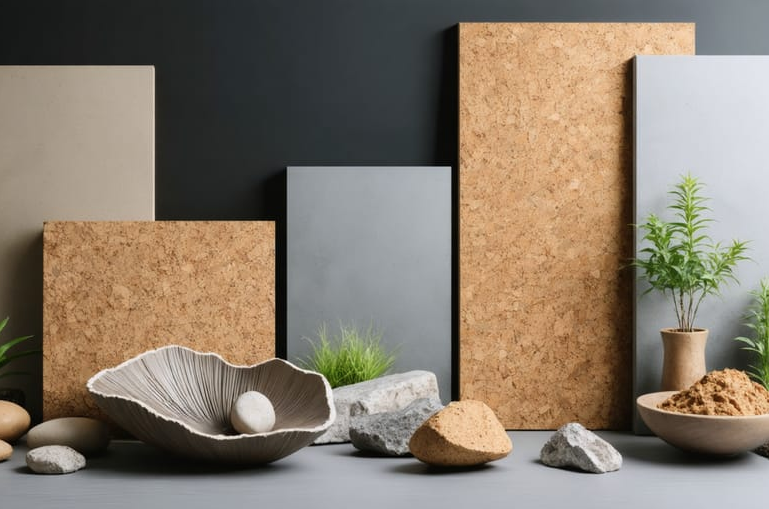
If mushrooms are too ‘out there’ for you, look at the resurgence of **Carbon-Negative Cork.** Brands based in Portugal are now creating stunning, minimalist lighting and wall panels from cork. Cork is one of the most sustainable materials on earth because the tree isn’t cut down; only the bark is harvested, which actually helps the tree absorb *more* CO2. It’s a literal win-win for your living room and the atmosphere.
Transparency as the New Luxury
In 2026, a brand’s ‘Sustainable’ claim means nothing without a **Digital Product Passport (DPP).** The best brands now include a QR code on the back of their items. Scan it, and you can see exactly where the wood was harvested, who sewed the upholstery, and how many miles it traveled to get to you.
Look for brands like **The Citizenry** or **Revive Design**. They don’t just sell products; they sell verified ethical supply chains. If a brand can’t tell you where their cotton was grown, it’s probably not sustainable. True luxury in 2026 is knowing that your armchair didn’t involve child labor or clear-cutting a rainforest.
The ‘Curated Vintage’ Movement
The most sustainable thing you can buy is something that already exists. In 2026, the ‘High-Low’ mix is the gold standard for interior design. This involves pairing a brand-new, eco-tech sofa with vintage mid-century modern side tables.
Sites like **Chairish** and **1stDibs** have made it easier than ever to find ‘pre-loved’ luxury. The ‘insider’ trick is to look for pieces made of solid teak or walnut—these materials actually look *better* with age and can be refinished indefinitely. Buying vintage isn’t just about saving money; it’s about giving your home a ‘soul’ that a showroom floor can’t replicate.
Summary: Designing for Decades
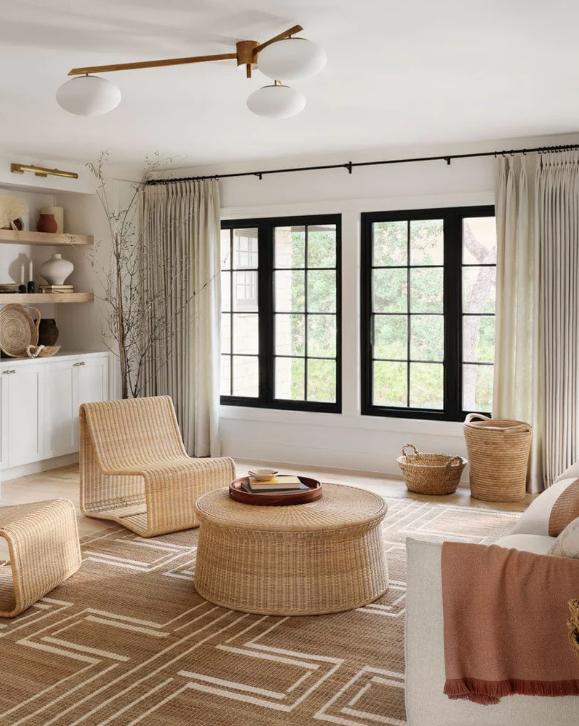
Sustainable decor in 2026 is a rejection of the ‘disposable’ culture. It’s an investment in quality materials, ethical labor, and timeless design. When you buy from a truly sustainable brand, you aren’t just buying a lamp; you’re buying a piece of history that won’t end up in a hole in the ground ten years from now.