Sustainable Travel Tips: Reducing Your Plastic Footprint
Travel is an incredible way to expand our horizons, but it often comes with a hidden cost: the trail of plastic we leave behind. From the tiny water bottles on the airplane to the miniature toiletries in the hotel bathroom, a typical vacation can generate a staggering amount of waste. However, in 2026, ‘Conscious Travel’ has become the new standard. It is no longer enough to just visit a place; we must also protect it. Reducing your plastic use on the road is surprisingly simple once you make a few key swaps and develop a ‘refuse-first’ mindset. Here is how you can explore the world while keeping it as pristine as you found it.
The ‘Solid’ Revolution in Your Toiletry Bag
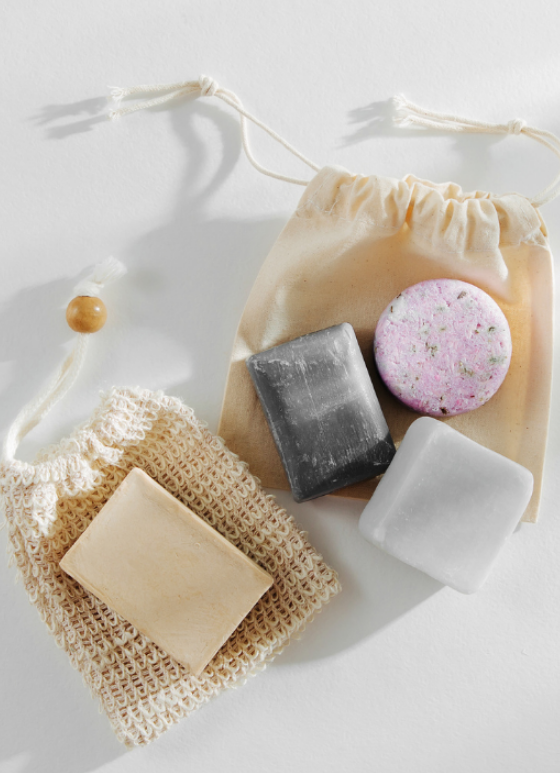
The easiest way to eliminate plastic from your travel routine is to switch to ‘solid’ toiletries. Shampoo bars, conditioner bars, and even solid toothpaste tabs have become incredibly high-performance in recent years. They don’t just eliminate the need for plastic bottles; they also save you from the stress of TSA liquid limits and the mess of a ‘shampoo explosion’ in your suitcase. Many 2026 brands now offer compostable travel tins for these bars, making them the ultimate zero-waste solution. By making this one switch, you could prevent dozens of plastic bottles from entering the landfill every year.
Mastering the Art of Portable Water Filtration
In many parts of the world, tap water isn’t safe to drink, leading travelers to rely heavily on single-use plastic bottles. However, modern technology has provided a better way. Investing in a high-quality water bottle with a built-in filtration system—like the Grayl or LifeStraw—allows you to drink safely from almost any tap or even a river. These filters remove bacteria, viruses, and microplastics, giving you peace of mind and saving you a significant amount of money over the course of a trip. Carrying your own ‘miniature treatment plant’ is the most effective way to be a responsible traveler in developing regions.
The Zero-Waste ‘Snack Kit’ for Long Journeys
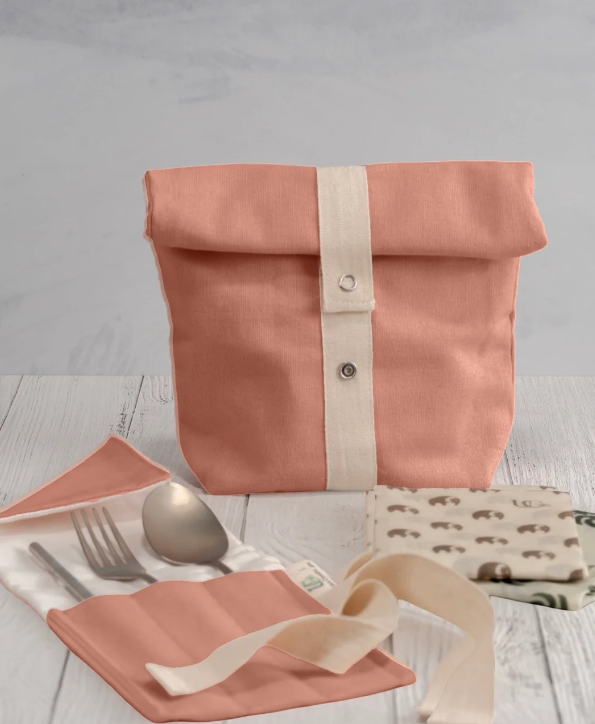
Transit hubs like airports and train stations are notorious for over-packaged food. A simple ‘snack kit’ can help you avoid the wall of plastic-wrapped sandwiches and chips. Carry a set of bamboo cutlery, a collapsible silicone container, and a reusable produce bag. This allows you to buy fresh fruit or bulk snacks at local markets and carry them with you. When you’re on the plane, you can use your own container for the meal service, or simply ‘refuse’ the plastic-wrapped items. It takes a little more planning, but it ensures that your journey is as clean as your destination.
Supporting the ‘Plastic-Free’ Hospitality Movement
Where you choose to stay makes a huge difference. In 2026, many ‘Green Key’ certified hotels have moved away from single-use plastics entirely. They offer large, refillable pump dispensers for soap and lotion and provide glass carafes of filtered water in the rooms instead of plastic bottles. Before you book, check the hotel’s sustainability policy or read recent reviews. By voting with your wallet, you are signaling to the travel industry that plastic-free initiatives are a priority for consumers. This ‘market pressure’ is what will ultimately lead to a cleaner, more sustainable future for global tourism.
Conclusion: Small Changes, Big Impact
Sustainable travel isn’t about being perfect; it’s about being better. Every plastic straw you refuse, every bottle you don’t buy, and every bar of soap you swap adds up to a massive collective impact. When we travel with a light footprint, we preserve the beauty of our planet for the generations of explorers who will follow us. It’s a more mindful, respectful way to see the world, and it often leads to more meaningful interactions with local communities who are also fighting the plastic crisis. So, pack light, pack smart, and let your next trip be a force for good. What is the one plastic swap you are most excited to try?