Van Life for Beginners: Mastering the Small Van Micro-Home
The romanticized image of ‘Van Life’ often features massive, six-figure Sprinter vans, but in 2026, the real movement is happening in the ‘Micro-Van’ sector. Small vans—like the Ford Transit Connect or the VW Caddy—have become the preferred choice for a new generation of nomads who value stealth, fuel economy, and the ability to park in any city center. Converting a small van into a livable space is a masterclass in spatial geometry. It requires you to stop thinking in terms of ‘rooms’ and start thinking in terms of ‘functions.’ In a micro-van, your kitchen is also your desk, and your bed is also your living room. It’s a radical simplification of life that offers a level of freedom a larger vehicle simply can’t match.
The ‘Stealth First’ Design Philosophy
When you’re converting a small van, your greatest asset is anonymity. In 2026, many cities have introduced stricter ‘no-camping’ laws, making ‘Stealth Camping’ a necessary skill. This starts with the exterior: avoid the ‘safari’ look. No roof racks full of gear, no flashy decals. Inside, the focus is on light management. Using custom-cut Blackout Inserts that look like tinted windows from the outside allows you to keep your lights on at night without signaling your presence. We also see a shift toward ‘Modular Pods’—removable kitchen and storage units that can be taken out on weekdays so the van can function as a regular daily driver. This ‘Dual-Use’ capability makes van life accessible to people who aren’t ready to commit to the road 365 days a year.
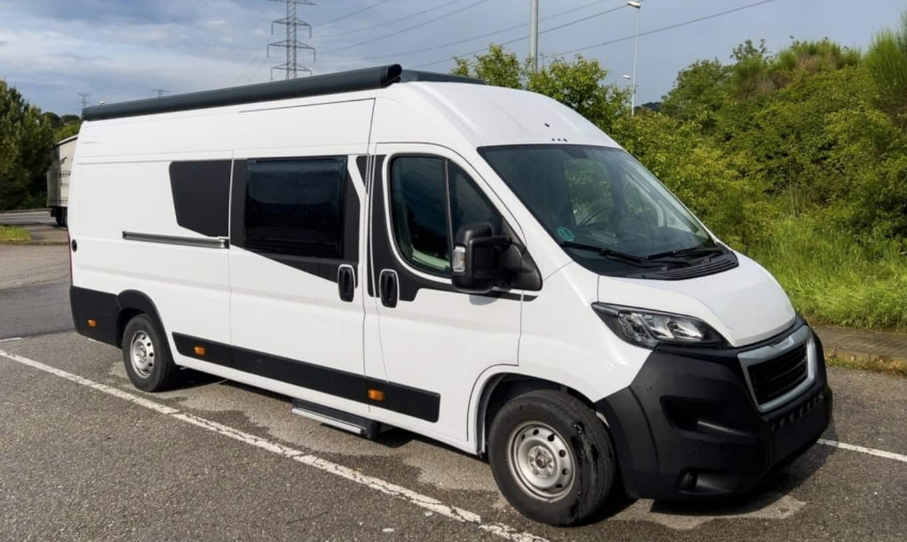
Engineering Comfort in 40 Square Feet
The biggest challenge in a small van isn’t space—it’s climate and moisture. In 2026, the ‘Gold Standard’ for insulation is expanded cork or hemp wool. These materials are not only sustainable but are naturally mold-resistant and provide incredible sound dampening—essential when you’re parked near a highway. For power, the rise of ‘Portable Power Stations’ with integrated MPPT controllers has revolutionized DIY conversions. You no longer need to be an electrician to have a solar-powered home. By plugging a foldable 200W solar panel into a high-capacity lithium battery, you can run an induction cooktop, a 12V fridge, and your Starlink Mini internet without ever drilling a hole in your van’s roof. It’s plug-and-play freedom.
The Reality Check: Living with Less
Let’s be honest: small van life is a trade-off. You won’t have a bathroom, and you’ll be doing a lot of ‘logistics’—finding public showers, managing water jugs, and constantly rearranging your ‘furniture.’ But it is precisely this friction that makes the experience so rewarding. It forces you outside. You spend your evenings in local cafes, your mornings in public parks, and your nights under the stars. The van becomes a basecamp for adventure rather than a cage. In 2026, we’ve realized that the ‘Home’ isn’t the four walls you’re inside; it’s the 360-degree view outside your back door. Are you ready to trade your walk-in closet for a world of open roads? What is the one comfort of ‘stationary’ life you’re most afraid to leave behind?