Common Pet Health Issues and How to Prevent Them: A Proactive Owner’s Guide
As pet owners, our greatest fear is seeing our furry companions in pain. While some health issues are genetic or related to old age, many of the most common ailments are entirely preventable with the right care and attention. Being a ‘proactive’ owner means looking for the small signs of illness before they become emergencies. Prevention is not only kinder to your pet, but it’s also much more affordable than emergency veterinary surgery. This guide covers the most frequent health challenges faced by cats and dogs and provides practical steps to keep them in peak condition.
1. Dental Disease: The Silent Danger
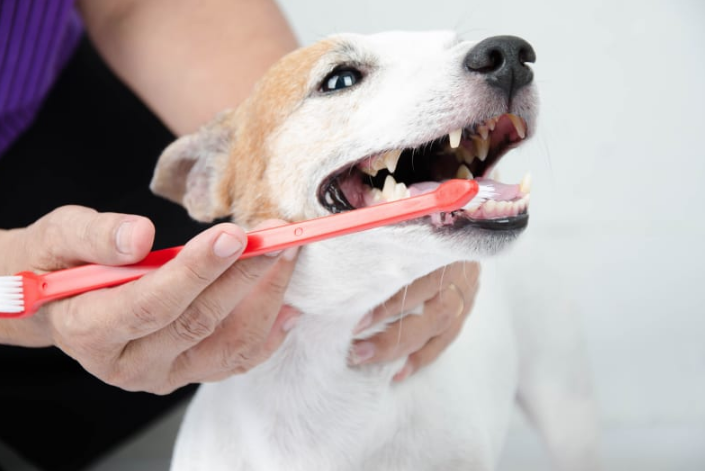
Over 80% of dogs and cats over the age of three have some form of periodontal disease. It’s not just about bad breath; oral bacteria can enter the bloodstream and damage the heart, liver, and kidneys. Prevention is simple: brush your pet’s teeth regularly with pet-safe toothpaste. If brushing is impossible, use dental chews and water additives. A professional dental cleaning once a year can add years to your pet’s life by preventing systemic infections.
2. Obesity: The Modern Epidemic
Obesity is the leading cause of secondary health issues in pets, including diabetes, joint pain, and heart disease. It is often caused by ‘kindness’—too many treats and human food scraps. To prevent obesity, use a measuring cup for every meal to ensure you aren’t overfeeding. Monitor your pet’s ‘waistline’; you should be able to feel their ribs but not see them. Regular exercise, even just a 20-minute daily walk or active play session with a feather toy for cats, is essential for maintaining a healthy weight.
3. Parasite Prevention (Fleas, Ticks, and Worms)
Parasites are more than just a nuisance; they carry dangerous diseases like Lyme disease and heartworm. Many owners only treat for parasites when they see them, but by then, the infestation is already established. Use a year-round preventative medication as recommended by your vet. With climate change, many parasites are active even in the winter. A monthly ‘all-in-one’ spot-on or pill is the most effective way to ensure your pet (and your home) stays pest-free.
4. Ear Infections and Skin Allergies
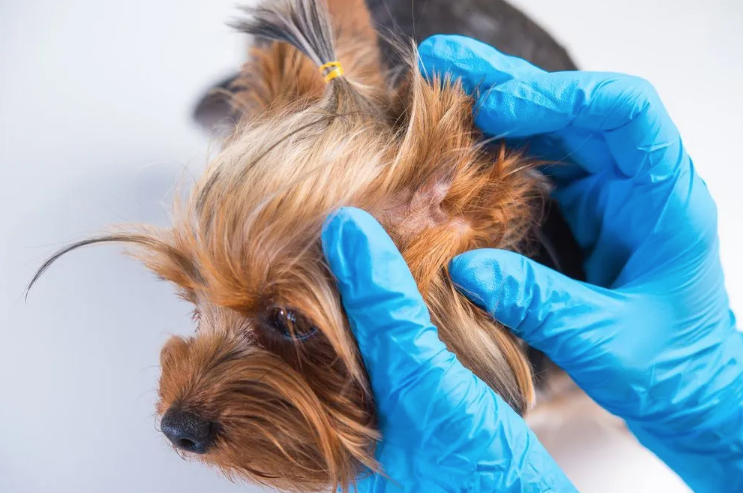
If you see your pet constantly scratching their ears or licking their paws, they likely have an allergy or an infection. This is often caused by environmental triggers (like pollen) or food sensitivities. To prevent ear infections, keep your pet’s ears dry after swimming or bathing. For skin issues, consider a high-quality diet rich in Omega-3 fatty acids, which supports the skin barrier. If symptoms persist, a vet can help identify the specific allergen before it leads to a painful ‘hot spot’ or secondary infection.
5. The Importance of Regular Bloodwork
Animals are experts at hiding pain. Often, by the time a pet ‘looks’ sick, the disease is already advanced. Annual or bi-annual bloodwork is the only way to see what is happening inside their body. It can detect early-stage kidney disease or thyroid issues when they are still manageable with a simple change in diet. Think of bloodwork as a ‘status report’ for your pet’s internal organs. Catching an issue early is the key to successful treatment.
Conclusion: You are Their Best Advocate
Your pet cannot tell you when they have a dull ache or feel slightly ‘off.’ You have to be their voice. By prioritizing dental care, weight management, and regular check-ups, you are giving your pet the best possible chance at a long, healthy life. A little bit of prevention today saves a lot of heartache tomorrow. Keep them active, keep them fed well, and keep them loved.