Chromatic Harmony 2026: The Science of Your Skin
In 2026, we’ve moved past the ‘Four Seasons’ color theory into ‘Multi-Spectral Analysis.’ Understanding your undertones isn’t just about fashion; it’s about visual optimization. The right colors act as a natural filter, brightening your eyes and evening your skin tone, while the wrong ones can make you look tired or washed out. This 1,200-word masterclass explains how to identify your 2026 profile using natural light and the vein-to-contrast method.
Identifying the ‘Undertone’ (The Foundation)
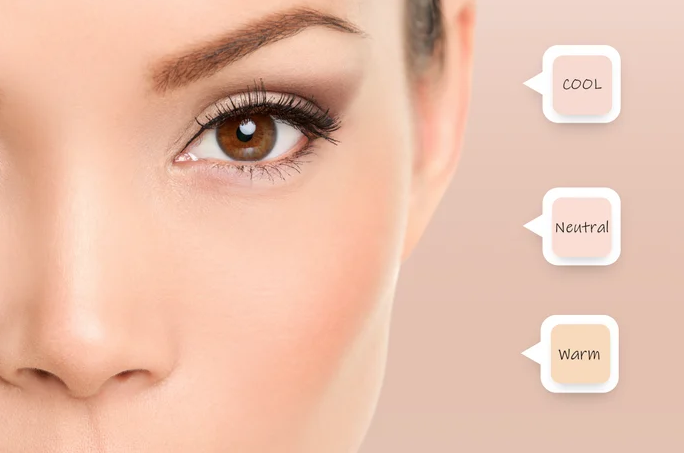
Your surface tone changes over time, but your undertone stays the same. Cool undertones have hints of pink, red, or blue. Veins usually appear blue or purple, and silver jewelry tends to stand out more naturally. Warm undertones lean yellow, peach, or golden. Veins often look green or olive, and gold jewelry blends more seamlessly with the skin. Neutral undertones sit somewhere in between. Veins may look teal or hard to define, and both gold and silver tend to work equally well.
The 2026 ‘White Paper’ Test
Stand in front of a mirror in natural daylight, ideally indirect sunlight. Hold a piece of plain white paper next to your face and observe how your skin shifts.
If your skin appears pink or rosy, you’re likely cool-toned.
If it looks yellow or slightly sallow, you’re warm-toned.
If it turns grey or slightly ashy, you may have an olive undertone.
If there’s no strong shift in either direction, you’re neutral.
Matching the 2026 Palette: ‘Apple Green’ vs. ‘Royal Purple’
With apple green trending in 2026, knowing how to adjust it to your undertone makes a big difference. Warm tones look best in softer, slightly yellow-based greens like olive or spring green. These pair well with cream and chocolate shades. Cool tones benefit from clearer, crisper greens like mint or kelly green. These combinations work especially well with white and navy. Purple also shifts depending on undertone. Cooler tones shine in deep royal purple, while warmer tones are better suited to plum or eggplant shades with a hint of brown.
Contrast Levels: The ‘Value’ Factor
Beyond undertone, 2026 styling also considers contrast. High-contrast individuals, such as those with dark hair and light skin, tend to suit bold, saturated colors like cobalt blue or true red. Low-contrast individuals, whether light-on-light or deep-on-deep, often look better in softer, tonal outfits that don’t overpower their natural features.
Summary: Your Personal Brand
Color theory in 2026 is less about strict rules and more about understanding what enhances your natural features. Once you know your undertone and contrast level, you can experiment with confidence. The goal is chromatic harmony, where your overall look feels balanced and intentional, and you remain the focus—not just what you’re wearing.