Positive Discipline Techniques for Toddlers in 2026
Parenting in 2026 has taken a noticeable shift away from control-based discipline toward approaches that prioritize emotional development, connection, and long-term behavior learning. The focus is no longer on getting immediate obedience, but on helping children understand their emotions and actions in a way that builds trust and resilience over time.
Many parents are moving away from traditional discipline tools like time-outs and punishment-based systems because research has shown that these methods can overwhelm young children rather than teach them. Toddlers, in particular, do not yet have the ability to regulate their emotions independently, which means discipline needs to support them rather than isolate them. This is where modern Positive Discipline Techniques for Toddlers come into play, offering a more balanced and effective approach.
Why Traditional Discipline Is Losing Relevance
In earlier parenting styles, discipline often focused on stopping unwanted behavior as quickly as possible. While this can work in the short term, it doesn’t necessarily teach children why their behavior was inappropriate or how to manage their emotions differently next time.
In 2026, there is a stronger understanding that toddlers act out because they are overwhelmed, tired, frustrated, or seeking connection. Their behavior is communication, not manipulation. When discipline focuses only on punishment, it can create fear or confusion rather than learning.
Modern Positive Discipline Techniques for Toddlers aim to address the root cause of behavior while still maintaining clear and consistent boundaries.
The Two-Choice Method: Encouraging Cooperation
One of the simplest and most effective tools parents use today is the “two-choice” method. Toddlers naturally seek independence, and many behavioral struggles come from feeling controlled or powerless.
Instead of giving direct commands, parents offer structured choices that still lead to the desired outcome. For example, asking whether a child wants to wear blue shoes or red shoes gives them a sense of control while still achieving the goal.
This approach reduces resistance because the child feels involved in the decision-making process. It also helps build confidence and decision-making skills at an early age.

Time-In: Supporting Emotional Regulation
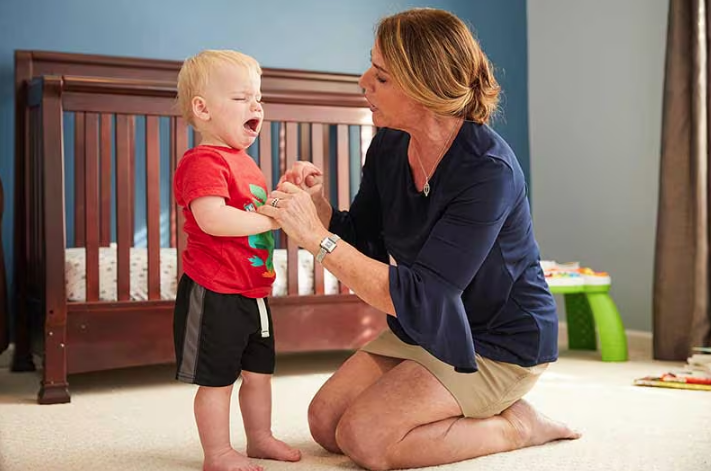
A major shift in Positive Discipline Techniques for Toddlers is replacing time-outs with “time-ins.” Rather than sending a child away during a meltdown, parents stay present and help them work through their emotions.
During these moments, the goal is not to stop the crying immediately but to help the child feel understood and safe. Sitting with them, speaking calmly, and acknowledging their feelings teaches them that emotions are normal and manageable.
For example, instead of isolating a child, a parent might say that they can see the child is upset and that it’s okay to feel that way, while also reinforcing boundaries around behavior. This helps children learn emotional regulation through guidance rather than punishment.
Using Logical Consequences Instead of Punishment
Another important part of modern discipline is replacing unrelated punishments with logical consequences. When consequences are directly connected to the behavior, children are more likely to understand the cause-and-effect relationship.
If a child throws a toy, the toy is removed for a period of time. This teaches responsibility without creating unnecessary fear or confusion. The consequence makes sense within the context of the behavior, which helps reinforce learning.
Unlike older discipline methods, this approach avoids shame and focuses on accountability in a way that toddlers can actually understand.
Staying Consistent Without Being Harsh
Consistency remains one of the most important elements of discipline, even with gentler approaches. Children feel more secure when they know what to expect, and clear boundaries help them understand limits.
However, consistency does not mean being rigid or harsh. It means calmly reinforcing rules while still showing empathy. Parents in 2026 are learning how to balance firmness with kindness, ensuring that children feel supported while still being guided toward appropriate behavior.
Building Long-Term Emotional Skills
The biggest advantage of using Positive Discipline Techniques for Toddlers is that it supports long-term development rather than just short-term behavior correction.
Children raised with these methods tend to develop:
- Better emotional awareness
- Stronger communication skills
- Higher levels of empathy
- Greater confidence in decision-making
These skills become especially important as children grow and face more complex social situations.
Final Thoughts: Building a Foundation of Trust
Discipline in 2026 is no longer about control—it’s about connection, guidance, and teaching. By focusing on emotional intelligence and respectful communication, parents can create a supportive environment where children learn not only what behavior is expected, but why it matters.
Using Positive Discipline Techniques for Toddlers, families can move away from power struggles and toward cooperation, making everyday parenting feel less stressful and far more meaningful.