Budget-Friendly Solo Travel in Asia: The 2026 Slow-Travel Guide
Solo travel in Asia has changed dramatically over the past few years. What was once centered around crowded backpacker routes and party-heavy destinations has shifted toward something slower, more intentional, and far more sustainable. In 2026, travelers are focusing on deeper local experiences, secondary cities, flexible remote work lifestyles, and affordable long-term travel rather than rushed itineraries.
This evolution has made Budget-Friendly Solo Travel more accessible than ever. Expanded rail networks, digital payment systems, affordable eco-accommodation, and strong remote-work infrastructure now allow travelers to explore Southeast Asia comfortably without spending a fortune.
For many travelers, the goal is no longer simply “seeing places.” It’s living temporarily within them.
Thailand Beyond the Tourist Hotspots
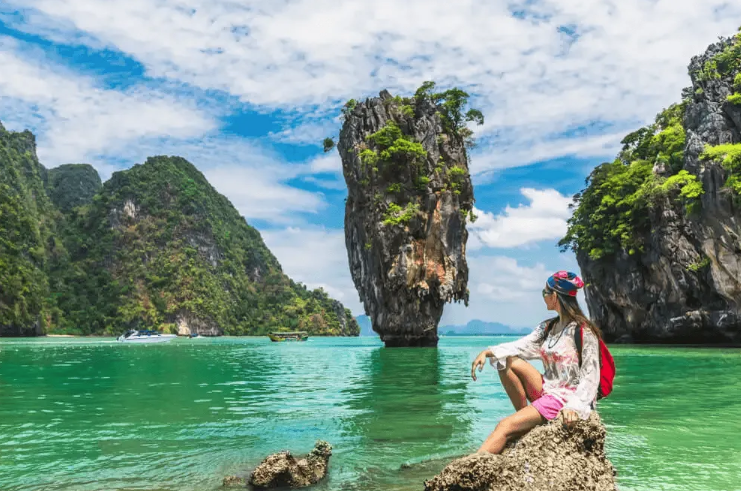
Thailand remains one of the strongest destinations for Budget-Friendly Solo Travel, but experienced travelers in 2026 are increasingly avoiding overcrowded tourist zones like Phuket and central Bangkok. Instead, smaller northern provinces such as Nan and Loei have become popular for their slower pace, lower prices, and more authentic atmosphere.
One of the biggest developments is the expansion of regional high-speed rail connections, which now make inland travel significantly cheaper than domestic flights. Travelers can move between cities comfortably while avoiding baggage fees and airport transfers altogether.
Food continues to be one of Thailand’s biggest advantages for budget-conscious travelers. Night markets offer fresh local meals for only a few euros, and many stalls now participate in updated food-safety certification programs that help travelers identify reliable vendors more easily.
Accommodation has also evolved. Modern “flashpacker” hostels blend the affordability of traditional backpacker lodging with more privacy-focused designs, including capsule-style sleeping pods, coworking spaces, and wellness areas that appeal to solo travelers who want both social interaction and personal space.
Vietnam’s Exceptional Value for Long-Term Travel
Among all destinations for Budget-Friendly Solo Travel, Vietnam continues to deliver some of the best overall value. Daily expenses remain low, transportation infrastructure keeps improving, and the variety of landscapes makes extended travel feel constantly fresh.
The northern regions, especially around Ha Giang, have become major highlights for independent travelers. Instead of joining large tour groups, many solo travelers now rent electric motorbikes to complete scenic mountain loops at their own pace. This creates a slower, more immersive experience while keeping transportation costs relatively low.
In larger cities like Hanoi and Ho Chi Minh City, app-based transportation services have simplified daily logistics significantly. Affordable scooter taxis and digital payments reduce the friction that once made navigating busy urban environments stressful for first-time travelers.
Vietnam also stands out because it balances affordability with strong café culture, reliable internet access, and excellent food quality. This combination makes it particularly attractive for digital nomads and long-term solo travelers trying to maintain a flexible lifestyle while staying within budget.
Bali’s Shift Toward the East Coast
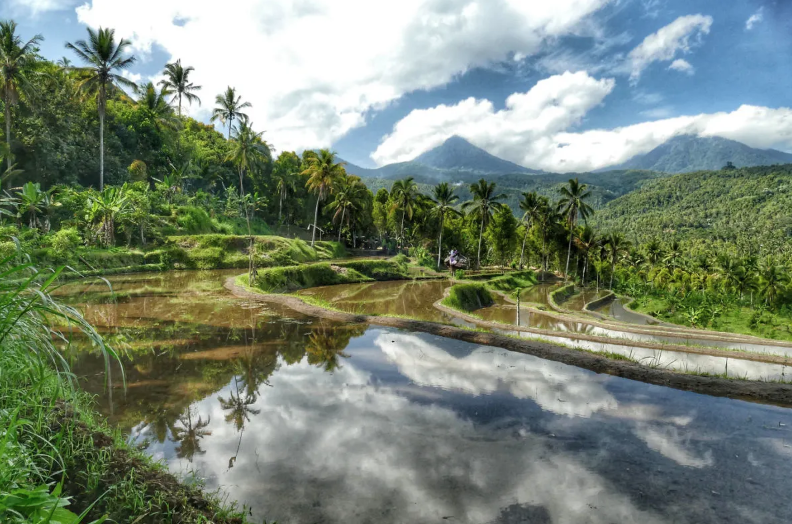
Bali still remains one of the most recognizable destinations for solo travelers, but in 2026 the island has split into two distinct experiences. Areas like Canggu and central Ubud have become heavily commercialized digital nomad hubs, while quieter eastern regions such as Amed and Sidemen offer a slower and far more affordable alternative.
For travelers interested in Budget-Friendly Solo Travel, these smaller regions provide a better balance between cost, scenery, and authenticity. Bamboo eco-huts, guesthouses overlooking rice terraces, and locally owned cafés remain surprisingly affordable compared to Bali’s western hotspots.
Infrastructure has improved dramatically across the island as well. Reliable high-speed internet is now common even in quieter villages, allowing remote workers and content creators to stay connected without sacrificing a peaceful environment.
Solo safety remains one of Bali’s strongest advantages, especially for first-time travelers. However, experienced travelers in 2026 increasingly prioritize digital security too, often using VPN services when connecting to public networks in busy tourist zones.
How Slow Travel Saves Money
One of the biggest misconceptions about solo travel is that constantly moving equals freedom. In reality, slow travel is often significantly cheaper.
Staying longer in one location reduces transportation costs, allows access to discounted monthly accommodation rates, and creates opportunities to build routines around local pricing rather than tourist pricing. Travelers who remain in one place for several weeks usually spend less overall than those changing cities every few days.
A few strategies that consistently support Budget-Friendly Solo Travel include:
- Using regional rail instead of short-haul flights
- Staying in locally owned guesthouses instead of international hotels
- Eating primarily at local markets and neighborhood cafés
- Traveling during shoulder seasons rather than peak months
These small adjustments collectively make long-term travel far more sustainable financially.
Final Thoughts: The 2026 Solo Itinerary
The modern era of Budget-Friendly Solo Travel is less about rushing through bucket-list destinations and more about creating flexible, meaningful experiences. Southeast Asia remains one of the best regions in the world for this style of travel because it combines affordability with strong infrastructure, incredible food culture, welcoming communities, and growing transportation networks.
In 2026, solo travel no longer feels like escape—it feels like lifestyle design. Travelers are prioritizing slower schedules, deeper cultural integration, and experiences that feel personal rather than performative.
Whether you’re exploring mountain roads in Vietnam, quiet villages in northern Thailand, or rice terraces in eastern Bali, the most valuable part of the journey often becomes the freedom to move slowly.