The 2026 ‘Clean Scents’ Movement: Why Soy Wins
In 2026, the ‘Artisan Home’ movement is no longer just about beautiful décor or curated furniture pieces. It is about creating healthier, calmer environments that actively support well-being, and that shift has completely transformed the candle industry. Traditional paraffin candles, once considered standard, are now being replaced by Natural Soy Wax alternatives that burn cleaner, last longer, and align with the sustainability-first mindset that defines modern living. Across design studios, wellness cafés, and minimalist apartments, DIY Natural Soy Candles have become one of the most popular slow-living projects because they combine craftsmanship, aromatherapy, and eco-conscious design into a single experience.
What makes soy wax so appealing in 2026 is not only its renewable plant-based origin, but also the overall sensory quality it creates inside a home. Soy wax burns significantly slower than petroleum-based waxes, produces minimal soot, and allows fragrances to smell softer and more layered rather than aggressively artificial. The result is a candle that feels luxurious without overwhelming a room. This 2026 masterclass explores the modern ‘Temperature-Precision’ method used by boutique candle makers to create professional-quality lavender candles with strong scent throw, smooth tops, and elegant botanical finishes.
Understanding the Science Behind DIY Natural Soy Candles
One of the biggest mistakes beginners make when crafting DIY Natural Soy Candles is treating candle-making like a simple craft instead of a temperature-sensitive process. In 2026, candle makers focus heavily on the relationship between wax structure and fragrance performance because the temperature at which oils are added dramatically changes how a candle smells after curing.
This is where the concepts of ‘Cold Throw’ and ‘Hot Throw’ become important. Cold throw refers to the fragrance you smell when the candle is unlit, while hot throw describes how the scent performs once the wax begins melting. Achieving both requires precise timing and patience.
The modern 2026 process looks like this:
- Melt soy wax slowly until it reaches approximately 85°C.
- Allow the wax to cool to around 70°C before adding fragrance oils.
- Stir consistently for two full minutes to fully bind the oils to the wax molecules.
Adding essential oils too early causes the aromatic compounds to evaporate before the candle even cures, which is why many homemade candles end up smelling weak despite using expensive oils. In 2026, artisan makers prioritize controlled cooling because fragrance preservation is considered the difference between a casual DIY project and a boutique-quality candle.
Choosing the Right Wax, Wick, and Vessel
The quality of your materials determines whether your candle burns evenly or tunnels down the center after one use. For DIY Natural Soy Candles, 2026 makers overwhelmingly prefer 100% natural soy flakes with no paraffin blends because they produce a smoother finish and a cleaner burn profile.
The wick selection matters just as much as the wax itself. Cotton and hemp-core wicks remain the safest options for consistent flames, but the standout trend in 2026 is still the wooden wick. Wooden wicks create a soft crackling sound similar to a fireplace, instantly adding warmth and atmosphere to a space. They also generate a wider melt pool, which helps distribute fragrance more evenly throughout the room.
When selecting containers, minimalist aesthetics dominate the 2026 market. Matte ceramic jars, amber glass vessels, and frosted neutral-toned containers have largely replaced colorful decorative tins. Most artisan candle makers now lean toward reusable vessels that can later become planters, desk organizers, or storage jars once the candle has finished burning.
A few essential materials for a professional setup include:
- Natural soy wax flakes
- Lavender essential oil
- Wooden or cotton-core wick
- Heat-safe glass or ceramic jar
- Wick stabilizer or centering tool
Keeping the setup simple allows the scent and craftsmanship to remain the focal point of the candle itself.
The 2026 Lavender Candle Formula
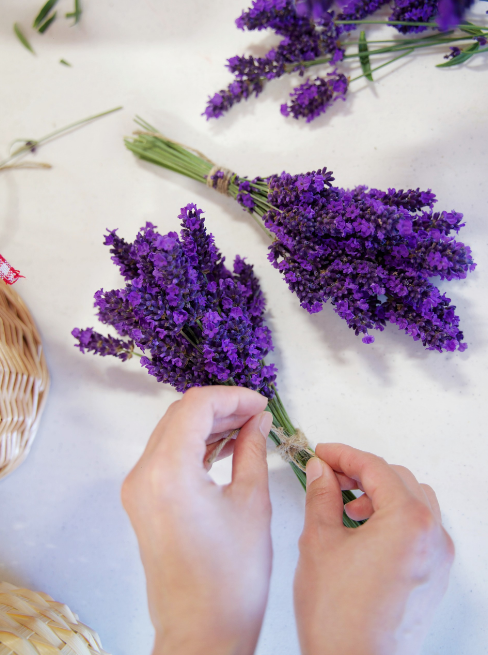
Lavender continues to dominate wellness interiors because of its connection to relaxation and nervous-system regulation. In 2026, however, the trend has shifted away from overpowering floral lavender blends toward softer combinations with earthy undertones such as cedarwood, bergamot, or sandalwood.
To create a balanced lavender candle, modern makers focus on layering rather than intensity. Instead of creating a sharp perfume-like fragrance, the goal is to create what designers now call an ‘Atmospheric Scent.’ These are fragrances that subtly shape the emotional tone of a room rather than aggressively announcing themselves.
For a medium-sized candle, the ideal fragrance load in 2026 is generally between 8–10% of the wax weight. This creates enough scent projection without oversaturating the wax, which can lead to sweating, uneven burning, or frosting.
The most common modern scent pairings include:
- Lavender + Bergamot for a bright spa-like aroma
- Lavender + Sandalwood for warmth and depth
- Lavender + Sage for a clean botanical profile
These combinations fit perfectly within the broader 2026 ‘Earth-Tone Living’ trend that emphasizes calm, grounded sensory experiences.
The Botanical Styling Trend
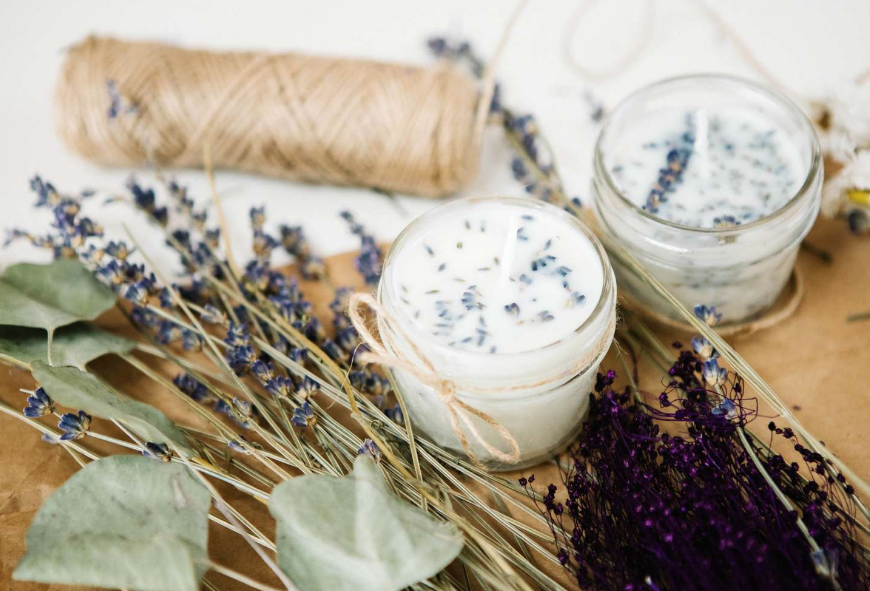
One of the defining aesthetics of DIY Natural Soy Candles in 2026 is the use of dried flowers and natural inclusions. However, experienced candle makers now approach botanical decoration with much more caution because improperly placed flowers can become fire hazards once exposed to the flame.
The safest and most visually appealing method involves waiting until the wax cools to a soft slushy consistency before carefully placing dried lavender buds or rose petals along the outer edges of the vessel. This keeps the decorative elements away from the wick while still allowing them to remain visible through the translucent soy wax.
Modern makers also favor restraint over overcrowding. In 2026, minimal botanical placement is considered far more elegant than heavily packed decorative surfaces. A few thoughtfully positioned lavender stems or chamomile petals create a refined look that aligns with contemporary wellness design trends.
Why DIY Natural Soy Candles Fit the 2026 Lifestyle
The popularity of DIY Natural Soy Candles reflects a much larger cultural shift happening in 2026. People are actively searching for slower, more tactile hobbies that reduce screen fatigue and reconnect them with physical craftsmanship. Candle-making has become part of the broader ‘Mindful Maker’ movement because it combines creativity with ritual and sensory calm.
Unlike mass-produced candles filled with synthetic fragrance blends, homemade soy candles allow full control over ingredients, scent strength, and aesthetic style. They also transform ordinary routines into intentional experiences. Lighting a candle made with your own hands creates a different emotional connection than purchasing one from a shelf.
For many people in 2026, the process itself has become just as important as the finished result. Measuring temperatures, stirring oils, trimming wicks, and curing the candles for several days all contribute to the feeling of slowing down in an increasingly overstimulated world.
Final Thoughts: A Slower Way of Living
The modern candle is no longer just décor; it is part of a home’s emotional atmosphere. In 2026, DIY Natural Soy Candles represent a cleaner, slower, and more intentional approach to everyday living. By understanding wax temperatures, fragrance binding, wick selection, and safe botanical placement, you can create candles that rival high-end boutique products while filling your home with comforting, natural scent.
Whether you prefer calming lavender, earthy sandalwood, or bright citrus blends, mastering the art of soy candle making gives you complete control over the environment you create around yourself. The beauty of the process lies not only in the finished candle, but in the quiet ritual of making something designed to bring warmth, stillness, and light into your space.