The 2026 Rose Garden: Precision for Production
Pruning roses in 2026 has become far more strategic than simply trimming back overgrown branches. Modern gardeners now treat pruning as a combination of plant science, disease prevention, and bloom optimization. Every cut influences how the rose grows, where it directs its energy, and how resistant it becomes to common diseases.
At the center of this approach is understanding apical dominance—the plant’s natural tendency to direct energy toward its tallest growing points. Strategic pruning interrupts that pattern and encourages the rose to push out stronger lateral growth, which often leads to healthier stems and more abundant blooms.
At the same time, climate changes have made disease prevention more important than ever. Increased humidity and unpredictable temperature shifts have created ideal conditions for fungal issues like black spot and powdery mildew. That’s why pruning in 2026 is just as much about airflow as it is about appearance.
The ‘Three-D’ Rule
Before shaping the rose, every gardener should begin with what professionals call the Three-D rule: remove anything that is dead, damaged, or diseased. Dead canes are usually brown, brittle, and show no green tissue when lightly scratched. These stems won’t recover and only drain energy from the plant. Damaged stems may have cracks, winter frost damage, or physical breaks caused by wind. These weak areas often become vulnerable entry points for pests and infections. Diseased stems need immediate removal. Black spots, cankers, discoloration, or unusual growth patterns can indicate fungal or bacterial problems that should not be ignored.
One of the biggest updates in 2026 is tool sanitation. Gardeners are strongly encouraged to clean pruning shears with 70 percent isopropyl alcohol between each plant. This helps prevent the spread of diseases like rose rosette disease, which has become a growing concern in many regions.
Skipping this sanitation step can accidentally spread pathogens from one healthy plant to another.
Creating the ‘Vase’ Shape
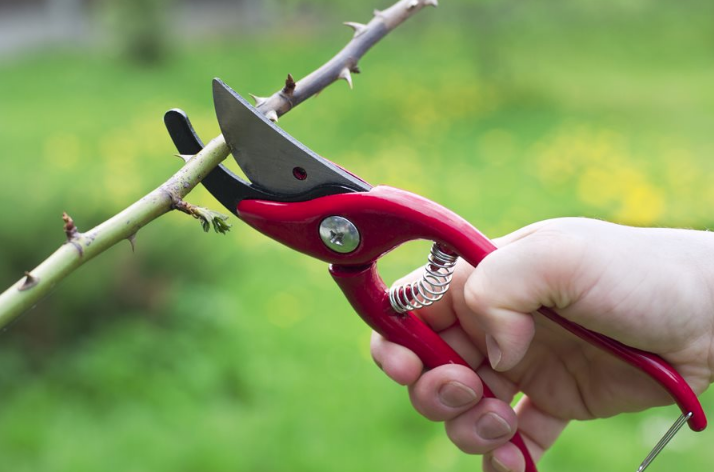
Once unhealthy growth has been removed, the next goal is creating the ideal structure. The preferred shape for most rose varieties is an open center, often described as a vase shape. This allows sunlight to reach deeper into the plant while improving airflow throughout the branches. Good airflow is one of the best defenses against fungal infections. Moisture trapped in crowded stems creates ideal conditions for disease, especially during rainy seasons.
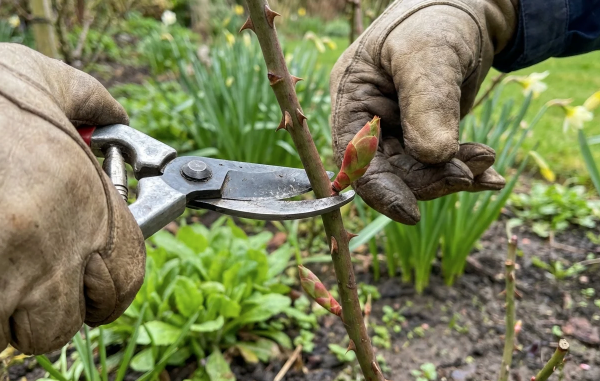
When making cuts, aim to prune about a quarter inch above an outward-facing bud. Always cut at a 45-degree angle that slopes away from the bud. This helps rainwater run off rather than collect around new growth points. Crossing branches should also be removed. When stems rub against each other, they create wounds that can attract pests and disease. Removing inward-growing canes helps maintain the open shape and keeps future growth moving outward instead of crowding the center.
Timing the ‘Sleep Cycle’
Timing has become more complicated in recent years because seasonal patterns are less predictable. Instead of relying on calendar dates alone, many gardeners in 2026 use biological indicators to determine when pruning should happen. One of the most reliable signals is the blooming of forsythia bushes. When forsythia begins flowering, it usually means the soil is warming and the rose is beginning to wake from dormancy.
This is often the ideal pruning window because the plant hasn’t fully pushed new leaf growth yet. Pruning too early can expose fresh cuts to frost damage. Pruning too late can waste energy because the plant may have already invested resources into growth that will be removed.
Watching your local climate and plant signals is now considered more reliable than following a fixed schedule.
Feeding Roses After Pruning
A growing trend in 2026 is pairing pruning with proper post-pruning nutrition. After pruning, roses benefit from a balanced fertilizer that supports new cane growth and bloom production. Many gardeners prefer slow-release organic fertilizers because they provide nutrients gradually without overwhelming the plant.
Adding compost around the base also improves soil health and supports beneficial microbes. Mulching is another important step. A fresh layer of mulch helps regulate soil temperature, retain moisture, and reduce weed competition during the growing season.
Natural Pest Prevention
Pruning alone won’t protect roses from every problem, which is why companion planting has gained popularity. Plants like garlic, onions, marigolds, lavender, and chives are often placed near roses to naturally deter pests.
These companion plants can help confuse insects that rely on scent to locate roses while also attracting beneficial pollinators and predatory insects. This creates a healthier garden ecosystem without relying heavily on chemical sprays.
Summary: Growing Smarter Roses
Rose pruning in 2026 is about precision, patience, and prevention. Every cut should serve a purpose—whether that means improving airflow, encouraging stronger blooms, or protecting the plant from disease.
By following the Three-D rule, creating an open center, timing cuts carefully, and supporting roses with proper aftercare, gardeners can produce healthier plants with longer blooming seasons. Modern rose gardening isn’t about cutting aggressively—it’s about understanding how the plant grows and working with its natural systems to produce better results year after year.