The 2026 ‘Force-Free’ Standard: Beyond the Pull
In 2026, the old “alpha” training myths have been left behind in favor of force-free, agency-based training. Walking on a leash is no longer about control—it’s about building communication and trust between you and your puppy. This guide focuses on using a Y-front harness and positive reinforcement to turn every walk into a calm, confidence-building experience.
The Gear: Why the Harness Wins in 2026
Modern puppy training avoids aversive tools like choke chains or prong collars because they can create fear, discomfort, and negative associations with walking.
The 2026 Choice: A no-pull Y-front harness. Unlike harnesses that run straight across the chest, the Y-front design allows the shoulders to move naturally, giving the puppy a full range of motion while reducing strain on the neck.
Fit matters just as much as design. You should be able to fit two fingers under each strap. A harness that is too tight can create discomfort and stress, making the puppy more anxious or reactive.
The ‘Choice-Point’ Method
Instead of correcting pulling with leash pressure, the focus is on teaching the puppy that loose leash walking leads to rewards. When the puppy reaches the end of the leash, stop moving. Don’t pull back or give verbal corrections. Wait for the puppy to make the choice to turn back or check in with you.
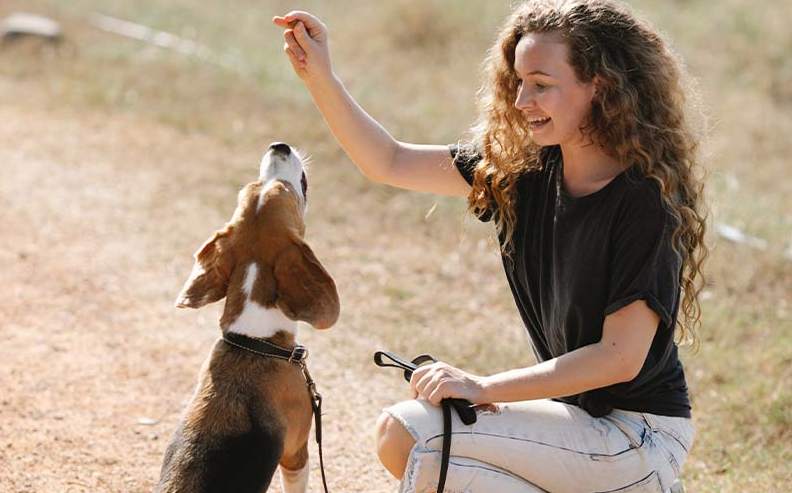
The Reward: As soon as the puppy looks back, reward with a high-value treat and continue walking. This teaches the puppy that staying connected to you is what makes the walk continue.
Over time, the puppy learns that “loose leash equals freedom,” which creates better habits without stress.
‘Sniffaris’ vs. ‘Target Walks’
Not every walk has the same purpose, and modern training recognizes two important types of outings.
The Sniffari: This is a decompression walk where the puppy is allowed to explore and sniff freely on a loose leash. Sniffing provides mental stimulation, reduces stress, and helps satisfy natural curiosity.
The Target Walk: This is for times when you need to move with purpose. Keep the puppy close to your side and reward often for staying near you. Frequent reinforcement helps the puppy understand the expected pace and position.
Balancing both types of walks creates a healthier routine by meeting both mental and practical needs.
Managing ‘Reactive’ Moments
If your puppy reacts to another dog, a bike, or a sudden distraction, avoid punishment or scolding. Instead, use the “Look at That” method. The moment your puppy notices the trigger, mark it with a clicker or a verbal cue like “yes,” then reward immediately before the barking or lunging begins. This helps the puppy form a new emotional response: noticing something exciting or concerning predicts something positive. Over time, this reduces reactivity and builds confidence.
Summary: A Partnership, Not a Parade
Leash training in 2026 is about patience, clarity, and trust. By using a Y-front harness, rewarding check-ins, and allowing your puppy to explore the world safely, you’re building more than walking skills—you’re building a strong relationship.
The goal isn’t a perfectly controlled walk. The goal is a puppy that feels secure, engaged, and happy to walk beside you.